
I absolutely love sharing this Beef Rice Noodles Recipe with anyone looking for a satisfying, flavorful meal that's quick to prepare yet feels so special. The tender beef combined with silky flat rice noodles and vibrant Asian greens creates a harmony of textures and tastes that always hits the spot for me. Whether I’m cooking for a cozy dinner or impressing friends with a simple but elegant dish, this recipe delivers every time.
Why You'll Love This Beef Rice Noodles Recipe
From the first time I made this Beef Rice Noodles Recipe, I was hooked by its rich layers of flavor that balance perfectly — savory soy, the sweetness of oyster sauce, a subtle warmth from freshly minced garlic, and a light touch of sugar to meld everything together. The beef is incredibly tender thanks to the clever use of baking soda, and the noodles soak up all that luscious sauce brilliantly. Each bite feels like an embrace of comforting yet exciting tastes.
One of the best things about this recipe is how straightforward it is. I always appreciate a dish that doesn’t require hours or complicated steps, but still feels authentic and restaurant-worthy. The ingredients are easy to find and the process flows smoothly: tenderize the beef, stir-fry with fresh veggies, then toss with perfectly cooked rice noodles and a flavorful sauce. Even on busy weeknights, I find this recipe satisfying and stress-free to prepare.
I also love how versatile this dish is. It’s great for casual dinners at home, but I’d equally serve it at a small party or a special weekend lunch. Its inviting aroma alone sparks appetite and warmth in any setting. What really makes this Beef Rice Noodles Recipe stand out for me is the way every element — from beef to baby bok choy — shines without overpowering one another, creating a vibrant, balanced bowl of deliciousness.
Ingredients You'll Need
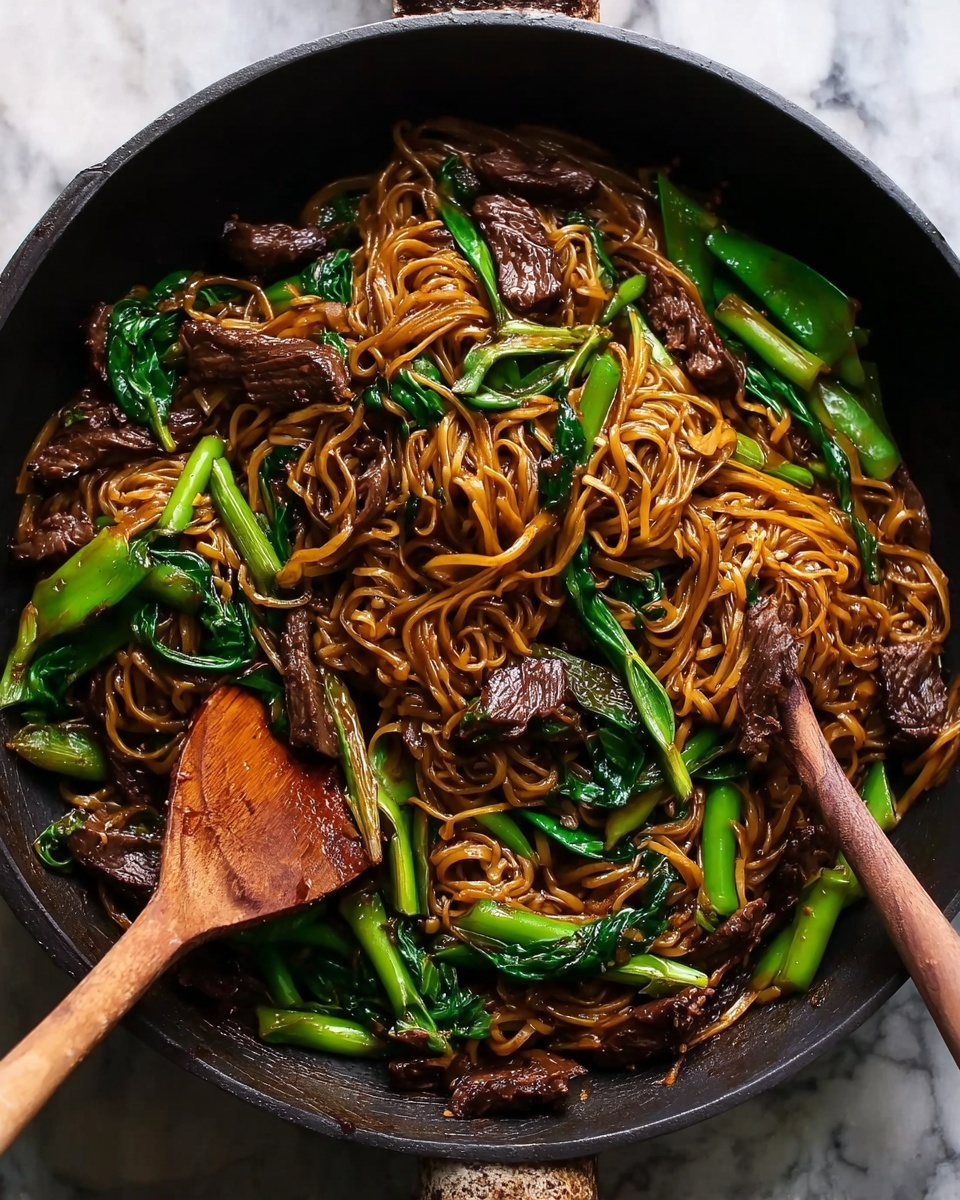
Getting this dish on your table is all about fresh, simple ingredients that work together to create a sensational taste experience. Each component adds something special, whether it’s texture, color, or punch of flavor that brings this comforting recipe alive.
TIP : You'll find the full list of ingredients and measurements in the recipe card below
- Rump steak or top sirloin: Thinly sliced for fast, even cooking and tenderness.
- Baking soda: Key to tenderizing the beef quickly without altering flavor.
- Light soy sauce: Adds mild salty umami and depth to the beef and sauce.
- Peanut or neutral oil: Great for high-heat stir-frying without overpowering taste.
- Flat rice noodles (Pad Thai thickness): Soft and slightly chewy noodles that soak up the sauce beautifully.
- Garlic: Freshly minced to infuse aroma and bright flavor throughout.
- Onion: Adds mild sweetness and crunch when quickly stir-fried.
- Baby bok choy or Chinese broccoli: Provides freshness and vibrant green color with pleasing bite.
- Dark soy sauce: Brings a rich, deep color and slightly sweet, intense flavor to the sauce.
- Oyster sauce: Creates a luscious, savory base with a touch of sweetness (vegetarian option works too).
- White sugar (or honey/maple): Balances savory notes and rounds out the sauce complexity.
- White pepper or chili flakes: Adds a subtle heat and warms the palate gently.
- Water: Helps loosen the sauce for perfect coating consistency.
Directions
Step 1: Start by tenderizing the beef to ensure it stays juicy and soft. Sprinkle the baking soda over the beef slices and toss them gently with your fingertips to coat all pieces well. Let them rest for 20 minutes. This simple step works wonders for texture.
Step 2: After 20 minutes, rinse the beef in a colander under cool water to remove excess baking soda. Shake off the water and pat the slices dry with a paper towel loosely — it doesn't have to be perfect. Toss the beef with the light soy sauce, then set aside while you prep other ingredients.
Step 3: Prepare the sauce by mixing light soy sauce, dark soy sauce, oyster sauce, sugar, white pepper, and water in a small bowl. Stir until the sugar dissolves and set this flavorful blend aside for when you begin cooking.
Step 4: Soak the rice noodles according to the package instructions—usually around 5 to 10 minutes in boiling water. Once softened, drain and rinse under cool tap water to remove any excess starch which prevents sticking and keeps the noodles from becoming mushy.
Step 5: Heat your wok or large skillet over high heat. When hot, add the oil. Toss in the sliced onions and cook for about 30 seconds until just softened but still bright. Then add the beef slices and stir-fry rapidly until mostly cooked — about 1 minute, until the red color fades.
Step 6: Add the minced garlic to the pan and continue stir-frying for another 30 seconds, releasing that intoxicating aroma. Next, add the stems of your Asian greens, tossing everything together for 1 minute to get them slightly tender but still crisp.
Step 7: Add the leafy parts of the greens, followed by the drained noodles, then pour the prepared sauce over everything. Toss vigorously for 1 ½ to 2 minutes until the noodles are fully coated and the sauce has nearly evaporated from the pan floor. Serve immediately while it’s hot and fragrant!
Servings and Timing
This Beef Rice Noodles Recipe makes about 2 hearty servings — perfect for a satisfying meal for two or generous portions for one hungry person with leftovers. Prep time usually takes around 10 minutes, mostly the beef tenderizing requires 20 minutes of hands-off time. Cooking itself is quick, about 10 to 12 minutes from start to finish, making the total time roughly 40 minutes including resting. There’s no additional resting needed after cooking; it’s best enjoyed fresh and steaming hot to appreciate all the flavors and textures at their peak.
How to Serve This Beef Rice Noodles Recipe
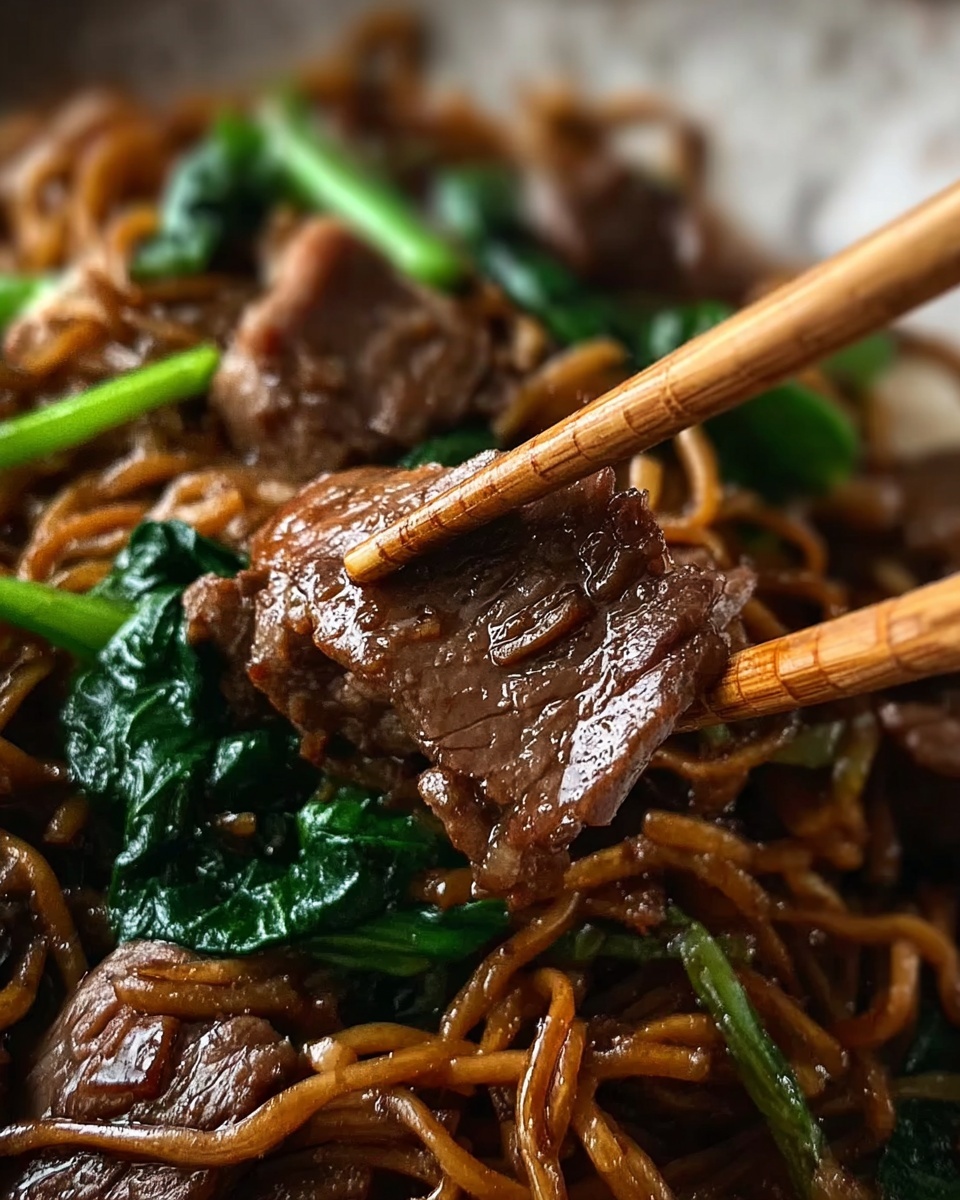
I love serving this dish straight from the pan to a large warm serving bowl or plated individually with a sprinkle of fresh herbs like chopped cilantro or green onions for a pop of color and extra freshness. A wedge of lime on the side always feels like an essential touch, adding brightness when squeezed over the noodles just before eating.
For sides, I often reach for something light and crisp—like a simple cucumber salad or pickled vegetables—to contrast the richness of the beef and sauce. If I’m feeling indulgent, steamed dumplings or lightly fried spring rolls complement the meal wonderfully, turning it into a more festive feast.
When it comes to beverages, a cool jasmine tea or a crisp dry white wine like Sauvignon Blanc pairs beautifully, as their refreshing qualities cleanse the palate after each mouthful. This Beef Rice Noodles Recipe works equally well for casual weeknight dinners or a more elegant weekend meal. I always recommend enjoying it hot to fully savor the silky noodles and tender beef, but it still tastes good at room temperature if you’re packing leftovers for lunch.
Variations
Over time, I’ve enjoyed tweaking this Beef Rice Noodles Recipe in various ways depending on what I have on hand or my dietary needs. For a gluten-free version, swapping out regular soy sauce for tamari or coconut aminos keeps the flavor intact without gluten worries. Vegetarian oyster sauce is a great swap if you want to avoid animal products while still getting that deep umami taste.
If you’re after a different protein, thinly sliced chicken breast or pork tenderloin work beautifully with the same tenderizing method. For a vegan or vegetarian take, firm tofu or sliced king oyster mushrooms are wonderful alternatives and soak up the sauce wonderfully.
Flavor-wise, I sometimes add a splash of toasted sesame oil at the end for a nutty aroma or stir in some chili flakes or fresh sliced chili to ramp up the heat. Cooking methods can also vary slightly: I’ve even finished the noodles in the wok with a splash of stock to create a looser, soupy texture, which makes for a cozy noodle bowl on colder days.
Storage and Reheating
Storing Leftovers
When I have leftovers, I transfer the Beef Rice Noodles Recipe into airtight containers as soon as it cools to help maintain freshness. It will stay good in the refrigerator for 2 to 3 days. I always keep the noodles topped with the sauce and veggies together as separating them can dry out the beef or noodles.
Freezing
Freezing is possible but not my first recommendation because the noodles and greens can become a bit mushy after thawing. If you want to freeze, portion the dish into freezer-safe containers. It should keep well for up to 2 months. When you're ready to eat, thaw in the refrigerator overnight before reheating gently for best results.
Reheating
To reheat, I prefer to use a wok or large skillet on medium heat with a small splash of water or oil to prevent sticking and to refresh the texture. Gently toss and warm through until steaming hot. Avoid microwaving if possible, as it can make the noodles gummy and unevenly heated. Reheating slowly helps keep the beef tender and preserves the vibrant flavors of the sauce.
FAQs
Can I use other cuts of beef for this recipe?
Absolutely! While rump steak or top sirloin are ideal for their tenderness, you can use flank steak or skirt steak sliced thinly if you prefer. Just be sure to tenderize with baking soda as directed to keep the meat soft and juicy.
What if I can’t find flat rice noodles that are Pad Thai thickness?
No worries at all! You can use any flat rice noodles around 3-4mm wide. If your noodles are thinner or thicker, adjust soaking time and be gentle when tossing in the pan to avoid breaking them. This recipe is quite forgiving!
Can I make this recipe vegetarian or vegan?
Yes! To make it vegetarian or vegan, replace beef with firm tofu or mushrooms and use vegetarian oyster sauce in place of regular oyster sauce. Sub tamari for soy sauce if you want it gluten-free, and you can keep the rest of the recipe the same for a delicious plant-based version.
Is the baking soda safe to use, and what does it do?
Definitely! Baking soda tenderizes the beef by breaking down proteins on the surface, making it irresistibly soft and silky after quick stir-frying. Just be sure to rinse thoroughly after tenderizing to remove any residual taste. It’s a classic technique that I swear by for stir-fry beef.
How can I add more vegetables to this dish?
I love throwing in extra veggies with this recipe! Try adding sliced bell peppers, shredded carrots, or snap peas along with the bok choy stems for more crunch and color. Just add them early when stir-frying the stems so they cook evenly and retain a pleasant bite.
Conclusion
I truly hope you’ll give this Beef Rice Noodles Recipe a try soon. It’s one of those dishes I turn to when I want something fast but full of flavor and heart. The tender beef, fresh greens, and luscious sauce come together in a humble yet irresistible way that always brings smiles at my table. Cooking this for yourself or sharing it with loved ones is such a joyful experience — enjoy every delicious bite!
Print
Beef Rice Noodles Recipe
- Prep Time: 25 minutes
- Cook Time: 15 minutes
- Total Time: 40 minutes
- Yield: 2 servings
- Category: Main Course
- Method: Stovetop
- Cuisine: Asian
Description
This Beef Rice Noodles recipe features tenderized rump steak stir-fried with garlic, onion, and Asian greens, all tossed with flat rice noodles and a flavorful soy-based sauce. A quick and easy 40-minute dish perfect for a tasty and satisfying meal for two.
Ingredients
Beef
- 200 g / 7 oz rump steak or top sirloin, cut into 3-4mm (⅛") slices
- ½ tsp baking soda (bi-carbonate, NOT baking powder)
- 2 tsp light soy sauce
Sauce
- 1 tbsp light soy sauce (or all-purpose soy or tamari for gluten-free)
- 1 ½ tbsp dark soy sauce
- 3 tbsp oyster sauce (can substitute vegetarian oyster sauce)
- 2 tsp white sugar (or honey, maple syrup)
- 1 tbsp water
- Pinch white pepper (or black pepper, or chili flakes)
Other Ingredients
- 2 tbsp peanut oil (or canola or other neutral-flavored oil)
- 200 g / 7 oz Pad Thai-thickness flat rice noodles (~3-4mm / ⅛" wide)
- 3 garlic cloves, finely minced
- ½ onion, sliced
- 6-8 baby bok choy, choi sum stems, or Chinese broccoli (separated into stems and leafy parts)
Instructions
- Velvet the Beef: Sprinkle the beef slices with baking soda in a small bowl. Toss gently with your fingertips to coat and separate the slices. Leave this to tenderize for 20 minutes.
- Rinse and Season the Beef: After tenderizing, rinse the beef in a colander under cold water to remove the baking soda. Shake and pat dry with paper towels (it does not have to be perfect). Place the beef in a bowl and toss with 2 teaspoon of light soy sauce. Set aside; no need to marinate longer.
- Prepare the Sauce: In a small bowl, mix together 1 tablespoon light soy sauce, 1 ½ tablespoon dark soy sauce, 3 tablespoon oyster sauce, 2 teaspoon white sugar, 1 tablespoon water, and a pinch of white pepper to create the savory sauce.
- Soak and Rinse Noodles: Prepare the flat rice noodles according to package instructions (usually soak in boiling water for 5 to 10 minutes). Drain well, then rinse under cold tap water to remove excess starch. This prevents the noodles from becoming sticky when cooked.
- Start Stir Frying: Heat 2 tablespoons of peanut oil in a large wok or deep skillet (~30 cm/12") over high heat. Add the sliced onion and cook for about 30 seconds until slightly softened.
- Cook the Beef: Add the seasoned beef slices and stir fry until the red color nearly disappears, about 1 minute. Then add the minced garlic and cook for another 30 seconds until fragrant.
- Add the Asian Greens: Toss in the stem portions of the baby bok choy or similar greens and stir fry for about 1 minute to soften slightly.
- Combine with Leafy Greens, Noodles, and Sauce: Add the leafy parts of the greens next, followed by the prepared noodles, then pour over the sauce. Toss everything together for 1 ½ to 2 minutes until the noodles are evenly coated and all sauce is absorbed with none left pooled at the bottom.
- Serve Immediately: Once everything is hot and well combined, remove from the heat and serve right away for best texture and flavor.
Notes
- The baking soda tenderizes the beef quickly but must be rinsed thoroughly to avoid a soapy taste.
- Use light soy sauce for seasoning meat and in the sauce; dark soy sauce adds color and depth.
- Pad Thai-thickness rice noodles (~3-4mm wide) are ideal but other flat rice noodles can be substituted; adjust quantity accordingly.
- Vegetarian oyster sauce works as a great substitute for traditional oyster sauce for a vegetarian-friendly option.


Leave a Reply