This garlic butter baked salmon is everything I want in a comforting seafood dinner—crispy-topped, oven-broiled salmon nestled into a velvety parmesan cream sauce packed with spinach, sun-dried tomatoes, garlic, and fresh herbs. It’s both elegant and easy, perfect for weeknight meals or a dinner party centerpiece.
Why You’ll Love This Recipe
I love how this dish balances rich flavors with fresh, zesty elements. The garlic butter gives the salmon an irresistible crisp edge, while the creamy sauce brings everything together with a punch of parmesan, tangy lemon, and savory sun-dried tomatoes. It feels fancy, but it’s simple enough to pull off in under 40 minutes. Plus, it’s versatile—I can serve it with crusty bread, potatoes, or a light salad depending on the mood.
Ingredients
(Here's a tip: Check out the full list of ingredients and measurements in the recipe card below.)
4 salmon filets (skin on or off)
Salt and black pepper, to taste
4 tablespoons salted butter (divided)
2 tablespoons fresh thyme leaves
4 cloves garlic, lightly smashed
1 shallot, thinly sliced
A pinch of chili flakes
1 cup heavy cream
⅓ cup salsa verde
1 cup grated parmesan cheese
½ cup chopped sun‑dried tomatoes
3 cups fresh baby spinach
1 tablespoon lemon juice (plus 1 tablespoon lemon zest)
2 tablespoons chopped fresh dill
¼ cup chopped green onions
Directions
I start by preheating the oven to broil.
In an oven-safe skillet, I season the salmon with salt and pepper, then add 1 tablespoon of butter, thyme, and garlic. I broil it for 5–8 minutes until the top is golden and crisping.
I remove the salmon and set it aside.
With the skillet back on medium heat (keeping the garlic and thyme in), I add the remaining 3 tablespoons of butter, sliced shallots, and chili flakes. I cook this until it’s fragrant, then mash the garlic into a paste with a fork.
I stir in the cream and salsa verde, bringing it to a gentle simmer until the mixture turns smooth and creamy. Then I mix in the parmesan, sun-dried tomatoes, and spinach, cooking until the spinach wilts (around 3–5 minutes).
I slide the salmon back into the sauce, finishing with a drizzle of lemon juice.
In a small bowl, I mix the lemon zest, dill, and green onions, and sprinkle this mixture over the salmon right before serving.
I like to plate the salmon directly in the sauce and pair it with bread, potatoes, or a crisp salad.
Servings and timing
Servings: 4
Prep time: 15 minutes
Cook time: 20 minutes
Total time: 35 minutes
Variations
I sometimes use skin-on salmon for added texture, but skinless works just as well.
If I don’t have heavy cream on hand, I swap it for chicken broth, though the sauce is slightly less creamy.
I prefer a zesty Mexican-style salsa verde for added heat, but a classic Italian one also works beautifully.
I’ve also tried adding mushrooms or artichokes to the sauce for an extra veggie boost.
For a low-carb version, I serve this over zucchini noodles or cauliflower mash instead of potatoes or bread.
storage/reheating
Leftovers keep well in an airtight container in the fridge for up to 2 days. When I reheat, I do it gently over low heat on the stovetop to keep the sauce from breaking. If it thickens too much, I just add a splash of cream or broth to loosen it up. I also love flaking leftover salmon into a grain bowl or salad for lunch the next day.
FAQs
How do I know when the salmon is done?
I check if the top is slightly golden and the center flakes easily with a fork. A thermometer should read 125–130°F for medium-rare.
Can I make this dairy-free?
Yes, I’ve used full-fat coconut milk in place of cream and skipped the cheese for a dairy-free version. It’s still creamy and flavorful.
What can I use instead of salsa verde?
I’ve swapped salsa verde for pesto or a spoonful of Dijon mustard with herbs in a pinch. It changes the flavor but still tastes great.
Is this dish spicy?
It’s only mildly spicy from the chili flakes and salsa verde. I leave out the chili flakes if I want to keep it milder.
Can I freeze the leftovers?
I don’t recommend freezing it. The cream sauce may separate when thawed. It’s best enjoyed fresh or from the fridge within a couple of days.
Conclusion
This garlic butter baked salmon with parmesan cream sauce has become one of my go-to meals when I want something indulgent yet effortless. It hits all the right notes—crispy, creamy, fresh, and comforting. I keep it flexible based on what I have on hand, and it never fails to impress.
A quick and flavorful weeknight dish, this Skillet Monterey Chicken brings together juicy chicken breasts, tangy barbecue sauce, melted Colby Jack cheese, and a fresh burst of diced tomatoes and green onions. All it takes is one skillet and a few ingredients to create a satisfying, restaurant-style meal in under 30 minutes.
Why You’ll Love This Recipe
I love how easy this recipe comes together, especially on a busy evening. The chicken stays juicy thanks to a quick simmer in broth, while the barbecue sauce and melted cheese give it that irresistible smoky and creamy finish. I always top it off with fresh tomatoes and green onions for color, crunch, and a hint of brightness. It’s one of those meals that feels indulgent but takes almost no time to prepare—and only one pan to clean.
Ingredients
(Here's a tip: Check out the full list of ingredients and measurements in the recipe card below.)
4 boneless skinless chicken breasts
½ cup chicken stock
4 tablespoons barbecue sauce
4 ounces Colby Jack cheese, shredded
1 tomato, diced
2 green onions, sliced
Salt and pepper (optional)
Directions
I start by pounding the chicken breasts to my desired thickness and seasoning them with salt and pepper, if I want a little extra flavor.
Then I heat a large skillet over medium-high heat and brown the chicken for about 2–3 minutes on each side.
I pour the chicken broth over the browned chicken, cover the skillet, and let it cook for another 4–5 minutes until fully cooked through.
Once the chicken is cooked, I turn off the heat and spread barbecue sauce over each piece.
I top each chicken breast with a generous amount of shredded cheese.
To melt the cheese perfectly, I place the skillet under the broiler for 30 seconds to 1 minute.
Finally, I finish it off with diced tomatoes and sliced green onions right before serving.
Servings and timing
This recipe makes 4 servings. It takes about 10 minutes to prep and another 10 minutes to cook, giving me a full meal in just 20 minutes. Perfect for a weeknight dinner that doesn’t skimp on flavor.
Variations
I like swapping the cheese depending on what I have—cheddar or pepper jack work just as well. If I’m in the mood for more heat, I’ll add some sliced jalapeños before broiling. I’ve also tried using rotisserie chicken in a pinch—just slice it up, heat it in the skillet with broth, and follow the same steps from the barbecue sauce onward.
Storage/Reheating
Leftovers go into an airtight container in the fridge and keep well for up to 3 days. When I want to freeze them, I remove the tomato and green onion garnish, place the chicken in a freezer-safe bag, and store it for up to 3 months. I just defrost it overnight in the fridge and reheat in the oven or a skillet until warmed through.
FAQs
How do I know when the chicken is fully cooked?
I always check that the internal temperature reaches 165°F (74°C) using a meat thermometer. If I don’t have one handy, I just cut into the thickest part to make sure the juices run clear.
Can I use chicken thighs instead of breasts?
Yes, I’ve used boneless, skinless chicken thighs, and they work great. They’re juicier and a bit more forgiving if slightly overcooked.
What barbecue sauce works best?
I go with whatever I have on hand—sweet, smoky, or spicy. I’ve even mixed two different kinds for a custom flavor.
Do I need to broil the chicken?
Broiling gives that final touch, helping the cheese melt evenly and get slightly golden. But if I don’t want to use the broiler, I just cover the skillet for a couple more minutes until the cheese melts.
Can I make this ahead of time?
I sometimes cook the chicken in advance and store it in the fridge. When it’s time to serve, I just add the sauce and cheese and broil or heat it again in the skillet.
Conclusion
Skillet Monterey Chicken is one of those dishes I keep coming back to—it’s fast, flavorful, and feels like something I’d order at a restaurant. With simple ingredients and barely any cleanup, it’s my go-to when I want something delicious without a lot of effort.
These cream cheese swirled pumpkin muffins are the ultimate fall treat. They’re soft, spiced just right, and filled with a sweet swirl of cream cheese. I also top them with sugared candied ginger for that perfect balance of cozy spice and creamy richness. Whether it’s for breakfast, a snack, or a seasonal dessert, I find these muffins hard to resist.
Why I Love This Recipe
I love how this recipe balances texture and flavor — the soft, moist pumpkin muffin, the creamy center, and the slightly crunchy, sweet-spiced topping. The use of both pumpkin puree and pumpkin butter makes each bite deeply flavorful and perfectly seasonal. I also like how easy they are to make in just one bowl, with an added swirl of cream cheese that takes them over the top. And let’s not forget the candied ginger — it adds an exciting zing that makes these muffins feel extra special.
Ingredients
(Here's a tip: Check out the full list of ingredients and measurements in the recipe card below.)
½ cup melted coconut oil
½ cup + 1 tablespoon maple syrup (or honey)
1 tablespoon vanilla extract
2 large eggs, at room temperature
¾ cup pumpkin butter (spiced)
¾ cup pumpkin puree
1½ cups white whole wheat flour
1½ teaspoons baking powder
½ teaspoon baking soda
1 teaspoon cinnamon
½ teaspoon ginger
⅛ teaspoon cardamom
⅛ teaspoon grated nutmeg
⅛ teaspoon ground cloves
1 teaspoon kosher salt
2 tablespoons candied ginger pieces (for folding into batter)
8 ounces cream cheese, at room temperature
Sugared Ginger Topping:
¼ cup candied ginger pieces, finely chopped
1 tablespoon cinnamon sugar
Directions
I preheat the oven to 350 °F (about 175 °C) and line 12 muffin cups with paper liners.
In a mixing bowl, I whisk together the melted coconut oil, ½ cup maple syrup (or honey), vanilla, eggs, pumpkin butter, and pumpkin puree until smooth.
Then I add the flour, baking powder, baking soda, and all the spices — cinnamon, ginger, cardamom, nutmeg, cloves, and salt — and stir until just combined, being careful not to overmix.
I fold in 2 tablespoons of candied ginger pieces and divide the batter evenly among the 12 muffin cups.
In a small bowl, I mix the cream cheese with 1 tablespoon of maple syrup (or honey), then add about 1 rounded teaspoon of this mixture to the center of each muffin, pressing it in just slightly.
I combine the chopped candied ginger and cinnamon sugar and sprinkle it generously over each muffin.
Finally, I bake them for 18–20 minutes until the tops are set, then let them cool slightly before enjoying.
Servings and timing
This recipe makes 12 muffins. The prep time takes around 20 minutes, and baking takes 18–20 minutes, making the total time about 40 minutes. I find one muffin is the perfect single serving.
Variations
I sometimes switch things up by using honey instead of maple syrup for a different kind of sweetness. If I want to make these gluten-free, I swap in a 1:1 gluten-free flour blend — though I haven’t fully tested it yet. For a different flavor profile, I skip the candied ginger and top the muffins with chopped pecans or a crumb topping instead. And when I’m out of coconut oil, I use melted butter or a neutral oil — both work well.
Storage/Reheating
These muffins keep well for about 4–5 days. I store them in an airtight container either at room temperature or in the fridge. To reheat, I pop one in the microwave for about 10–15 seconds to bring back that just-baked warmth. If I plan to keep them longer, I freeze them and warm them up individually as needed.
FAQs
How do I prevent the cream cheese swirl from sinking to the bottom?
I only press the cream cheese swirl gently into the batter, making sure not to push it too deep. That way, it stays near the center as the muffin rises.
Can I use just pumpkin puree instead of pumpkin butter?
I recommend using both because pumpkin butter adds extra flavor and less moisture. If I use only puree, I find the muffins can turn out a bit bland or too soft.
What’s a good substitute for candied ginger?
If I don’t have candied ginger, I use chopped dried cranberries or mini chocolate chips for a different spin. They won’t have the same spice, but they still add great texture and sweetness.
Can I make these muffins ahead of time?
Yes, I often make them the night before and either refrigerate or freeze them. They reheat beautifully in the microwave or oven.
What kind of cream cheese works best?
I use full-fat cream cheese at room temperature for the best texture and richness. I find that reduced-fat versions can be a bit too soft or watery.
Conclusion
These cream cheese swirled pumpkin muffins have become one of my go-to fall bakes. I love the rich spiced flavor, creamy surprise inside, and that sweet-sparkly ginger topping. Whether I’m making them for a cozy weekend treat or prepping ahead for a busy week, they always bring that perfect balance of comfort and indulgence.
There’s something incredibly soothing about a warm bowl of soup, especially when it’s packed with creamy goodness, tender chicken, and hearty vegetables. This creamy rotisserie chicken and mushroom soup with spinach and fresh thyme is my ultimate go-to when I need comfort in a bowl. Using pre-cooked rotisserie chicken makes it a breeze to put together, while the earthy mushrooms and aromatic thyme give it a rich, savory depth that I can’t get enough of.
Why You’ll Love This Recipe
I love this soup because it’s quick, easy, and doesn’t skimp on flavor. Using rotisserie chicken not only saves time but also adds an extra layer of savoriness. The mushrooms bring a satisfying umami taste, while the spinach adds a fresh and slightly bitter contrast that balances the creaminess. Plus, fresh thyme infuses the whole dish with a subtle, herby aroma that feels like a warm hug.
Ingredients
(Here's a tip: Check out the full list of ingredients and measurements in the recipe card below.)
Rotisserie chicken, shredded
Fresh mushrooms, sliced (cremini or white button)
Fresh spinach leaves
Fresh thyme, leaves only
Onion, finely chopped
Garlic, minced
Butter
All-purpose flour
Chicken broth
Heavy cream or half-and-half
Salt and pepper to taste
Olive oil (optional, for sautéing)
Directions
I start by heating a large pot over medium heat and melting some butter (or olive oil).
I add chopped onions and sauté them until they’re soft and translucent.
Then, I stir in the garlic and sliced mushrooms, cooking until the mushrooms are browned and tender.
I sprinkle in the flour and stir well to coat the vegetables, cooking it for a minute to remove the raw taste.
Slowly, I whisk in the chicken broth to deglaze the pot and create a smooth base.
Once the mixture begins to thicken, I add the heavy cream and let it simmer gently.
I stir in the shredded rotisserie chicken, fresh thyme, and spinach, letting everything simmer together for about 10 minutes until the spinach wilts and the flavors come together.
I season with salt and pepper to taste, then serve hot with crusty bread or crackers.
Servings and timing
This recipe serves about 4 to 6 people, depending on bowl size. It takes around 10 minutes to prep and 30 minutes to cook, so I usually have it ready in just 40 minutes—perfect for a weeknight dinner or a lazy weekend lunch.
Variations
Sometimes I like to add a splash of white wine to deglaze the pan for a bit of acidity. If I want a lower-carb version, I reduce the flour or skip it entirely for a thinner broth. For a heartier version, I’ll throw in some cooked wild rice or small pasta shapes. Swapping spinach for kale also works well and gives it a different kind of texture.
storage/reheating
I store leftovers in an airtight container in the fridge for up to 3 days. When I reheat it, I use the stovetop over low heat, stirring often to prevent the cream from separating. If it thickens too much in the fridge, I just add a splash of broth or water to loosen it up.
FAQs
How do I make this soup dairy-free?
I replace the butter with olive oil and swap out the cream for full-fat coconut milk or a dairy-free cream alternative.
Can I use dried thyme instead of fresh?
Yes, I use about one-third the amount of dried thyme compared to fresh. It still gives that aromatic touch, though fresh thyme has a brighter flavor.
What’s the best way to shred rotisserie chicken?
I like to pull it apart with two forks while it’s still warm—it makes the process much easier and faster.
Can I freeze this soup?
I don’t recommend freezing cream-based soups, as they tend to separate when thawed. However, if I must, I freeze it before adding the cream and then stir in the cream after reheating.
What mushrooms work best for this soup?
I usually go with cremini mushrooms for a deeper flavor, but white button mushrooms work well too. A mix of both adds nice variety.
Conclusion
This creamy rotisserie chicken and mushroom soup is one of my favorite comfort meals. It’s fast, flavorful, and flexible, making it perfect for busy nights or cozy weekends. I love how it fills the kitchen with the scent of herbs and warmth—and how every spoonful feels like a hug from the inside out.
A hearty and comforting cheeseburger-style soup combining potatoes, ground beef, cheese, and vegetables in a creamy broth. It’s rich, savory, and deeply satisfying — perfect for cozy nights or a quick weeknight meal that feels indulgent without too much effort.
Why I Love This Recipe
I love how this cheeseburger soup hits all the right notes of comfort food — warm, cheesy, and loaded with beef and potatoes. It’s like wrapping myself in a cozy blanket of flavor. The combination of tender veggies, sharp cheddar, and the richness of sour cream gives it a crave-worthy depth. It also comes together surprisingly quickly, and it always gets rave reviews at the table. Plus, it’s easily adaptable depending on what I have on hand.
Ingredients
(Here's a tip: Check out the full list of ingredients and measurements in the recipe card below.)
3 large russet potatoes (about 3 cups), peeled and cubed
3 cups low sodium chicken broth
¼ cup all-purpose flour
4 cups sharp cheddar cheese, shredded
1½ cups 2% milk
¼ cup sour cream (full fat)
Directions
I start by cooking the ground beef in a frying pan until it’s fully browned. I drain off any excess grease and set the beef aside.
In a large 5-quart pot, I melt 1 tablespoon of butter over medium-high heat. Then I add the diced onion, shredded carrots, diced celery, Italian seasoning, oregano, salt, and black pepper. I sauté everything for about 2 to 3 minutes, just until the onions soften.
I add the cooked ground beef, cubed potatoes, and chicken broth to the pot. After reducing the heat to low, I cover it and let it simmer for about 10 to 12 minutes, until the potatoes are tender.
In a separate small pan, I melt the remaining 3 tablespoons of butter over medium-high heat. I stir in the flour and cook it for about 2 minutes until it bubbles — this helps thicken the soup later.
I pour the butter-flour mixture into the soup and mix it well to combine.
Next, I stir in the shredded cheddar cheese and continue stirring until it melts completely into the soup.
I add the milk and bring the soup back to a light simmer. Finally, I stir in the sour cream until everything is smooth and creamy.
I remove the pot from heat and serve the soup hot.
Servings and timing
This recipe makes about 6 generous servings.
Prep Time: 10 minutes
Cook Time: 30 minutes
Total Time: 40 minutes
Variations
When I want to switch things up, I’ll swap the ground beef for ground turkey or chicken. I also like using different cheese blends like Monterey Jack or Pepper Jack for a little kick. If I’m out of celery or carrots, I’ll just use more onion or even add in some bell peppers. Sometimes I thicken the soup with cornstarch instead of flour, and for a lower-fat version, I use reduced-fat cheese and milk — though the full-fat version is definitely more decadent.
Storage/Reheating
I store leftovers in an airtight container in the fridge for up to 3 days. When reheating, I warm it gently on the stovetop or microwave, stirring occasionally to bring back the creamy texture. This soup does thicken as it sits, so I often add a splash of milk or broth when reheating. For longer storage, I freeze it for up to 3 months — just thaw overnight in the fridge before reheating.
FAQs
What kind of cheese works best in cheeseburger soup?
I always use sharp cheddar because it gives the soup a bold, cheesy flavor, but mild cheddar or a cheddar blend works just as well.
Can I make this soup ahead of time?
Yes, I often make it a day ahead — it actually tastes even better after the flavors have had time to develop.
Can I make it in a slow cooker?
Absolutely. After browning the beef and sautéing the veggies, I toss everything into the slow cooker (except the dairy) and cook on low for about 6–7 hours. I stir in the cheese, milk, and sour cream at the end.
Is this soup gluten-free?
Not as written, since it uses all-purpose flour. But I swap in a gluten-free flour or cornstarch to make it gluten-free without affecting the flavor.
How can I make it spicier?
To turn up the heat, I add a pinch of red pepper flakes or diced jalapeños while sautéing the vegetables, or I use Pepper Jack cheese for an extra kick.
Conclusion
This cheeseburger soup is pure comfort in a bowl. It’s rich, creamy, and packed with hearty flavors that satisfy every time. I love how easy it is to customize and how well it stores for future meals. Whether I’m feeding a crowd or just craving something cozy, this recipe always delivers.
Crispy, golden-fried balls of melted cheese — that’s what I call comfort food at its finest. These bite-sized snacks deliver the perfect combination of crunch on the outside and gooey, stretchy cheese on the inside. Whether I serve them as party appetizers or a quick indulgent snack, they always disappear fast.
Why You’ll Love This Recipe
I love how simple and satisfying these fried cheese balls are. They take just a handful of ingredients and a few quick steps to make. They’re versatile too — I can switch up the type of cheese or season the coating to match whatever flavor I’m craving. Best of all, they fry up in just a minute or two and are ready to serve piping hot with my favorite dipping sauces.
ingredients
(Here's a tip: Check out the full list of ingredients and measurements in the recipe card below.)
200 g mozzarella cheese (or firm melting cheese), cut into cubes
½ cup all-purpose flour
1 large egg, beaten
½ cup breadcrumbs
Salt and pepper, to taste
Oil for frying (vegetable, canola, or similar)
directions
I start by cutting the cheese into bite-sized cubes, about 2 cm each.
I season the flour with a bit of salt and pepper, then dredge each cheese cube, shaking off any excess.
Next, I dip each cube into the beaten egg, making sure it’s fully coated.
I roll the cubes in breadcrumbs until completely covered. For an extra crispy finish, I sometimes dip them again in egg and breadcrumbs for a double coating.
Then, I chill the coated cheese balls in the fridge or freezer for about 15–20 minutes. This helps them hold their shape when frying.
I heat oil in a deep pan or fryer to around 175–180 °C (350–360 °F).
I fry the cheese balls in batches, gently lowering them into the hot oil and turning them as needed, until they’re golden brown (about 1–2 minutes).
I remove them with a slotted spoon and let them drain on paper towels.
I serve them hot, sometimes with marinara, aioli, or sweet chili sauce for dipping.
Servings and timing
Yield: about 12–15 cheese balls (depending on size)
Prep Time: 15 minutes (plus chilling)
Cook Time: 5 minutes (for frying batches)
Total Time: 20–25 minutes
Variations
I like experimenting with this recipe by switching out the cheese — cheddar, gouda, or even a mix work beautifully. I sometimes add garlic powder, paprika, or Italian seasoning to the breadcrumb mix for a boost of flavor. And when I want a little kick, I stir some chili flakes into the flour before dredging. Double coating the cheese balls gives them an extra crispy crust, which I love.
storage/reheating
To store leftovers, I let the cheese balls cool completely, then refrigerate them in an airtight container for up to 3 days. For longer storage, I freeze them in a single layer before transferring to a freezer bag. To reheat, I pop them in an oven or air fryer at 180°C (350°F) until heated through and crispy again — about 5–8 minutes. I avoid microwaving them, since they can get soggy.
FAQs
How do I keep the cheese from leaking while frying?
Chilling or briefly freezing the coated cheese balls helps prevent the cheese from melting too quickly and leaking out during frying. I also make sure the coating is sealed well — double coating helps too.
Can I use an air fryer instead of deep frying?
Yes, I can make these in an air fryer. I spray them lightly with oil and cook at 200°C (400°F) for about 6–8 minutes, flipping halfway through. They won’t be quite as golden but still tasty.
What dipping sauces go best with fried cheese balls?
My favorites are marinara, garlic aioli, or sweet chili sauce. Ranch or sriracha mayo also pair well, depending on the seasoning I’ve used in the coating.
Can I make these ahead of time?
Yes. I often coat the cheese balls and keep them chilled or frozen until I’m ready to fry. That way, I can just fry and serve fresh when I need them.
What cheese works best for frying?
Mozzarella is my go-to because it melts beautifully, but I also love mixing in gouda or cheddar for flavor. The key is using a firm cheese that won’t melt too fast.
Conclusion
These fried cheese balls are one of my favorite quick appetizers — crispy, cheesy, and totally satisfying. They’re simple to make and easy to customize, whether I’m feeding a crowd or just treating myself. Once I tried them, they quickly became a go-to snack in my kitchen.
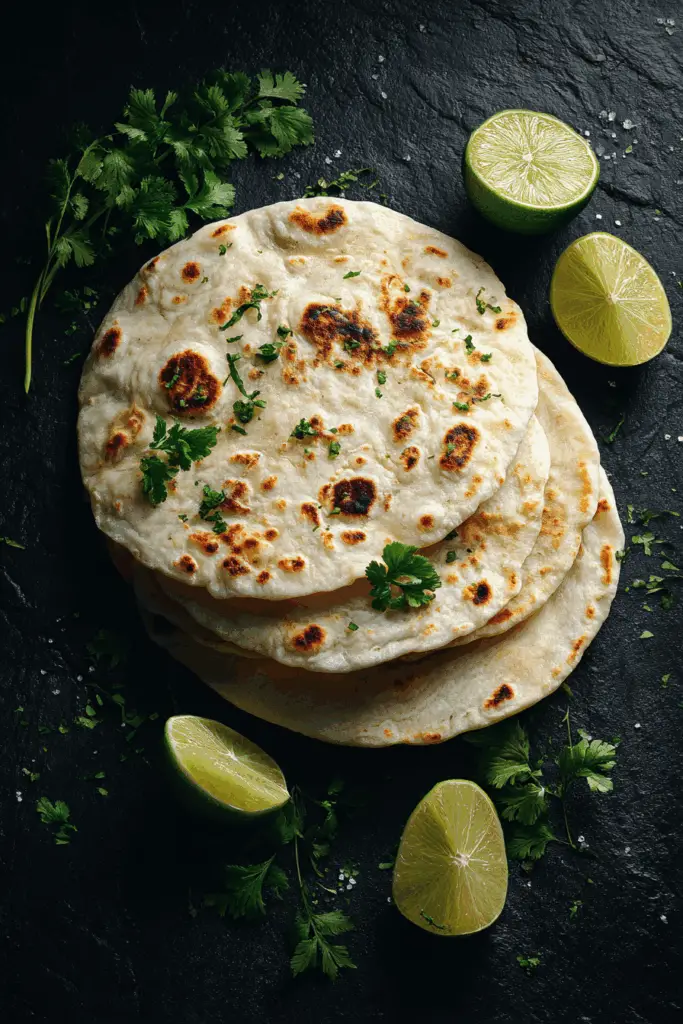
These soft, chewy homemade flour tortillas are incredibly easy to make with just a handful of pantry staples. There’s no yeast involved, and in just about 30 minutes, I can have fresh, warm tortillas that are far better than store-bought. Whether I'm using them for tacos, wraps, or just enjoying them warm with butter, these tortillas are always a hit.
Why You’ll Love This Recipe
I love how quick and simple this recipe is. With no rising time required and just a short resting period, I can whip up a batch of homemade tortillas in less time than it takes to run to the store. The texture is perfectly soft with a hint of chew, and the flavor is rich thanks to the butter. I’ve found these tortillas are incredibly versatile, whether I'm filling them with grilled veggies, meats, or using them as a base for pizzas and wraps. Plus, they freeze beautifully, so I always make extra for later.
Ingredients
(Here's a tip: Check out the full list of ingredients and measurements in the recipe card below.)
3 cups all-purpose flour
2 teaspoons baking powder
1½ teaspoons kosher salt
5 tablespoons salted butter, at room temperature (or coconut oil)
1 cup hot water
Directions
I start by mixing the flour, baking powder, and salt in a large bowl. Then I add the butter and pour in the hot water. I stir everything together until a shaggy dough forms.
I turn the dough out onto a floured surface and knead it for about 1–2 minutes until smooth. After that, I cover it with a damp towel and let it rest for 10 minutes.
Once rested, I divide the dough into 12–14 pieces, shape them into balls, and roll each one into an 8-inch circle. Sometimes I use a tortilla press to speed things up.
I heat a skillet over medium-high and drizzle in a little olive oil. I cook each tortilla for about 30–60 seconds on the first side, until bubbles start to appear, then flip and cook another 30 seconds until lightly golden. I keep them warm under a towel as I work through the batch.
I like to serve them warm, but when I have leftovers, I store them in an airtight container or freeze them for future meals.
Servings and timing
This recipe makes about 12 tortillas.
Prep Time: 20 minutes
Cook Time: 10 minutes
Total Time: 30 minutes
Yield: 12 tortillas
Variations
When I want a dairy-free option, I use coconut oil instead of butter. The flavor changes slightly, but the texture is still lovely.
For a bit of extra flavor, sometimes I add a pinch of garlic powder or dried herbs to the dough.
I’ve also rolled the tortillas smaller for street taco-size or larger for burritos, depending on what I need.
storage/reheating
I keep the cooked tortillas in a sealed food storage bag at room temperature for up to 3 days. If I know I won’t use them quickly, I freeze them and just pull out what I need. To reheat, I warm them on a skillet for about 20 seconds per side, or wrap them in a damp towel and microwave for 15–20 seconds.
I’ve also frozen the dough balls. I just thaw them completely before rolling and cooking, which is a big time-saver for busy days.
FAQs
How do I keep homemade tortillas soft?
I keep them wrapped in a clean kitchen towel as they come off the skillet. This traps steam and helps keep them soft and pliable.
Can I make the dough ahead of time?
Yes, I often make the dough a day in advance and keep it wrapped in the fridge. When I’m ready, I just let it come to room temperature before rolling and cooking.
Why are my tortillas tough or dry?
Overcooking can make them tough, so I only cook each side briefly. Also, I make sure the dough isn’t too dry by adjusting with a splash more water if needed.
Do I need a tortilla press?
Not at all. I usually roll mine out with a rolling pin, and they turn out great. A tortilla press is just a convenience.
Can I make these gluten-free?
This recipe is based on all-purpose flour, so it won’t work the same with gluten-free flour. I’d need a specific gluten-free tortilla recipe for the best results.
Conclusion
These homemade flour tortillas are one of those recipes I come back to again and again. They’re quick, satisfying, and taste far better than anything I can buy. With just a few simple ingredients and a bit of time, I can enjoy warm, fresh tortillas any time I want. Whether I’m using them for tacos, wraps, or a snack straight from the pan, they never disappoint.
A warm, creamy soup made by roasting butternut squash and blending it with aromatic vegetables and broth, this comforting bowl is perfect for chilly days. I love how the roasted squash adds a natural sweetness and depth that boiling just can’t match. With its silky texture and cozy flavor, this soup feels like a hug in a bowl.
Why You’ll Love This Recipe
I always reach for this recipe when I want something hearty yet healthy. Roasting the squash brings out a rich, caramelized flavor that pairs beautifully with the savory broth and subtle nutmeg. It’s easy to make, totally vegetarian, and versatile enough to dress up or down. Whether I want a light lunch or a satisfying starter for dinner, this soup never disappoints.
ingredients
(Here's a tip: Check out the full list of ingredients and measurements in the recipe card below.)
1 medium butternut squash (about 1.0‑1.5 kg), peeled, seeded, and cubed
2 tablespoons extra virgin olive oil (divided)
1 medium onion, chopped
2 cloves garlic, minced
4 cups (≈ 1 L) vegetable broth (or chicken broth)
½ teaspoon ground nutmeg
Salt and pepper, to taste
Optional garnish: chopped fresh parsley or sage, drizzle of cream or olive oil, toasted seeds or nuts
directions
I preheat the oven to 200 °C (≈ 400 °F).
Then I toss the cubed butternut squash with 1 tablespoon of olive oil, a little salt, and pepper. I spread it on a baking sheet.
I roast the squash for 25‑35 minutes, until it’s tender and lightly caramelized.
While the squash roasts, I heat the remaining tablespoon of olive oil in a large pot over medium heat. I sauté the chopped onion until translucent, about 5 minutes, then stir in the garlic and cook for another minute.
I add the roasted squash to the pot, pour in the broth, and sprinkle in the nutmeg. I let it all simmer for 5‑10 minutes so the flavors come together.
Then I blend the mixture until smooth. Sometimes I use an immersion blender right in the pot, or I transfer it in batches to a countertop blender. If it’s too thick, I just add a splash more broth or water.
I taste and adjust the seasoning with more salt, pepper, or nutmeg if needed.
I serve it hot and usually garnish it with something simple like chopped parsley or a drizzle of cream.
When I want to switch things up, I sometimes stir in a splash of cream or coconut milk after blending for a richer texture. Adding spices like curry powder, smoked paprika, or fresh ginger gives the soup a totally different twist. For a protein boost, I’ve also topped it with toasted chickpeas or crumbled feta. It’s one of those recipes that’s easy to make my own.
storage/reheating
I let the soup cool completely before storing. It keeps well in the fridge for up to 4 days in an airtight container. For longer storage, I freeze portions for up to 3 months. When I’m ready to reheat, I warm it gently on the stove over medium heat, stirring occasionally. If it thickens too much in the fridge, a splash of water or broth brings it back to the perfect consistency.
FAQs
How do I make this soup creamier without using dairy?
I like adding a bit of coconut milk or blending in some soaked cashews for a creamy texture that’s still dairy-free.
Can I use pre-cut butternut squash?
Yes, I often use store-bought cubed squash when I want to save time. Just make sure it’s fresh and roast it as usual.
Can I make this soup in advance?
Definitely. I often make it a day ahead and keep it chilled in the fridge. It actually tastes even better the next day.
What’s the best way to blend the soup?
An immersion blender works great right in the pot. If I use a countertop blender, I do it in batches and let the mixture cool slightly to avoid splattering.
What can I serve with this soup?
I usually serve it with crusty bread, a grilled cheese sandwich, or a simple green salad. It’s also a great starter before a bigger fall or winter meal.
Conclusion
This roasted butternut squash soup is everything I want when I’m craving something warm, easy, and comforting. The roasting step brings out such a rich, natural sweetness that makes the soup feel extra special. It’s easy to make ahead, flexible with flavors, and always satisfying. Whether I’m cooking for myself or serving guests, this recipe always delivers.
This Homemade Slow Cooker Maple Apple Butter is a cozy fall spread that brings all the warm, comforting flavors of the season into a jar. I slow-cook fresh apples with pure maple syrup, apple cider, and fragrant spices until they melt into a rich, velvety butter. It’s the perfect addition to toast, oatmeal, pancakes, or even as a sweet gift.
Why You’ll Love This Recipe
I love how incredibly simple and hands-off this recipe is. I just toss everything into the slow cooker, let it do its thing, and come back to a house filled with the most irresistible autumn aroma. The blend of maple and warm spices deepens the flavor, and the slow cooking gives it that dreamy, spreadable texture. Plus, it’s naturally vegan and made with no refined sugars—just wholesome ingredients I can feel good about.
ingredients
(Here's a tip: Check out the full list of ingredients and measurements in the recipe card below.)
6 pounds apples, such as Honeycrisp, cored and chopped
1 cup apple cider
½ cup pure maple syrup
1 tablespoon vanilla extract
1 ½ teaspoons ground cinnamon
¼ teaspoon ground nutmeg
⅛ teaspoon ground cloves (optional)
Pinch of salt
directions
I start by coring and chopping the apples into large chunks, then add them to the slow cooker.
I pour in the apple cider, maple syrup, vanilla, cinnamon, nutmeg, cloves (if I’m using them), and a pinch of salt.
I cover the slow cooker and let it cook on low for 8 to 10 hours, stirring occasionally, until the apples are super soft.
Once cooked, I carefully transfer the mixture to a blender and puree it until smooth—or I use an immersion blender right in the slow cooker for less mess.
Then I return the smooth mixture to the slow cooker, leave it uncovered, and cook it on low for another 1 to 2 hours until it thickens into a smooth, buttery consistency.
After it cools, I spoon it into jars and keep it in the refrigerator for up to 2 weeks, or I freeze it for longer storage.
Servings and timing
This recipe makes about 4 pints of apple butter. Each serving is around 2 tablespoons.
Prep time: 20 minutes
Cook time: 9 to 12 hours
Total time: 9 to 12 hours and 20 minutes
Variations
If I want a twist on the classic, here are a few ways I switch it up:
Swap some of the maple syrup for brown sugar for a deeper caramel flavor.
Mix in a bit of ginger or cardamom for a spicier edge.
Use a mix of apple varieties for a more complex flavor profile.
storage/reheating
I store my maple apple butter in airtight glass jars in the refrigerator for up to 2 weeks. For longer storage, I freeze it in smaller containers or freezer-safe bags for up to 6 months. When I’m ready to use it, I thaw it in the refrigerator overnight. There's no reheating necessary—it spreads beautifully straight from the fridge.
FAQs
What kind of apples work best for this recipe?
I prefer sweet varieties like Honeycrisp, Fuji, or Gala. These apples break down nicely and give the butter a naturally sweet flavor.
Do I have to peel the apples?
No, I don’t peel them. The skins break down during cooking and get blended smooth. It also adds extra nutrients and saves me time.
Can I make this apple butter on the stovetop?
Yes, I can! I just simmer everything in a large pot on low heat, stirring more frequently to prevent sticking. The slow cooker is easier, but stovetop works in a pinch.
How do I know when the apple butter is done?
I check that it’s thick enough to stay mounded on a spoon and not runny. It also deepens in color and develops a rich aroma when it’s ready.
Is it possible to can this apple butter?
Yes, I can preserve it using a water bath canning method if I want to store it for longer outside the fridge. I always follow proper canning guidelines for safety.
Conclusion
Making this Slow Cooker Maple Apple Butter is one of my favorite fall traditions. It fills my home with the most delicious scent, tastes like autumn in a spoonful, and makes the perfect homemade gift. With minimal prep and wholesome ingredients, this recipe is as easy as it is comforting.
These no-bake Halloween bars are the perfect spooky-sweet treat to whip up in a flash. With layers of crunchy cereal, gooey peanut butter, rich chocolate, and eerie white chocolate ghosts, they’re just the right mix of fun and delicious. And the best part? No oven required.
Why I Love This Recipe
I love how simple this recipe is — it takes minimal effort, uses pantry staples, and delivers maximum impact, especially for Halloween parties or trick-or-treat gatherings. The combination of peanut butter and chocolate is always a hit, and the ghost decorations add a playful twist. I also like how kid-friendly it is, both to make and eat. Whether I’m hosting or bringing a dessert to share, these bars are a crowd-pleaser every time.
Ingredients
(Here's a tip: Check out the full list of ingredients and measurements in the recipe card below.)
¾ cup honey
¼ cup maple syrup
1¼ cups creamy peanut butter
3 cups corn flakes cereal
2 cups brown rice krispies
8–12 ounces semi-sweet or dark chocolate, melted
6 ounces white chocolate, melted
candy eyes and black sprinkles, for decorating
Directions
I start by lining a 9×13 inch baking dish with parchment paper.
In a large bowl, I mix the corn flakes, brown rice krispies, and 1 cup of the peanut butter.
Then, I combine the honey and maple syrup in a pot, bringing it to a boil over medium heat. I let it cook for 2 minutes before pouring it into the cereal mixture and stirring well. I spread this into the prepared pan, pressing it in tightly, and pop it into the fridge for 15 minutes.
While that chills, I melt together the chocolate with the remaining ¼ cup peanut butter and spread the mixture over the cereal base.
Next, I melt the white chocolate and drop spoonfuls onto the chocolate layer — about 1 teaspoon for small ghosts or 1 tablespoon for larger ones. I use a skewer or the end of a spoon to drag the white chocolate into spooky ghost shapes.
I finish by adding candy eyes and black sprinkles for extra character. After returning it to the fridge to set for about 15 minutes, I cut the bars into fun, irregular ghost shapes. I keep them chilled until serving.
Servings and timing
Servings: 24 bars
Prep time: 20 minutes
Cook time: 5 minutes
Total time: 55 minutes (including chilling)
Variations
I sometimes swap the peanut butter for almond or sunflower seed butter to accommodate allergies.
For an extra crunch, I toss in some chopped roasted peanuts or pretzels.
I’ve also added a few drops of natural food coloring to the white chocolate to make colorful “monster” versions.
For a darker, richer taste, I like using dark chocolate instead of semi-sweet.
Storage/Reheating
I keep these bars stored in the fridge, where they stay fresh for 3–4 days. If I’m making them ahead, I freeze them in an airtight container. When ready to serve, I just let them thaw in the fridge for about an hour — no reheating necessary.
FAQs
How do I keep the bars from falling apart?
I make sure to press the mixture firmly into the pan and chill it thoroughly before cutting. This helps everything hold together nicely.
Can I make this nut-free?
Yes, I’ve made it with sunflower seed butter and it works well as a nut-free option. Just be sure to check your chocolate and candy decorations for allergens.
Can I use a different cereal?
Definitely. I’ve used crushed Cheerios or puffed rice as alternatives, though the texture may vary slightly. Corn flakes give a nice crunch.
How far in advance can I make these?
I usually make them 1–2 days ahead if I’m planning for a party. They keep well in the fridge and taste just as great the next day.
Do I have to use candy eyes?
Nope! If I don’t have them on hand, I use mini chocolate chips or even small dots of dark chocolate piped onto the ghosts.
Conclusion
These spooky no-bake chocolate peanut butter ghost bars have become one of my go-to Halloween treats. They’re easy, festive, and full of irresistible flavor and crunch. I love that they don’t require baking, which makes them perfect for busy fall days. Whether I’m sharing them with friends or serving them at a Halloween party, they always disappear fast — ghosts and all.
These Turtle Pudding Cookies are soft, chewy, and packed with caramel, pecans, and chocolate. They combine all the flavors of a classic turtle candy in a simple cookie form that melts in my mouth with every bite. I love how the pudding mix keeps the cookies extra soft and moist.
Why You’ll Love This Recipe
I like how these cookies are both indulgent and easy to make. The pudding mix adds a special softness that lasts for days, and the caramel bits create gooey pockets that make every bite irresistible. I also enjoy the crunch of pecans that balance the sweetness of the chocolate and caramel. These cookies remind me of a decadent dessert in a bite-sized form, and I love making them for holidays, gatherings, or just when I crave something rich and satisfying.
ingredients
(Here's a tip: Check out the full list of ingredients and measurements in the recipe card below.)
1 (3.9 oz) box instant chocolate pudding mix
2 ¼ cups all-purpose flour
1 teaspoon baking soda
1 cup (2 sticks) unsalted butter, softened
¾ cup packed brown sugar
¼ cup granulated sugar
2 large eggs
1 teaspoon vanilla extract
2 cups semi-sweet chocolate chips
1 cup caramel bits
1 cup chopped pecans
directions
I start by preheating my oven to 350°F (175°C) and lining baking sheets with parchment paper.
In a medium bowl, I whisk together the flour, pudding mix, and baking soda.
In another large bowl, I cream the butter, brown sugar, and granulated sugar until light and fluffy.
I beat in the eggs and vanilla extract until smooth.
I gradually mix in the dry ingredients until just combined.
I fold in the chocolate chips, caramel bits, and pecans.
I scoop tablespoon-sized portions of dough onto the prepared baking sheets.
I bake for 8–10 minutes, until the edges are set but the centers still look slightly soft.
I let the cookies cool on the sheet for a few minutes before transferring them to a wire rack.
Servings and timing
This recipe makes about 30 cookies. I spend about 15 minutes preparing the dough and 8–10 minutes baking per batch. The total time, including cooling, comes to about 35–40 minutes.
Variations
I sometimes switch the pudding flavor to vanilla or caramel for a lighter taste. If I want extra chocolate richness, I use dark chocolate chips instead of semi-sweet. For a salted twist, I sprinkle a bit of flaky sea salt on top of the cookies before baking. I’ve also tried using walnuts instead of pecans when I want a slightly different nutty flavor.
storage/reheating
I store these cookies in an airtight container at room temperature for up to 5 days. If I want to keep them longer, I freeze them for up to 3 months. When I reheat frozen cookies, I let them thaw at room temperature or warm them in the microwave for about 10 seconds to bring back their soft, gooey texture.
FAQs
Can I make these cookies without pudding mix?
I can, but the texture won’t be as soft and chewy. The pudding mix helps give the cookies their signature moistness.
Do I need to toast the pecans before adding them?
I don’t have to, but toasting the pecans adds an extra layer of flavor and crunch that I really enjoy.
Can I use caramel squares instead of caramel bits?
Yes, I can chop caramel squares into small pieces, but caramel bits melt more evenly and save me time.
How do I prevent the cookies from spreading too much?
I chill the dough for about 30 minutes before baking if I want thicker, chewier cookies.
Can I double the recipe?
Yes, I double the recipe often for parties or gifting. The dough scales easily, and I just bake in batches.
Conclusion
These Turtle Pudding Cookies are my favorite way to bring the classic flavors of chocolate, caramel, and pecans into an easy homemade treat. I love how soft and chewy they turn out every time, and the combination of textures makes them irresistible. Whether I bake them for family, friends, or just myself, they always disappear quickly and leave everyone asking for more.
A comforting, creamy casserole combining chicken, wild rice, vegetables, and a buttery bread topping. This dish brings together hearty ingredients and cozy flavors perfect for a family dinner or a meal-prep favorite.
Why I Love This Recipe
I love how this casserole checks all the boxes for comfort food—creamy, savory, and satisfying. The wild rice adds texture and a slightly nutty flavor that pairs perfectly with the tender chicken and rich sauce. I also like that I can prep it ahead of time or freeze leftovers for later. It’s a one-pan wonder that feels like a warm hug on a cold day.
Ingredients
(Here's a tip: Check out the full list of ingredients and measurements in the recipe card below.)
1 onion, chopped
5 carrots, chopped
5 celery stalks, chopped
1 cup wild rice
3 cups chicken broth
1 lb chicken breasts, cut into small pieces
10 tablespoon butter, divided
1 teaspoon salt
½ teaspoon poultry seasoning
4 tablespoon flour
2 cups milk
3‑4 cups cubed bread (sturdy, dry, or day‑old bread works best)
Directions
I start by preheating the oven to 350 °F (≈ 175 °C). In a large baking dish, I combine the chopped onion, carrots, celery, wild rice, and chicken broth. Then I cover it tightly with foil and bake for 1 hour and 15 minutes.
While the rice is in the oven, I make the sauce. I melt 4 tablespoons of butter in a saucepan over medium heat, then stir in the flour, salt, and poultry seasoning. After cooking for about a minute, I whisk in the milk gradually until the sauce is smooth and creamy.
For the optional bread topping, I melt the remaining 6 tablespoons of butter and toss it with the cubed bread.
Once the rice is done, I remove the foil and stir in the raw chicken pieces and the creamy sauce.
I arrange the buttered bread cubes on top (if I’m using them).
I increase the oven temperature to 450 °F (≈ 230 °C) and bake the dish uncovered for another 20–30 minutes until the chicken is cooked through and the bread topping turns golden brown.
Before serving, I like to garnish it with a little salt, pepper, or fresh parsley if I have it on hand.
Servings and Timing
Yield: 8 servings
Prep Time: 20 minutes
Cook Time: 1 hour 45 minutes
Total Time: 2 hours 5 minutes
Variations
I sometimes use shredded leftover rotisserie chicken to save time—just mix it in before baking the second time.
When I’m out of wild rice, I swap in long-grain white rice and adjust the cooking time slightly.
To lighten it up, I leave off the bread topping or use less butter in the sauce.
For a vegetarian twist, I use veggie broth and add mushrooms or chickpeas instead of chicken.
I also like mixing in a handful of shredded cheese into the sauce for an extra-creamy version.
Storage/Reheating
I store leftovers in an airtight container in the fridge for up to 4 days. To reheat, I use the microwave or pop individual portions into the oven at 350 °F until warmed through. This casserole also freezes well—up to 3 months. I just thaw it overnight in the fridge before baking or reheating.
FAQs
How do I make this casserole ahead of time?
I assemble everything except the bread topping, cover it, and refrigerate it up to 24 hours in advance. When ready, I add the topping and bake as instructed.
Can I freeze this casserole?
Yes, I freeze it either fully baked or unbaked. If freezing unbaked, I add the bread topping just before baking. I thaw it overnight in the fridge before cooking.
What can I use instead of wild rice?
If I don’t have wild rice, I use long-grain white rice or a wild rice blend. Just keep in mind that different rice types may need different cooking times.
Can I use pre-cooked chicken?
Definitely. I use cooked, shredded chicken (like rotisserie) and stir it in after the rice is cooked and before the final bake.
Is the bread topping necessary?
No, it’s optional. I sometimes skip it to reduce carbs or replace it with crushed crackers or even crispy onions for a different texture.
Conclusion
This creamy chicken and wild rice casserole has become a go-to dish in my kitchen. It’s warm, flavorful, and easy to customize. Whether I’m feeding a crowd, meal-prepping for the week, or just craving something cozy, this casserole delivers every time.
These pineapple upside sugar cookies are a delightful twist on the classic pineapple upside-down cake. They combine the soft, buttery sweetness of sugar cookies with the tangy, caramelized flavor of pineapple and a cherry on top. Each bite feels like a mini tropical vacation.
Why You’ll Love This Recipe
I love how these cookies bring together the comfort of a sugar cookie and the nostalgia of a pineapple upside-down cake. I get the flavor of a retro dessert in a small, handheld treat that’s perfect for sharing. I also like how fun these look on a platter, with their glossy pineapple rings and bright cherries making them just as beautiful as they are tasty.
Ingredients
(Here's a tip: Check out the full list of ingredients and measurements in the recipe card below.)
Sugar cookie dough (homemade or store-bought)
Pineapple rings (canned, drained and patted dry)
Maraschino cherries
Brown sugar
Unsalted butter (melted)
Directions
I preheat my oven to 350°F (175°C) and prepare a muffin tin with non-stick spray.
I spoon about 1 teaspoon of melted butter and 1 teaspoon of brown sugar into the bottom of each muffin cup.
I place a pineapple ring into each cup, trimming them if needed so they fit nicely.
I add a maraschino cherry in the center of each pineapple ring.
I press a ball of sugar cookie dough on top of the pineapple and cherry, flattening slightly.
I bake for 12–15 minutes, until the cookies are golden and set.
I let the cookies cool in the pan for about 5 minutes before carefully flipping them out onto a baking sheet to cool completely.
Servings and timing
This recipe makes about 12 cookies, depending on the size of your muffin tin. It takes around 15 minutes of prep and 15 minutes of baking, so I usually have them ready to serve in about 30 minutes.
Variations
I like to swap the sugar cookie dough for shortbread dough when I want a richer base. Sometimes I add a sprinkle of shredded coconut to the brown sugar layer for extra tropical flavor. For a fun twist, I also make them in mini muffin tins with pineapple tidbits instead of rings for bite-sized versions.
storage/reheating
I store these cookies in an airtight container at room temperature for up to 3 days. If I want to keep them longer, I refrigerate them for up to 5 days. To reheat, I warm them in the microwave for 10–15 seconds, which brings back the gooey caramelized flavor.
FAQs
Can I use fresh pineapple instead of canned?
Yes, I can use fresh pineapple, but I make sure to slice it thinly and remove excess juice so the cookies don’t get soggy.
Do I have to use a muffin tin?
I prefer a muffin tin because it helps the pineapple and cherry stay in place, but I can also use a parchment-lined baking sheet with pineapple cut into smaller pieces.
Can I freeze these cookies?
Yes, I can freeze them once they’ve cooled completely. I place them in a single layer in a freezer-safe container and they’ll last up to 2 months.
What can I use instead of maraschino cherries?
I sometimes swap them for fresh cherries, cranberries, or even small raspberries if I want a less sweet option.
How do I stop the cookies from sticking to the pan?
I make sure to spray the muffin tin well and allow the cookies to cool slightly before flipping them out. Using parchment paper rounds at the bottom also helps.
Conclusion
I enjoy how these pineapple upside sugar cookies bring together classic flavors in a fun, bite-sized way. They’re simple, quick to make, and always impress when I share them. Whether I make them for parties, family gatherings, or just a sweet treat for myself, they never last long on the plate.
Crispy, caramelized roasted cabbage steaks are one of my go-to easy vegetable dishes when I want something healthy, hearty, and full of flavor. With just a few pantry spices and a generous drizzle of olive oil or butter, I can transform a simple head of cabbage into golden-edged "steaks" that are tender in the center and crisp on the outside. Whether I serve them as a side or a light vegetarian main, they always impress with their savory depth and beautiful roasted finish.
Why I Love This Recipe
I love how effortlessly this recipe comes together with minimal ingredients and prep time. Roasting brings out the natural sweetness of cabbage, and the spice blend I use adds warmth and depth. It's a budget-friendly, low-carb option that doesn’t sacrifice taste. Plus, it’s adaptable — I can add Parmesan, fresh herbs, or heat for extra flair. It’s also great for meal prep and reheats beautifully.
Ingredients
(Here's a tip: Check out the full list of ingredients and measurements in the recipe card below.)
1 large green or red cabbage
3 tablespoons olive oil (or melted butter)
1 teaspoon garlic powder
1 teaspoon smoked paprika
½ teaspoon onion powder
½ teaspoon dried thyme
1 teaspoon salt (or to taste)
½ teaspoon black pepper
Optional toppings: grated Parmesan cheese, red pepper flakes, fresh parsley
Directions
I preheat the oven to 400 °F (200 °C) and line a baking sheet with parchment paper or lightly grease it.
I remove any wilted outer leaves from the cabbage and slice it into ¾‑inch thick steaks, keeping the core intact so they hold together.
In a small bowl, I mix together the olive oil, garlic powder, smoked paprika, onion powder, thyme, salt, and black pepper.
I brush this flavorful mixture on both sides of each cabbage steak.
Then I arrange the steaks in a single layer on the baking sheet, leaving space so they roast properly.
I roast them for 25–30 minutes, flipping once halfway through, until the edges are golden and crispy and the centers are tender.
Once out of the oven, I let them cool slightly and add any optional toppings before serving.
Servings and Timing
This recipe makes about 4 servings, depending on how thick I slice the cabbage and its size. Prep Time: 10 minutes Cook Time: 25–30 minutes Total Time: 35–40 minutes
Variations
I sometimes switch things up by adding curry powder, Cajun seasoning, or a splash of lemon juice to the oil mixture. When I’m craving a cheesy topping, I grate some Parmesan over the steaks in the last few minutes of roasting. If I want more heat, I sprinkle red pepper flakes before serving. And for a different texture, I even cook these in the air fryer at 375 °F (190 °C) for about 10–15 minutes.
Storage/Reheating
When I have leftovers, I store them in an airtight container in the fridge for up to 3 days. To reheat and get that crisp texture back, I pop them in the oven or air fryer until warmed through and crispy again. I avoid microwaving them, as it softens the edges too much.
FAQs
What type of cabbage works best for cabbage steaks?
I usually use green cabbage because it’s sturdy and roasts well, but red cabbage works too. Just keep in mind that red cabbage has a slightly different flavor and color.
Can I make these cabbage steaks in advance?
Yes, I sometimes prep and season them in advance and refrigerate until I’m ready to roast. It saves time and works great for entertaining.
Why did my cabbage turn out soggy instead of crispy?
That usually happens if the pan is overcrowded or the oven temperature is too low. I always leave enough space between the steaks so they roast, not steam.
Can I freeze roasted cabbage steaks?
I don’t recommend freezing them — the texture gets too soft when thawed. They’re best enjoyed fresh or reheated from the fridge.
What can I serve with cabbage steaks?
I often pair them with roasted potatoes, a grain like quinoa, or even grilled protein for a full meal. They’re also great on their own with toppings like cheese or tahini sauce.
Conclusion
These crispy roasted cabbage steaks are one of those recipes I keep coming back to. They’re incredibly simple, healthy, and satisfying. I can serve them as a side, a light main, or dress them up for something more special. With just a few ingredients and a hot oven, cabbage becomes a star — golden, caramelized, and full of flavor.
Sweet, tender, and irresistibly buttery, these honey butter glazed carrots are a side dish I keep coming back to. They’re simmered in a rich glaze of butter, honey, and brown sugar until perfectly tender and coated in glossy sweetness. It’s the kind of simple comfort food that elevates any meal, whether I’m hosting a holiday dinner or just making something special for a weekday.
Why You’ll Love This Recipe
I love this recipe because it takes minimal effort and delivers maximum flavor. It uses pantry staples, cooks quickly on the stovetop, and gives me that perfect balance of sweet and savory. The glaze clings beautifully to the carrots, and the hint of pepper adds just enough complexity. It’s also incredibly versatile — I can tweak the sweeteners or spices to suit the occasion or my mood.
Ingredients
(Here's a tip: Check out the full list of ingredients and measurements in the recipe card below.)
I add the carrots, water, butter, dark brown sugar, and honey to a 10‑inch skillet over medium heat. Then I cover and cook for 8–10 minutes, giving it an occasional stir to keep things from sticking.
After removing the lid, I raise the heat to medium‑high and continue stirring every so often for another 8–10 minutes, letting the glaze reduce and thicken while the carrots become fork-tender.
If I want a little extra kick, I stir in some freshly cracked black pepper at this point.
Finally, I garnish with chopped parsley and serve them piping hot.
Servings and timing
This recipe serves 4 people.
Prep Time: 5 minutes
Cook Time: 20 minutes
Total Time: 25 minutes
Variations
When I want to switch things up, I try a few easy substitutions:
I use regular carrots, peeled and sliced, if I don’t have baby carrots on hand.
Unsalted butter with a pinch of salt works fine when I want to control the sodium.
I’ve swapped in light brown sugar or even white sugar, though I find dark brown gives the richest flavor.
Maple syrup or agave nectar makes a great honey substitute, especially for a different depth of sweetness.
I sometimes skip the pepper or replace it with a pinch of cayenne for a little heat.
storage/reheating
I store any leftovers in an airtight container in the fridge for up to 5 days. When I’m ready to reheat, I warm them gently on the stovetop over low heat or pop them in the microwave until heated through.
FAQs
What kind of carrots work best for glazed carrots?
I usually go with baby carrots for convenience, but regular carrots, peeled and sliced into rounds or sticks, work just as well.
Can I make this dish ahead of time?
Yes, I often make it a day in advance and reheat just before serving. The glaze holds up well and the flavors meld beautifully overnight.
Is this recipe suitable for a holiday meal?
Absolutely — it’s a staple on my holiday table. The sweet, buttery flavor pairs wonderfully with turkey, or roast chicken.
Can I make it dairy-free?
I can use a dairy-free butter substitute if I need a dairy-free version. Just keep in mind the flavor may vary slightly.
What can I serve with honey butter glazed carrots?
I like to serve them with roasted meats, mashed potatoes, or stuffing. They also add a nice contrast to spicy or savory dishes.
Conclusion
These honey butter glazed carrots are everything I want in a side dish: quick, easy, and packed with comforting flavor. They’re elegant enough for special occasions but simple enough for any day of the week. Whether I’m feeding family or impressing guests, this recipe always delivers.
A flavorful Taco Rice Bowl layered with fluffy rice, seasoned beef, black beans, and fresh toppings like lettuce, tomato, cheese, and avocado. I love how quick and customizable it is—perfect for weeknights when I want something satisfying without a lot of fuss.
Why You’ll Love This Recipe
I find this Taco Rice Bowl to be the ultimate comfort-meets-convenience dish. It’s fast, filling, and flexible—whether I’m craving bold spices or just need a hearty meal that uses pantry staples. I like how easy it is to switch up the protein or toppings depending on what I have on hand, and it always turns out delicious. Plus, it's a great way to pack in some fresh veggies while still enjoying that savory taco flavor.
ingredients
(Here's a tip: Check out the full list of ingredients and measurements in the recipe card below.)
2 cups cooked white rice (long grain or jasmine)
1 lb ground beef or turkey
2 tablespoon taco seasoning
1 can (15 oz) black beans, rinsed and drained
1 teaspoon ground cumin
2 cloves garlic, minced
1 onion, diced (optional, for caramelization)
1 cup shredded lettuce
1 cup chopped tomatoes
1 cup shredded cheddar or pepper jack cheese
1 avocado, sliced
1 lime, cut into wedges
1 tablespoon olive oil
Salt and pepper to taste
directions
I start by rinsing the rice under cold water until it runs clear, then cook it with salted water until fluffy. Once it’s done, I set it aside.
In a skillet over medium heat, I warm up olive oil and cook the ground beef or turkey until browned, breaking it apart with a spoon.
I stir in taco seasoning with a splash of water and let it simmer for 2–3 minutes before taking it off the heat to rest briefly.
While the meat rests, I warm the black beans in a small saucepan with cumin, garlic, and a pinch of salt.
If I’m in the mood for extra flavor, I’ll also sauté some onions until they’re golden and caramelized.
Time to assemble: I layer the bowl starting with the rice, then add beans and the seasoned meat.
I top it all with lettuce, tomatoes, cheese, and slices of avocado.
A final squeeze of lime ties it all together before I dig in.
Servings and timing
This recipe makes 4 generous servings.
Prep Time: 10 minutes
Cook Time: 25 minutes
Total Time: 35 minutes
Variations
I like swapping out ground beef for ground turkey when I want a lighter option, or using shredded chicken for a different twist. Sometimes I’ll throw in a spoonful of salsa or a drizzle of hot sauce to kick up the flavor. It’s also fun to add corn, pickled jalapeños, or even a dollop of sour cream for extra layers of taste and texture. If I have tortilla chips on hand, I’ll crumble a few on top for crunch.
storage/reheating
I store the cooked components—rice, beans, and meat—in separate airtight containers in the fridge for up to 4 days. The fresh toppings like lettuce, tomato, and avocado go in another container so they stay crisp. When I want to reheat, I just microwave the rice, beans, and meat together until warm, then add the cold toppings fresh. If I’m meal prepping, I wait to assemble the bowl right before eating to keep everything at its best.
FAQs
How do I make this vegetarian?
I skip the meat and double up on the black beans, or sometimes I’ll add roasted sweet potatoes or grilled veggies for a hearty meatless version.
Can I use brown rice instead of white?
Absolutely—I like using brown rice when I want more fiber and a slightly nuttier flavor. It works just as well.
Is this recipe gluten-free?
Yes, as long as I check that the taco seasoning is certified gluten-free, everything else in this recipe is naturally gluten-free.
Can I make this spicy?
Definitely. I’ll add diced jalapeños to the toppings or mix some chili flakes or hot sauce into the beef while it cooks for an extra kick.
Can I freeze the leftovers?
I usually don’t freeze the fresh toppings, but the rice, beans, and meat freeze well. I let them cool, pack them in freezer-safe containers, and they keep for up to 2 months. When I’m ready to eat, I thaw overnight and reheat before adding fresh toppings.
Conclusion
This Taco Rice Bowl is one of those easy dinners I keep coming back to. It’s filling, flavorful, and comes together in under 40 minutes. Whether I’m cooking for myself or serving a crowd, I love how versatile and satisfying it is. With simple ingredients and bold taste, it’s a go-to meal that never disappoints.
Vampire Fudge is a rich, decadent treat with a spooky twist—perfect for parties or gothic-themed gatherings. With dramatic swirls of black and red nestled into smooth chocolate fudge, it’s not just eye-catching, it’s absolutely delicious too. This no-bake dessert comes together easily and chills into perfectly sliceable squares of chocolaty goodness.
Why You’ll Love This Recipe
I love how simple yet visually striking this fudge is. The bold red and black swirls give it a ghoulish charm, making it the perfect centerpiece for any spooky dessert spread. It’s incredibly creamy thanks to the condensed milk and butter, and because it’s a no-bake recipe, I don’t need to fuss with candy thermometers or stovetop precision. The flavor is a classic chocolate dream, and the presentation is always a conversation starter.
ingredients
(Here's a tip: Check out the full list of ingredients and measurements in the recipe card below.)
3 cups semi-sweet chocolate chips
1 (14 oz) can sweetened condensed milk
¼ cup unsalted butter
1 teaspoon vanilla extract
Red gel food coloring
Black gel food coloring
directions
I start by lining an 8x8 inch baking pan with parchment paper and setting it aside.
In a medium saucepan over medium heat, I combine the chocolate chips, sweetened condensed milk, and butter, stirring constantly until everything is melted and smooth.
Once the mixture is melted, I remove it from heat and stir in the vanilla extract.
I divide the mixture evenly into two separate bowls. To one bowl, I add red gel food coloring; to the other, I add black gel food coloring, stirring each until the color is well blended.
I then spoon alternating dollops of the red and black fudge into the prepared pan.
Using a toothpick or skewer, I swirl the two colors together to create a marbled effect.
The pan goes into the refrigerator for at least 2 hours or until the fudge is completely set.
Once firm, I cut the fudge into squares and it’s ready to serve.
Servings and timing
This recipe makes about 16 squares of fudge.
Prep time: 15 minutes
Cook time: 10 minutes
Chill time: 2 hours
Total time: Approximately 2 hours 25 minutes
Variations
I sometimes swap out the semi-sweet chocolate chips for dark chocolate if I want a more intense cocoa flavor. For a fun flavor twist, I’ve added a drop of peppermint or almond extract in place of some vanilla. I’ve also played with other colors like purple or green to create a different kind of eerie look. For those who want more texture, chopped nuts or candy pieces stirred in before swirling can add a fun crunch.
storage/reheating
I store this fudge in an airtight container in the refrigerator, where it keeps beautifully for up to two weeks. If I want to keep it even longer, I freeze it—just make sure it’s well wrapped to avoid freezer burn. To serve, I let it sit at room temperature for about 10–15 minutes for the best texture. There's no reheating necessary since this is a no-bake treat.
FAQs
How do I get vibrant red and black colors in the fudge?
I always use gel food coloring instead of liquid. It’s more concentrated, so I get bold colors without affecting the texture of the fudge.
Can I make this fudge ahead of time?
Yes, I often make it a few days in advance. It stores well in the fridge and tastes just as good, if not better, after a day or two.
Can I use white chocolate chips instead?
Absolutely. If I want to try something different, I use white chocolate chips and color them separately for a lighter, yet still spooky, look.
Why is my fudge too soft or not setting properly?
This can happen if I don’t let it chill long enough or if I add too much food coloring. I make sure to follow the chilling time and avoid overmixing the colors.
Can I add flavors or mix-ins?
Yes! I’ve tried mint extract and even added crushed cookies for a fun twist. I just make sure to stir them in before swirling the colors.
Conclusion
Vampire Fudge is a hauntingly beautiful treat that’s as fun to make as it is to eat. I love how easy it is to throw together, and the swirled colors always get compliments. Whether I’m hosting a party or just want a striking dessert, this fudge never disappoints.
A savory appetizer bake of crescent roll dough filled with creamy spinach and artichoke mixture, these spinach artichoke crescent rolls are an easy and crowd-pleasing finger food. I love how they combine the rich flavors of a classic dip with the buttery flakiness of crescent rolls—perfect for parties, game day, or even a cozy snack at home.
Why You’ll Love This Recipe
I find this recipe incredibly satisfying because it delivers bold, creamy flavor in a warm, handheld bite. It’s fast to make, and I don’t need to worry about complicated prep or obscure ingredients. I get that comforting mix of cheesy, garlicky spinach and artichokes with a golden, buttery pastry crust—and it's vegetarian-friendly, too. Whether I'm hosting or just treating myself, this is one of my favorite go-to appetizers.
Ingredients
(Here's a tip: Check out the full list of ingredients and measurements in the recipe card below.)
1 (8-count) tube refrigerated crescent rolls
4 oz cream cheese, softened
¼ cup frozen spinach, thawed and excess water squeezed out
¼ cup canned artichoke hearts, drained and chopped
¼ cup shredded Parmesan cheese
1 clove garlic, minced
1 tablespoon butter, melted
1 teaspoon dried parsley
Salt & pepper, to taste
Directions
I start by preheating my oven to 375°F (190°C) and lining a baking sheet with parchment paper (or lightly greasing it).
In a bowl, I mix together the cream cheese, spinach, artichoke hearts, Parmesan, and minced garlic. I season it with salt and pepper to taste and stir until smooth.
I unroll the crescent dough and separate it into individual triangles.
I spread a thin layer of the spinach-artichoke mixture over each triangle.
Then, I roll each triangle from the wide end to the point to create a crescent shape.
I place them seam-side down on the baking sheet.
I brush the tops with melted butter and sprinkle on some dried parsley.
I bake them for 9 to 12 minutes, until they’re golden brown and cooked through.
Finally, I take them out of the oven and serve them warm.
Servings and timing
This recipe makes 8 crescent rolls.
Prep Time: 10 minutes
Cook Time: 12 minutes
Total Time: 22 minutes Each roll serves one person, making it perfect for small gatherings or doubling up for larger events.
Variations
Sometimes I switch things up by adding extra cheese like mozzarella or feta for more richness. If I have fresh spinach on hand, I’ll cook and chop it instead of using frozen. For a spicy twist, I mix in a pinch of crushed red pepper flakes. I’ve even tried adding chopped sun-dried tomatoes for a tangy kick. This recipe is flexible, and I love making it my own each time.
storage/reheating
I store leftovers in an airtight container in the fridge, where they keep well for 3 to 4 days. To reheat, I pop them in the oven at 350°F (175°C) for about 5–7 minutes until warmed through. I avoid microwaving them if I want to keep the pastry crisp.
FAQs
What’s the best way to drain spinach for this recipe?
I usually thaw the frozen spinach and then wrap it in a clean kitchen towel or paper towels, squeezing out all the excess water. It helps prevent the filling from becoming watery.
Can I make these crescent rolls ahead of time?
Yes, I often prepare the filling in advance and store it in the fridge. I assemble and bake the rolls right before serving so they stay fresh and flaky.
Can I use puff pastry instead of crescent rolls?
Absolutely. I’ve made this recipe with puff pastry sheets before—just cut them into triangles and roll like usual. Baking time might be a bit longer, so I watch for a golden finish.
Are these good served cold?
I prefer them warm because the filling is creamier and the pastry is crisp. But they can be served at room temperature, especially for potlucks or buffets.
Can I freeze these?
Yes, I’ve frozen baked rolls after they cooled completely. I reheat them in the oven straight from the freezer at 350°F (175°C) for 10–12 minutes.
Conclusion
These spinach artichoke crescent rolls are everything I want in a quick, satisfying appetizer—rich, cheesy, easy to make, and perfect for any occasion. Whether I'm entertaining guests or looking for a cozy snack, this recipe never disappoints. It’s a guaranteed hit every time.
This soft, pocket-style pita bread is cooked on a hot tawa (skillet), making it an easy stovetop option for anyone who wants fresh flatbread without an oven. I love how these pitas puff up beautifully and stay soft inside, ready to be stuffed with my favorite fillings or served alongside dips like hummus or baba ghanoush.
Why You’ll Love This Recipe
I make this pita bread when I want something simple but satisfying. It comes together with basic pantry ingredients and doesn’t need an oven. The magic happens right on the tawa — the heat helps create that iconic pocket inside, perfect for filling. Whether I’m preparing a quick sandwich wrap or a mezze spread, these homemade pitas are always a hit. Plus, they’re vegetarian and super customizable.
ingredients
(Here's a tip: Check out the full list of ingredients and measurements in the recipe card below.)
2 cups (≈ 250 g) all‑purpose flour (or a mix of all‑purpose + whole wheat)
1 teaspoon active dry yeast
1 teaspoon sugar
½ teaspoon salt
~⅔ cup (≈ 150 ml) warm water (about 40‑45 °C)
1 tablespoon olive oil (or other neutral oil)
directions
I start by dissolving the yeast and sugar in a bit of the warm water, letting it sit for about 5–10 minutes until it turns frothy.
In a large bowl, I mix the flour and salt. Then I create a well in the center and pour in the frothy yeast mixture, the rest of the water, and the oil.
I stir until a dough forms, then knead it on a floured surface for 5–8 minutes until it's smooth and elastic.
I place the dough in an oiled bowl, cover it, and let it rise for about an hour until it doubles in size.
After that, I punch down the dough and divide it into 6–8 equal portions. I let them rest, covered, for another 10 minutes.
I roll each piece into a circle, about ¼ inch thick.
I heat my tawa over medium-high heat until it’s really hot.
I cook each rolled circle for 30–45 seconds, flip it, and cook the other side. It starts to bubble and slightly puff up.
To encourage full puffing, I sometimes hold the pita briefly over an open flame until it balloons, then finish cooking it on the tawa if needed.
Once done, I keep the cooked pitas covered with a cloth to stay soft while I cook the rest.
Servings and timing
Yield: 6–8 pita breads
Prep time: 15 minutes
Cook time: ≈ 5 minutes (total for all pitas)
Total time: ≈ 1 hour 20 minutes (including rising)
Serving size: 1 pita (≈ 60 g)
Variations
When I’m feeling adventurous, I swap part of the all-purpose flour for whole wheat to make them heartier. Sometimes I’ll mix herbs like dried oregano or za’atar into the dough for extra flavor. A garlic-infused oil brushed over the top after cooking also adds a savory touch. These can also be made mini-size for dipping or party platters.
storage/reheating
I keep leftover pitas in an airtight bag at room temperature for up to 2 days. For longer storage, I freeze them with parchment between each to avoid sticking. To reheat, I either warm them on the tawa for a minute or use the microwave wrapped in a damp paper towel for about 15–20 seconds to bring back the softness.
FAQs
How do I get the pita to puff properly?
I make sure my tawa is very hot before cooking. If the dough is rolled evenly and the pan is at the right temperature, the steam helps it puff. A quick exposure to an open flame can also help form the pocket.
Can I make this dough ahead of time?
Yes, I sometimes make the dough and let it rise in the fridge overnight. I bring it to room temperature before dividing and rolling.
What if I don’t have a tawa?
Any heavy skillet or cast iron pan works. I just make sure it gets hot enough to mimic the direct heat of a tawa.
Can I use whole wheat flour only?
I’ve tried it, but the pitas come out denser. I prefer a mix of all-purpose and whole wheat to keep them soft but still hearty.
Are these gluten-free?
This version isn’t, but I’ve seen gluten-free blends used successfully with some recipe adjustments. I recommend experimenting with a tested gluten-free flour mix.
Conclusion
This soft tawa pita bread has become one of my go-to flatbreads because of how simple and versatile it is. I love how it delivers authentic results using just a stovetop. Whether I’m filling it with grilled veggies or dipping it into something creamy, there’s always a reason to make a fresh batch.
These chocolate peanut butter no-bake cookies are a chewy, rich, and satisfying treat made without even turning on the oven. Packed with creamy peanut butter, oats, and cocoa, they come together in under 30 minutes and are perfect for a quick dessert or snack. I love how kid-friendly and fuss-free they are, making them one of my go-to recipes when I want something sweet and simple.
Why You’ll Love This Recipe
I always reach for this recipe when I need something quick, chocolatey, and satisfying. Here’s why it stands out:
No oven needed – ideal for hot days or when I just don't feel like baking.
Done in 30 minutes or less – minimal prep and cook time.
Simple pantry ingredients – everything is usually already in my kitchen.
Kid-approved – chewy, chocolatey, and fun to help make.
Customizable – I can easily toss in extras like coconut or chocolate chips.
ingredients
(Here's a tip: Check out the full list of ingredients and measurements in the recipe card below.)
½ cup butter
2 cups granulated sugar
½ cup milk (whole or 2%)
¼ cup unsweetened cocoa powder
1 cup creamy peanut butter
2 teaspoons vanilla extract
3 cups quick-cooking oats
¼ teaspoon salt
directions
I start by stirring together the oats and salt in a large bowl and set them aside.
Then, in a saucepan over medium-high heat, I whisk together the butter, sugar, milk, and cocoa powder. I bring it to a boil and let it boil for exactly 1 minute—this timing is key for the right texture.
After removing from heat, I whisk in the peanut butter and vanilla until the mixture is smooth and well blended.
I pour the hot chocolate mixture over the oats and stir everything together until fully coated.
Using a spoon, I drop portions of the mixture onto a parchment-lined baking sheet.
Finally, I let the cookies cool at room temperature until they’re set, which usually takes about 20–30 minutes, and then I store them in the fridge.
Servings and timing
Yield: About 30 cookies
Prep Time: 10 minutes
Cook Time: 5 minutes
Total Time: 30 minutes
Serving Size: 1 cookie
Calories per serving: 150
Variations
I like to change things up sometimes by adding:
Shredded coconut for a tropical twist
Mini chocolate chips for extra richness
Raisins or dried cranberries for a chewy texture
Chopped nuts for crunch
Sea salt flakes on top for a sweet-salty finish
storage/reheating
Once the cookies are completely cooled and set, I store them in an airtight container in the fridge for up to one week. They also freeze well—just layer them with parchment paper in a freezer-safe container and freeze for up to 3 months. I don’t usually reheat them, but if I want one a bit softer, I let it sit at room temperature for a few minutes before eating.
FAQs
How do I know if I’ve boiled the mixture long enough?
I make sure to boil it for exactly 1 minute once it starts bubbling. Less than that and the cookies might not set properly; too much and they can turn dry and crumbly.
Can I use old-fashioned oats instead of quick oats?
I prefer quick oats because they create a softer, more cohesive texture. Old-fashioned oats can be used, but the cookies will be chewier and less uniform.
Can I make these cookies dairy-free?
Yes, I can swap the butter with a plant-based alternative and use a dairy-free milk like almond or oat milk.
Why didn’t my cookies set?
This usually happens if the mixture didn’t boil long enough. Timing that 1-minute boil is crucial for the sugar to bind everything together.
Can I use crunchy peanut butter?
Definitely. I sometimes use crunchy peanut butter for a bit of added texture and nutty crunch.
Conclusion
These chocolate peanut butter no-bake cookies are one of my favorite easy desserts. They’re fast, flavorful, and flexible, making them ideal for last-minute cravings or quick batch treats. Whether I'm making them for myself, my family, or to share with friends, they never disappoint.
A creamy, tropical-flavored one-pan dish combining seasoned chicken with coconut milk–cooked rice and aromatic spices. This easy weeknight dinner feels comforting, a little exotic, and perfectly balanced in richness and spice.
Why I Love This Recipe
I love how this recipe brings together warm, fragrant spices and the natural sweetness of coconut milk in one skillet. It's a complete meal that feels hearty but fresh, thanks to the lime juice and optional cilantro garnish. The chicken stays juicy, the rice gets infused with flavor, and cleanup is minimal. Whether I'm serving it for a casual family dinner or for guests, it always hits the mark.
Ingredients
(Here's a tip: Check out the full list of ingredients and measurements in the recipe card below.)
4 boneless, skinless chicken breasts (or thighs)
1 tablespoon olive oil
1 teaspoon ground cumin
1 teaspoon ground coriander
1 teaspoon garlic powder
1 teaspoon onion powder
½ teaspoon paprika
Salt and pepper, to taste
1 tablespoon fresh lime juice
1 cup long-grain white rice
1½ cups coconut milk (full-fat recommended)
1½ cups water or chicken broth
1 tablespoon coconut oil (or olive oil)
1 small onion, diced
2 cloves garlic, minced
1 teaspoon grated fresh ginger (optional)
Fresh cilantro or parsley, chopped (for garnish)
Lime wedges (for serving)
Shredded coconut, toasted (optional garnish)
Directions
I start by mixing cumin, coriander, garlic powder, onion powder, paprika, salt, and pepper in a small bowl. I rub this spice blend all over the chicken, then drizzle it with fresh lime juice.
In a large skillet over medium heat, I heat the olive oil and sear the chicken for about 6–7 minutes on each side until golden and cooked through (internal temperature should reach 165°F). Once done, I remove the chicken and set it aside.
Using the same skillet, I add coconut oil and sauté the diced onion until it's soft, around 3 minutes. Then I add the garlic and optional ginger, cooking for another minute.
I stir the rice into the skillet, letting it absorb the aromatics, before adding coconut milk and water (or broth). I give it a good stir and bring it to a simmer.
Once simmering, I reduce the heat to low, cover the skillet tightly, and let the rice cook for 15–18 minutes, until the liquid is fully absorbed. Then I remove it from heat and let it sit covered for another 5 minutes.
I fluff the rice with a fork, slice the chicken, and lay it on top. A sprinkle of cilantro, some toasted coconut, and lime wedges finish it off beautifully. I serve it hot.
Servings and timing
This recipe serves 4 and takes about 40 minutes total — 10 minutes to prep and 30 minutes to cook. Perfect for a weeknight dinner that feels a bit special.
Variations
I sometimes swap chicken breasts for thighs when I want a juicier bite.
For a lighter option, I use light coconut milk, though it does make the dish less rich.
When I’m craving heat, I toss in chili flakes or fresh sliced chili.
Basmati or jasmine rice both work great for a more aromatic twist.
I like to top mine with toasted coconut for added texture.
Storage/Reheating
Leftovers keep well in the fridge for up to 3 days. I store everything in an airtight container. To reheat, I use the microwave or gently warm it on the stovetop with a splash of water or broth to bring back moisture. It also freezes well for up to 3 months — I just make sure to thaw it in the fridge overnight before reheating.
FAQs
What kind of coconut milk should I use?
I prefer full-fat canned coconut milk for the best creamy texture. Light coconut milk can be used, but the dish will turn out less rich.
Can I use brown rice instead of white?
Yes, but brown rice takes longer to cook and may require more liquid. I adjust the cooking time and keep an eye on the liquid level.
Is this dish spicy?
As written, it’s flavorful but not spicy. I add chili flakes or fresh chilies if I want a bit of heat.
Can I make this dish ahead of time?
Definitely. I often make it earlier in the day, then gently reheat it before serving. It also makes great leftovers.
What can I serve with this?
This dish is great on its own, but I sometimes pair it with a simple green salad or steamed veggies for extra freshness.
Conclusion
This creamy coconut chicken and rice is one of those reliable, flavorful meals I keep coming back to. It's simple enough for busy nights, yet packed with bold, satisfying flavors. Whether I’m cooking for myself or feeding a crowd, it never disappoints.
A one-pan wonder, this balsamic chicken and orzo skillet brings together juicy chicken breasts, tender orzo pasta, and vibrant vegetables in a rich balsamic glaze. It’s quick, satisfying, and perfect for busy weeknights when I want something hearty but don’t want to deal with a mountain of dishes afterward.
Why You’ll Love This Recipe
I love how everything cooks in one pan, which means fewer dishes to clean and flavors that really come together. The balsamic glaze adds a tangy-sweet depth that balances beautifully with the savory chicken and vegetables. The orzo soaks up all the goodness, giving each bite layers of flavor. Plus, it’s easy to customize with seasonal veggies or whatever I have on hand.
Ingredients
(Here's a tip: Check out the full list of ingredients and measurements in the recipe card below.)
4 boneless, skinless chicken breasts
1 cup orzo pasta
2 cups chicken broth
1 cup cherry tomatoes, halved
1 zucchini, diced
1 bell pepper, diced
1 red onion, chopped
3 tablespoons balsamic vinegar
2 tablespoons olive oil
2 cloves garlic, minced
1 teaspoon dried oregano
Salt and pepper to taste
Fresh basil for garnish
Directions
I start by seasoning the chicken with salt, pepper, and half the oregano. In a large skillet or Dutch oven, I heat 1 tablespoon of olive oil over medium-high heat and sear the chicken for about 6–7 minutes per side, until golden and cooked through. Then I set it aside to rest.
In the same pan, I add the remaining olive oil and sauté the chopped red onion for 2–3 minutes until soft. I toss in the garlic next and cook it for about 30 seconds until fragrant.
I stir in the diced bell pepper and zucchini and let them cook for 3–4 minutes until they begin to soften. Then I add the orzo and stir everything together to coat.
Next, I pour in the chicken broth, bring it to a boil, then lower the heat to medium-low. I cover the skillet and let it simmer for 10–12 minutes, stirring occasionally, until the orzo is tender and most of the liquid is absorbed.
While that simmers, I slice the cooked chicken. Once the orzo is ready, I add the cherry tomatoes, balsamic vinegar, and the remaining oregano. I fold the chicken back into the pan and let everything warm together for another 2–3 minutes until a light glaze forms.
Off the heat, I garnish with fresh basil and serve right away.
Servings and timing
Yield: 4 servings
Prep Time: 10 minutes
Cook Time: 20 minutes
Total Time: 30 minutes
Variations
Sometimes I like to swap out the vegetables depending on what’s in season—mushrooms, asparagus, or even yellow squash work really well here. If I’m feeding a crowd, I double the recipe and use a large Dutch oven to keep everything cooking evenly. For extra richness, a sprinkle of parmesan at the end is always a hit.
storage/reheating
I store leftovers in an airtight container in the fridge for up to 3 days. When reheating, I like to add a splash of broth or water to loosen up the orzo, since it tends to absorb liquid over time. I usually reheat it gently on the stovetop or in the microwave. I avoid freezing this dish, though—the orzo doesn’t hold up well after thawing and can turn mushy.
FAQs
How do I know when the chicken is cooked through?
I look for a golden crust and check that the juices run clear when I slice into the thickest part. If I’m unsure, I use a meat thermometer—it should read 165°F (74°C).
Can I make this recipe vegetarian?
Absolutely. I swap the chicken for chickpeas or white beans and use vegetable broth instead of chicken broth. It still turns out delicious and hearty.
What can I use instead of orzo?
I’ve used small pasta shapes like pearl couscous or even rice in a pinch. Just adjust the cooking time and liquid as needed.
Is it okay to use pre-cooked chicken?
Yes, if I have leftover cooked chicken, I skip the initial searing step and add the sliced chicken at the end to warm through with the glaze and tomatoes.
Can I make this ahead of time?
I like to prep the vegetables and season the chicken ahead, but I wait to cook it fresh since orzo tends to get a bit soft if it sits too long. It reheats well, though, if made the same day.
Conclusion
This balsamic chicken and orzo skillet is one of my favorite go-to meals when I want something comforting, flavorful, and easy to clean up. It’s a great way to bring together pantry staples and fresh produce in one hearty dish. Whether I’m cooking for my family or just myself, this recipe always hits the spot.
A smooth, buttery side dish of potatoes whipped with warm milk and softened butter into a velvety, fluffy texture. I love how this recipe transforms simple ingredients into something irresistibly comforting and rich.
Why You’ll Love This Recipe
I find mashed potatoes to be the ultimate comfort food. This version is especially luxurious thanks to the warm milk and soft butter that blend perfectly with tender potatoes. I can also mix in sour cream or cream cheese when I want extra richness. It’s a versatile, crowd-pleasing side that fits alongside weeknight dinners or holiday feasts. And best of all, it’s simple and quick to make.
Ingredients
(Here's a tip: Check out the full list of ingredients and measurements in the recipe card below.)
1 kg potatoes (Russet or Yukon Gold), peeled and cut into chunks
100 ml whole milk (or more, warmed)
50 g unsalted butter, softened
Salt, to taste
Black pepper, to taste
Optional: 1–2 tablespoon sour cream or cream cheese for extra richness
Directions
I place the peeled potato chunks into a large pot and cover them with cold water. Then I add a pinch of salt.
I bring the pot to a boil over medium-high heat, then reduce to a simmer. I cook the potatoes for about 15–20 minutes, until they’re fork-tender.
After draining them well, I return the potatoes to the pot and let them steam-dry for a couple of minutes with the heat off.
I mash the potatoes using a masher or ricer until they’re mostly smooth.
I warm the milk gently and add it gradually while stirring, until the mixture reaches my desired creaminess.
Then I stir in the softened butter until it’s fully melted and blended in.
I season the mashed potatoes with salt and pepper to taste. If I’m using sour cream or cream cheese, I fold it in now.
I serve immediately, or cover the pot to keep warm until ready to serve.
Servings and timing
This recipe makes about 4 to 6 servings. It takes approximately 10 minutes to prep and 20 minutes to cook, bringing the total time to around 30 minutes. Perfect for quick dinners or to prep ahead for larger meals.
Variations
When I want to change things up, I like mixing in roasted garlic or finely chopped herbs like chives or parsley. For a cheesier version, I sometimes stir in a handful of shredded cheddar. If I’m serving guests who prefer a tangier flavor, sour cream or cream cheese does wonders. I also occasionally swap some of the milk for heavy cream for an ultra-rich texture.
Storage/Reheating
I store any leftover mashed potatoes in an airtight container in the refrigerator for up to 3 days. When reheating, I add a splash of milk and reheat them gently on the stovetop or in the microwave, stirring occasionally to restore their creamy texture. I try to avoid overheating, which can dry them out.
FAQs
How do I keep mashed potatoes from becoming gluey?
I avoid overmixing and never use a blender or food processor. These can overwork the starch and turn the potatoes gummy. I stick to a masher or ricer for the best texture.
Can I make mashed potatoes ahead of time?
Yes, I often make them a few hours in advance. I keep them warm by covering the pot or transferring to a slow cooker on the warm setting. If making the day before, I reheat gently with added milk.
What type of potatoes works best for mashed potatoes?
I prefer Russet or Yukon Gold potatoes. They have the right amount of starch to make them fluffy and smooth. Waxy potatoes like red potatoes don’t mash as well.
Can I freeze mashed potatoes?
While I can freeze mashed potatoes, I personally prefer them fresh. If I do freeze them, I let them cool completely first, then store in freezer-safe bags. I thaw and reheat gently with a bit of milk to bring back the creamy texture.
How can I make this recipe dairy-free?
I’ve made this recipe using plant-based milk and vegan butter with good results. Unsweetened oat milk or almond milk works well, and dairy-free sour cream can be used for added richness.
Conclusion
Creamy mashed potatoes are a timeless side dish that I turn to over and over again. Whether I’m serving them alongside a hearty roast, crispy chicken, or enjoying them solo with a drizzle of gravy, they never disappoint. With just a few ingredients and a simple process, I get the kind of comfort food everyone loves — smooth, buttery, and incredibly satisfying.
This crispy gnocchi with spinach and feta is a simple Italian-inspired dish that brings big flavor with minimal effort. I pan-fry pillowy gnocchi until golden, then toss them with wilted spinach, garlic, and tangy crumbled feta. It’s a quick and satisfying vegetarian meal perfect for weeknights or when I want something hearty without the hassle.
Why You’ll Love This Recipe
I love how this recipe transforms a pack of store-bought gnocchi into something truly crave-worthy. Pan-frying gives the gnocchi a golden, crispy exterior that contrasts perfectly with the creamy feta and tender spinach. It all comes together in one pan, in under 30 minutes, with just a few staple ingredients. Plus, it’s flexible—I can mix in extra veggies or spices depending on what I have on hand.
Ingredients
(Here's a tip: Check out the full list of ingredients and measurements in the recipe card below.)
1 pound gnocchi
2 tablespoons olive oil
4 cups fresh spinach (≈120 g)
4 ounces feta cheese, crumbled (≈115 g)
2 cloves garlic, minced
Salt, to taste
Black pepper, to taste
1 teaspoon red pepper flakes (optional)
Directions
I bring a large pot of salted water to a boil, then add the gnocchi and cook them according to package instructions—usually just until they float, about 2–3 minutes. I remove and drain them with a slotted spoon.
In a large frying pan, I heat olive oil over medium-high. I add the cooked gnocchi and let them cook undisturbed for about 2–3 minutes, until the bottoms are golden and crispy.
I gently stir or flip the gnocchi to crisp the other sides, cooking for another 2–3 minutes.
I lower the heat to medium and add the minced garlic, sautéing for about 1 minute until fragrant.
I stir in the spinach and cook until it wilts, which takes about 2–3 minutes.
I season everything with salt, black pepper, and red pepper flakes (if I’m using them), then remove the pan from heat.
Finally, I stir in the crumbled feta so it gently melts into the dish. I serve it hot, straight from the pan.
Servings and timing
This recipe serves 4 people.
Prep Time: 10 minutes
Cook Time: 15 minutes
Total Time: 25 minutes
Variations
I sometimes swap out the spinach for kale or Swiss chard if that’s what I have. Cherry tomatoes or sliced zucchini are great additions, especially when I want more color and brightness. For a richer taste, I’ve also tried tossing in a little butter with the olive oil, or using goat cheese instead of feta for a creamier texture.
Storage/Reheating
Leftovers go into an airtight container in the fridge and keep well for 1–2 days. When I want to reheat them, I use a hot pan to re-crisp the gnocchi, or I warm them in the oven for a few minutes. I avoid the microwave, which tends to make the gnocchi chewy. If I have uncooked gnocchi, I freeze them on a tray until firm, then store them in a bag. I boil them straight from frozen when I’m ready to cook.
FAQs
How do I keep gnocchi from getting soggy when frying?
I make sure the gnocchi are well-drained before adding them to a hot, oiled pan. Letting them sit undisturbed for a few minutes helps them crisp up properly.
Can I use frozen spinach instead of fresh?
Yes, but I make sure to thaw and squeeze out any excess water first so it doesn’t make the dish watery.
What kind of gnocchi works best?
I usually use store-bought potato gnocchi, but shelf-stable, refrigerated, or homemade all work as long as they’re boiled first.
Is this dish good for meal prep?
It’s best fresh, but I’ve made it ahead and reheated it in a pan with good results. I wouldn’t recommend freezing the cooked dish, though.
Can I make this dairy-free?
I can skip the feta or use a plant-based feta alternative. The dish will still be flavorful, especially with the garlic and spinach.
Conclusion
This crispy gnocchi with spinach and feta is one of my favorite go-to meals when I want comfort food with a gourmet twist. It’s quick, easy, and endlessly adaptable depending on what’s in my fridge. Whether I’m cooking for myself or sharing with friends, it always hits the spot.
Mini meatloaf muffins are a fun and clever twist on traditional meatloaf, baked conveniently in a muffin pan. They cook faster than a full loaf, freeze beautifully, and are perfect for portion control or meal prep. Whether I serve them fresh from the oven or thawed from the freezer, they always deliver comforting flavor in every bite.
Why You’ll Love This Recipe
I love how this recipe turns a classic comfort food into a quick and convenient dinner. These meatloaf muffins are perfectly portioned, so I don’t have to worry about slicing, and they cook in just 30 minutes. They also freeze like a dream, making them ideal for make-ahead meals. Plus, I can easily customize them with veggies, cheese, or different glazes to match my mood or what’s in my fridge.
ingredients
(Here's a tip: Check out the full list of ingredients and measurements in the recipe card below.)
1 pound lean ground beef
½ cup finely diced sweet yellow onion
½ cup panko bread crumbs
½ cup bread crumbs
8 ounce can tomato sauce
2 large eggs (slightly beaten)
1 tablespoon Worcestershire sauce
2 teaspoons fresh minced garlic
2 teaspoons dried parsley flakes
1½ teaspoons kosher salt
½ teaspoon black pepper
½ teaspoon ground mustard seed
¼ cup ketchup (for glaze)
directions
I start by preheating the oven to 375 °F (about 190‑191 °C) and lightly spraying a muffin pan with nonstick spray.
In a large bowl, I mix together the ground beef, onion, both types of bread crumbs, tomato sauce, eggs, Worcestershire sauce, garlic, parsley, salt, pepper, and mustard seed.
I make sure everything is well combined—sometimes with a spoon, sometimes with gloved hands.
I spoon the mixture evenly into each muffin cup, filling to the top (a 3-tablespoon scoop works great for this).
I top each meatloaf muffin with a little ketchup for a nice glaze.
Then I bake them for 30 minutes, until they're cooked through and lightly caramelized on top.
Once done, I serve them hot, sometimes with extra sauce or even a mashed potato “frosting” on top.
Servings and timing
This recipe yields 12 mini meatloaf muffins.
Prep time: 10 minutes
Cook time: 30 minutes
Total time: 40 minutes Each muffin contains about 104 calories, making them a lighter dinner option without sacrificing flavor.
Variations
I like switching things up depending on what I have. Sometimes I swap the ketchup glaze for BBQ sauce or chili sauce for a smokier or spicier flavor. Instead of breadcrumbs, I’ve used crushed crackers or even dry stuffing mix for added texture. For more nutrition, I sneak in finely chopped vegetables like carrots, mushrooms, or zucchini. Cheese lovers might enjoy a cube of mozzarella or a sprinkle of Parmesan mixed in. These muffins are endlessly flexible.
storage/reheating
I store leftovers in an airtight container in the fridge for up to 3 days. To freeze, I let them cool completely and place them in a freezer-safe container or bag. They hold their shape really well. When I’m ready to reheat, I either pop them in the oven at 350 °F (about 175 °C) for 20 minutes or microwave them if I’m in a hurry—though the oven helps maintain the texture best.
FAQs
How do I know when the mini meatloaf muffins are done?
I look for a nicely browned top and an internal temperature of 160 °F. It usually takes 30 minutes in a standard muffin tin.
Can I use ground turkey or chicken instead of beef?
Absolutely. I sometimes swap in ground turkey for a leaner option. Just make sure not to overcook, as poultry dries out more easily.
Can I make these ahead of time?
Yes, I often make a batch in advance and either refrigerate for a few days or freeze for later. They reheat beautifully.
What sides go well with meatloaf muffins?
I like serving them with mashed potatoes, roasted veggies, or a fresh green salad. They pair well with just about anything.
Can I make these gluten-free?
Yes, I just substitute the breadcrumbs with gluten-free alternatives like crushed gluten-free crackers or oats.
Conclusion
Mini meatloaf muffins have become one of my go-to comfort meals. They’re quick, tasty, and adaptable to whatever I have on hand. Whether I’m making a weeknight dinner or stocking the freezer for busy days, this recipe always comes through.
Soft, no-bake peanut butter balls are my go-to snack when I want something wholesome, sweet, and easy to make. They’re rich in flavor, packed with protein, and come together in minutes without the need for baking. Whether I'm after a post-workout bite, a lunchbox treat, or just a mid-afternoon pick-me-up, these energy bites always deliver.
Why You’ll Love This Recipe
I love how these peanut butter balls are endlessly customizable and made with pantry staples. I don’t need a mixer or oven — just one bowl and about 10 minutes. They’re naturally sweetened, high in protein (especially if I add protein powder), and they satisfy a sweet craving without refined sugar. I also enjoy tossing in extras like chocolate chips or seeds depending on what I’m in the mood for.
Ingredients
(Here's a tip: Check out the full list of ingredients and measurements in the recipe card below.)
1 cup natural peanut butter
½ cup honey (or maple syrup)
1 cup rolled oats (gluten‑free if needed)
⅓ cup vanilla protein powder (optional)
2 tbsp chia seeds or flaxseed meal (optional)
¼ cup mini chocolate chips (optional)
Water, as needed (1–2 tsp)
Pinch of salt (if peanut butter is unsalted)
Directions
I start by combining the peanut butter, honey, and vanilla (if using) in a medium bowl until smooth.
Then, I stir in the oats, protein powder, chia or flaxseed (if using), and salt until a thick dough forms.
If the mixture feels too dry, I add water a teaspoon at a time until it holds together.
At this point, I fold in the mini chocolate chips if I want a chocolatey boost.
Using a tablespoon or cookie scoop, I portion the dough and roll it into bite-sized balls.
I place the finished balls on a parchment-lined tray and refrigerate them for at least 30 minutes to firm up.
I store them in an airtight container in the fridge for up to a week or freeze for longer storage.
Servings and timing
This recipe yields about 14–16 balls, depending on the size I roll them. It takes just 10 minutes to prep, and I like to chill them for at least 30 minutes before eating. These bites are no-bake, which makes them a fast and fuss-free snack option.
Variations
When I feel like changing things up, I love rolling the finished balls in shredded coconut, crushed nuts, or cocoa powder for extra texture and flavor. If I skip the protein powder, I usually add a little more oats or a touch of extra peanut butter. Sometimes I swap peanut butter for almond butter or cashew butter to change the flavor profile.
Storage/Reheating
I keep the peanut butter balls in an airtight container in the fridge, where they stay fresh for up to 1 week. For longer storage, I freeze them for up to 3 months. When I want one from the freezer, I just let it sit at room temperature for 5 minutes — they’re ready to eat in no time.
FAQs
What kind of peanut butter works best?
I use natural, drippy peanut butter for the best texture. If it’s too stiff, the mixture might not bind well.
Can I make these without protein powder?
Yes, absolutely. I just add more oats or a bit of extra peanut butter to keep the consistency right.
Are these gluten-free?
They can be. I make sure to use certified gluten-free oats if I need a gluten-free option.
How can I make them vegan?
To make them vegan, I swap honey for maple syrup and use a plant-based protein powder if including it.
Can I add other mix-ins?
Definitely. I’ve tried shredded coconut, dried cranberries, chopped nuts, and even crushed pretzels — they all work great.
Conclusion
These no-bake peanut butter balls are one of the easiest, most satisfying snacks I make. They’re naturally sweet, protein-rich, and freezer-friendly — everything I need in a snack that’s ready when I am. Whether I'm looking for a quick breakfast bite or a post-workout snack, I always find myself coming back to this recipe.
A refreshing and flavorful salad with crisp Honeycrisp apples, broccoli, dried cranberries, nuts, and a tangy creamy dressing — perfect as a light side dish or snack. This no-cook recipe brings a satisfying crunch and a delightful balance of sweet, savory, and tangy elements.
Why I Love This Recipe
I love how this salad brings together textures and flavors in such a vibrant way. The crispness of the Honeycrisp apple pairs beautifully with the earthy broccoli and chewy dried cranberries. The creamy dressing adds just the right amount of tang and sweetness, tying everything together. It's one of those dishes I can whip up quickly, serve at any gathering, or enjoy as a midday pick-me-up. Plus, it's easy to customize depending on what I have on hand.
Ingredients
(Here's a tip: Check out the full list of ingredients and measurements in the recipe card below.)
4 cups broccoli florets, chopped
1 large Honeycrisp apple, diced
½ cup dried cranberries
½ cup chopped pecans or walnuts
¼ cup red onion, finely diced
½ cup shredded sharp cheddar cheese (optional)
For the dressing:
½ cup mayonnaise
2 tablespoons apple cider vinegar
1 tablespoon honey
Salt and pepper, to taste
Directions
I start by combining the chopped broccoli, diced apple, dried cranberries, nuts, red onion, and cheddar (if I'm using it) in a large bowl.
Then, I whisk together the mayonnaise, apple cider vinegar, honey, salt, and pepper in a small bowl until smooth.
I pour the dressing over the salad mixture and toss everything together until evenly coated.
To let the flavors blend nicely, I refrigerate the salad for at least 30 minutes before serving.
Servings and timing
This recipe makes about 4 to 6 servings, depending on portion size. It takes only 15 minutes to prepare, plus a recommended 30 minutes of chilling time. There’s no cooking involved, which makes it ideal when I want something quick and refreshing.
Variations
I often switch things up based on what’s in my pantry. Sometimes I use walnuts instead of pecans, or I skip the cheese for a lighter version. When I'm craving more sweetness, I’ll add a bit more honey or toss in a handful of golden raisins. To make it more filling, I’ve even added some cooked quinoa or shredded rotisserie chicken.
Storage/Reheating
I store any leftovers in an airtight container in the refrigerator for up to 2 days. The flavors tend to deepen overnight, which I really enjoy. However, I try to eat it within that window to keep the apples and broccoli crisp. This salad isn’t suitable for freezing, and there’s no need to reheat it — I just enjoy it cold, straight from the fridge.
FAQs
How can I keep the apples from browning?
I dice the apples right before mixing them in. The acidic dressing also helps prevent browning, so I make sure to coat everything well.
Can I make this salad ahead of time?
Yes, I like making it a few hours in advance so the flavors have time to develop. Just keep it chilled until serving.
What can I use instead of mayonnaise?
For a lighter version, I sometimes use Greek yogurt or a half-and-half mix of yogurt and mayo. It still turns out creamy and delicious.
Is this salad gluten-free?
Yes, all the ingredients are naturally gluten-free. I just make sure any added cheese or packaged ingredients don’t contain hidden gluten.
Can I make this vegan?
Absolutely. I swap the mayo for a vegan version, skip the cheese, and use maple syrup instead of honey for the dressing.
Conclusion
This Honeycrisp apple broccoli salad has quickly become one of my go-to recipes when I want something crisp, flavorful, and easy. It's perfect for potlucks, holiday spreads, or just as a quick weekday lunch. I love how adaptable it is — and that I can enjoy a fresh, satisfying dish without turning on the stove.
Rich, fudgy, and indulgent, these Mounds Bar Brownies are everything I crave in a dessert. Inspired by the classic candy bar, I layered a dense chocolate brownie base with a sweet coconut filling and finished it all off with a silky chocolate ganache. The result is a triple-layer treat that satisfies every chocolate and coconut craving.
Why You’ll Love This Recipe
I love how this recipe brings together bold textures and flavors—fudgy chocolate, creamy coconut, and smooth ganache all in one bite. It’s a decadent, bakery-style dessert that’s easy to whip up at home. Whether I’m making them for a party, holiday tray, or just a personal indulgence, these brownies never fail to impress. Plus, I can chill them for clean slices and enjoy them straight from the fridge for an extra treat.
Ingredients
(Here's a tip: Check out the full list of ingredients and measurements in the recipe card below.)
½ cup unsalted butter
½ cup dark cocoa powder
2 large eggs
1 cup granulated sugar
1 teaspoon vanilla extract
¼ cup + 2 tablespoon all‑purpose flour
½ teaspoon salt
2 cups sweetened shredded coconut
⅔ cup sweetened condensed milk
1 cup semi‑sweet (or dark) chocolate chips
½ cup heavy cream
1 tablespoon butter (for ganache)
Directions
I preheat the oven to 325 °F (163 °C), line an 8×8 inch baking pan with foil (leaving overhang), and lightly grease it.
In a small saucepan over low heat, I melt the butter with cocoa powder, stirring until smooth, then let it cool for a few minutes.
I whisk in the eggs until the mixture is well combined, then stir in sugar and vanilla.
I add the flour and salt, whisking just until combined.
In a separate bowl, I mix the shredded coconut with the sweetened condensed milk.
I pour half of the brownie batter into the prepared pan and spread it evenly.
Then I drop spoonfuls of the coconut mixture over the batter layer.
I pour the remaining brownie batter over the top and smooth it to cover the coconut.
I bake it for 30–35 minutes, or until a toothpick inserted comes out mostly clean with a few moist crumbs. I let it cool completely in the pan.
For the ganache, I heat the heavy cream and 1 tablespoon butter until just simmering, remove from heat, add the chocolate chips, let it sit for a minute, then whisk until smooth.
I pour the ganache over the cooled brownies, spreading evenly, and chill for at least 1–2 hours to set.
Once set, I use the foil overhang to lift the brownies out and cut them into squares. I serve them chilled or at room temperature.
Servings and timing
This recipe makes 12 brownies. Prep Time: 10 minutes Cook Time: 30 minutes Chilling Time: 1–2 hours Total Time: About 2 hours (including chilling)
Variations
I sometimes toast the coconut lightly before mixing it with the condensed milk—it brings a deep, nutty flavor.
When I’m in a hurry, I use a boxed brownie mix as the base and go straight into layering the coconut and ganache.
I’ve also tried adding chopped almonds for a Mounds-meets-Almond Joy twist.
For a darker, more intense flavor, I use dark chocolate chips and Dutch-processed cocoa.
If I want a little texture, I mix in some crushed graham crackers with the coconut.
Storage/Reheating
I store these brownies in an airtight container in the fridge—they stay fresh for up to a week. For longer storage, I wrap individual pieces and freeze them for up to 3 months. When I’m ready to enjoy one, I let it thaw in the fridge or on the counter for a bit. I usually serve them chilled or at room temp, but they’re delicious slightly warmed in the microwave for about 10 seconds too.
FAQs
How do I get clean slices when cutting the brownies?
I always chill the brownies for at least 1–2 hours before slicing and use a sharp knife wiped clean between each cut.
Can I make these brownies ahead of time?
Yes, I often make them a day or two in advance. They keep beautifully in the fridge and the flavors even deepen overnight.
What if I don’t have sweetened condensed milk?
There’s really no substitute for the richness and stickiness it brings to the coconut layer, so I make sure I have it on hand for this recipe.
Can I use milk chocolate instead of semi-sweet or dark chocolate?
I can, but I find milk chocolate makes the ganache much sweeter. I prefer using semi-sweet or dark for a balanced flavor.
Do these brownies need to be refrigerated?
Yes, I refrigerate them to keep the ganache and coconut layer firm and fresh. It also makes them easier to slice and serve.
Conclusion
These Mounds Bar Brownies are a show-stopping dessert that combines everything I love about chocolate and coconut. Each bite is rich, chewy, and satisfying, with that perfect contrast between sweet, creamy coconut and intense chocolate. Whether I’m baking them for a special occasion or just because I’m craving something indulgent, they never disappoint.
Soft, thick, and irresistibly chocolatey—these bakery-style chocolate chunk cookies are everything I want in a homemade treat. Each bite is packed with a rich blend of milk chocolate chips and dark chocolate chunks, delivering that perfect gooey-meets-crunchy texture. Whether I'm baking a fresh batch for guests or freezing a few for later, these cookies never disappoint.
Why I’ll Love This Recipe
I love how these cookies bring that fresh-from-the-bakery magic right into my kitchen. The high oven temperature creates perfectly crispy edges, while the soft center stays chewy and rich. Using both milk and dark chocolate means every bite is layered with flavor. Plus, I can easily make them smaller or freeze the dough for whenever I want a warm cookie on demand.
Ingredients
(Here's a tip: Check out the full list of ingredients and measurements in the recipe card below.)
1 cup salted butter, softened
¾ cup brown sugar
½ cup granulated sugar
2 large eggs
1 teaspoon vanilla extract
2 ½ cups all-purpose flour
½ cup cocoa powder
1 teaspoon baking powder
1 teaspoon baking soda
½ teaspoon salt
2 cups milk chocolate chips
1 ½ cups dark chocolate chunks
Directions
I preheat the oven to 400 °F (200 °C) and line two baking sheets with parchment paper or silicone mats.
In a stand mixer fitted with the paddle attachment, I combine the softened butter, brown sugar, and granulated sugar. I mix on low to start, then increase to medium until the mixture is smooth—about 1 minute.
I add in the eggs and vanilla extract, mixing just until combined—around 30 seconds.
I add the flour, cocoa powder, baking powder, baking soda, and salt. Mixing on low, I stop once everything is just combined and scrape down the bowl as needed.
I fold in the milk chocolate chips and dark chocolate chunks using a spatula or spoon.
I divide the dough into 8–10 large portions (about 5–6 oz each), roll them into balls, and space them out on the prepared sheets (about 4–5 per pan).
I bake them for 11–14 minutes, just until the tops are set.
After baking, I let them cool on the baking sheet for 15 minutes before moving them to a wire rack—or serving warm for a melty chocolate experience.
Servings and Timing
This recipe yields 8 large cookies, each weighing around 5–6 oz. The total prep time is about 16 minutes, and the baking takes up to 14 minutes. That means I can have a warm, bakery-style cookie ready in just 30 minutes.
Variations
Smaller Cookies: I sometimes make smaller portions (~2 oz each) for about 24 cookies. I bake them at the same temperature for roughly 8 minutes.
Extra Tall Cookies: For a taller, chunkier cookie, I chill or freeze the dough balls before baking. This keeps them from spreading too much.
Frozen Dough: I freeze pre-portioned dough balls and bake them straight from the freezer, adding an extra 1–2 minutes to the baking time.
Storage/Reheating
Once baked and cooled, I store these cookies in an airtight container at room temperature for up to 4 days. For longer storage, I freeze them in a zip-top bag and reheat in the microwave for about 10–15 seconds when I want one warm. If I freeze the raw dough, I bake directly from frozen without thawing—just adjust the baking time by a minute or two.
FAQs
What makes these cookies bakery-style?
It’s the size and texture. I make them large and thick, and the combination of cocoa powder and two types of chocolate creates a rich, indulgent flavor that mimics bakery cookies.
Can I use only one type of chocolate?
Absolutely. I’ve made these with just milk or just dark chocolate, and they still taste amazing. The mix just adds more depth.
Do I need to chill the dough?
It’s optional, but if I want a thicker cookie with less spread, I chill or even freeze the dough balls before baking.
Can I make the dough ahead of time?
Yes, I often make the dough ahead, portion it into balls, and freeze them. Then I can bake a cookie or two whenever I want.
How do I know when the cookies are done?
I take them out when the tops look just set and the edges are slightly firm. They’ll continue cooking a bit on the baking sheet as they cool.
Conclusion
These bakery-style chocolate chunk cookies are a chocolate lover’s dream—soft, thick, and absolutely packed with flavor. I love how versatile they are, whether I’m baking a big batch or freezing some dough for later. Once I tried this recipe, it instantly became my go-to for when I want something rich, comforting, and deliciously homemade.
This creamy blue cheese sauce is a rich, luxurious addition to any steak dinner. I simmer Gorgonzola cheese with shallots, garlic, white wine, and cream to create a smooth and flavorful sauce that adds a restaurant-quality touch right at home. Whether I'm treating myself or impressing guests, this sauce never fails to elevate the meal.
Why You’ll Love This Recipe
I love how effortlessly this sauce comes together in just 15 minutes. It’s intensely flavorful without being overpowering, thanks to the balance of pungent blue cheese, aromatic shallots, and the brightness of white wine. I find it incredibly versatile—not just for steak, but also for burgers, roasted vegetables, or even pasta. Plus, it's easy to adjust the intensity of the blue cheese to suit my taste.
Ingredients
(Here's a tip: Check out the full list of ingredients and measurements in the recipe card below.)
1 cup heavy cream
4 ounces Gorgonzola cheese, crumbled
⅓ cup shallots, thinly sliced
¼ cup white wine (e.g. Pinot Grigio)
1 clove garlic, minced
3 tablespoons butter
2 teaspoons fresh thyme, chopped
1 teaspoon Worcestershire sauce
¼ teaspoon ground black pepper
Directions
I heat a saucepan over medium heat and melt the butter.
I add the shallots and sauté them until they begin to soften and lightly caramelize.
Then I stir in the garlic and cook it for about 15 seconds, just until fragrant.
I pour in the white wine and let it reduce by about half.
Next, I stir in the heavy cream, thyme, Worcestershire sauce, and black pepper.
I crumble in the Gorgonzola and stir until it melts and blends into the sauce.
I let the sauce simmer gently for 5–7 minutes, stirring often, until it thickens to the consistency I like.
I remove it from the heat and serve it warm, generously spooned over steak.
Servings and timing
This recipe yields about 1 ¼ cups of sauce, which serves around 8 people as a drizzle. Prep time: 5 minutes Cook time: 10 minutes Total time: 15 minutes
Variations
Sometimes I switch up the cheese—using Gorgonzola dolce gives a milder flavor, while a sharper blue like Roquefort adds intensity. When I don’t want to use wine, I substitute it with chicken or vegetable stock and reduce it slightly to concentrate the flavor. For a chunkier texture, I stir in only half of the cheese and sprinkle the rest on top when serving.
Storage/Reheating
I store any leftover sauce in an airtight container in the refrigerator for up to 4–5 days. To reheat, I warm it gently over low heat while stirring constantly. If it thickens too much, I just add a splash of cream or milk to loosen it. I avoid boiling it to prevent the cream from curdling.
FAQs
How do I make the sauce less strong if I'm not a huge blue cheese fan?
I use a milder variety like Gorgonzola dolce or even mix in a little cream cheese to mellow out the flavor without losing the creamy texture.
Can I make this sauce ahead of time?
Yes, I often make it a day ahead and reheat it gently when needed. It holds up well in the fridge for several days.
What can I use instead of wine in this recipe?
I substitute the white wine with an equal amount of chicken or vegetable stock. I make sure to let it reduce for flavor concentration.
Will the sauce curdle if I reheat it?
It can if reheated too quickly or at a high temperature. I always reheat it over low heat, stirring constantly, and avoid letting it boil.
Can I freeze this sauce?
I don’t recommend freezing it. The cream and cheese can separate during thawing, which affects the texture.
Conclusion
This creamy blue cheese sauce is one of my go-to recipes when I want to turn a simple steak into something special. It’s quick, easy, and packed with flavor—and it never fails to impress. Whether I’m serving it on steak, burgers, or roasted vegetables, it’s always a delicious hit.
A flavorful, satisfying one-pan dish that brings together crispy, spicy Bang Bang–sauced chicken with savory veggie fried rice. It’s hearty, quick, and perfect for weeknight dinners or weekend cravings.
Why You’ll Love This Recipe
I love how this dish brings big flavor with minimal fuss. The crispy chicken coated in creamy-spicy Bang Bang sauce adds boldness, while the fried rice is comforting and packed with vegetables. Everything comes together in one pan (or one air fryer and one skillet), which makes cleanup easy. Plus, it’s super flexible—I can use up leftover rice and throw in whatever veggies I have on hand. It’s the kind of meal that feels indulgent but is still made with everyday ingredients.
ingredients
(Here's a tip: Check out the full list of ingredients and measurements in the recipe card below.)
1½ lb boneless, skinless chicken breast, cut into 1‑inch cubes
1 tablespoon vegetable oil
1 teaspoon paprika
1 teaspoon garlic powder
1 teaspoon kosher salt
½ teaspoon black pepper
1 cup Bang Bang sauce (homemade or store‑bought), divided
2 tablespoon sesame oil, divided
4 large eggs, beaten
½ teaspoon kosher salt (for eggs)
2 large carrots, diced
1 large white onion, diced
¼ cup green onions, diced, plus more for garnish
1 teaspoon garlic, minced
4 cups cooked long‑grain white rice (cooled, day‑old preferred)
¼ cup unsalted butter, melted
1 teaspoon lemon juice
2 tablespoon soy sauce
⅓ cup frozen peas
directions
I toss the cubed chicken with vegetable oil, paprika, garlic powder, salt, and pepper until it’s evenly coated.
Then I cook the chicken either in the air fryer at 400 °F for 11–12 minutes (flipping halfway) or in a skillet over medium-high heat for 6–8 minutes, until golden and cooked through (internal temp should hit 165 °F). I keep it warm afterward.
In a large skillet over high heat, I heat 1 tablespoon of sesame oil and scramble the beaten eggs (sprinkled with salt) until just set. I transfer them to a plate.
I reduce the heat to medium-high and add the remaining sesame oil, then cook the carrots, onion, and green onions for about 5 minutes until the carrots soften. I stir in the garlic and cook for another minute.
I add the cooled rice to the skillet, breaking up any clumps, and stir it into the veggies. I let it cook for 2–3 minutes until it’s heated through.
I return the scrambled eggs to the pan along with melted butter, lemon juice, soy sauce, and peas. I stir everything well and cook for another 2–3 minutes until it’s hot and fully combined.
I toss the cooked chicken with half of the Bang Bang sauce, then serve it over the fried rice. I drizzle extra sauce on top if I want a little more punch and garnish with extra green onions.
I sometimes swap the chicken breast for chicken thighs if I want something juicier.
For a vegetarian version, I skip the chicken and toss crispy tofu in the Bang Bang sauce instead.
Bell peppers, corn, or broccoli are great add-ins when I want more veggies.
If I want to cut down on heat, I reduce the amount of Bang Bang sauce or use a milder version.
storage/reheating
Leftovers go into an airtight container and stay good in the fridge for 3 to 4 days. When I reheat, I prefer using a skillet with a splash of water to keep things from drying out, but the microwave works in a pinch. I just cover it loosely and heat in short bursts.
FAQs
What is Bang Bang sauce made of?
Bang Bang sauce typically includes mayonnaise, sweet chili sauce, and a bit of sriracha or hot sauce. It’s creamy, tangy, and spicy.
Can I use freshly cooked rice?
I don’t recommend it. Fresh rice tends to be too moist and sticky. I always use day-old, cooled rice for the best fried rice texture.
Is this dish spicy?
It has a kick, but it’s not overpowering. I adjust the spice by using more or less Bang Bang sauce depending on my preference.
Can I freeze this meal?
I don’t usually freeze this dish because the texture of the rice and sauce can change. It’s best enjoyed fresh or within a few days from the fridge.
What’s the best way to make it ahead?
I prep the chicken and rice ahead of time and store them separately. When I’m ready to eat, I quickly reheat the rice, toss the chicken in sauce, and put everything together.
Conclusion
This Bang Bang Chicken Fried Rice is a weeknight hero in my kitchen. It brings the flavor and comfort I crave, all in one pan and under an hour. Whether I’m looking to spice things up or use up leftovers, this dish never disappoints.
These chocolate pumpkin cheesecake bars are a decadent, layered dessert that combines rich chocolate, velvety pumpkin-spiced cheesecake, and a buttery cinnamon crumble topping. Every bite hits the perfect balance between fudgy, creamy, and crunchy textures—ideal for fall gatherings or simply indulging in cozy flavors any time of the year.
Why You’ll Love This Recipe
I love how this recipe blends the richness of chocolate with the warm spices of pumpkin cheesecake. The contrast in textures—dense cake base, smooth cheesecake, and crisp crumble—is what makes each bar irresistible. It's an easy way to impress guests or satisfy seasonal dessert cravings without needing any fancy baking techniques. Plus, the layering is simple, and the end result looks as good as it tastes.
ingredients
(Here's a tip: Check out the full list of ingredients and measurements in the recipe card below.)
Chocolate Layer: 15.25 oz chocolate cake mix (boxed) 1 large egg ½ cup salted butter, melted
Pumpkin Cheesecake Layer: 8 oz cream cheese, softened (1 brick) 15 oz pumpkin puree (canned) 2 large eggs 1 teaspoon vanilla extract 2 teaspoons ground cinnamon ½ teaspoon salt 1 teaspoon ground nutmeg 1 teaspoon ground cloves 3 cups powdered sugar
Crumble Topping: ¾ cup all-purpose flour ¾ cup brown sugar 2 teaspoons ground cinnamon 8 tablespoons salted butter, very soft
Assembly: ½ cup semi-sweet chocolate chips (or chunks)
directions
I preheat the oven to 350 °F (175 °C) and grease a 9×13 inch baking dish or line it with parchment paper.
Chocolate Layer: In a medium bowl, I mix together the chocolate cake mix, egg, and melted butter until smooth, then press the mixture evenly into the bottom of the prepared dish.
Pumpkin Cheesecake Layer: In another bowl, I beat the softened cream cheese and pumpkin puree until smooth. Then I add the eggs, vanilla, cinnamon, salt, nutmeg, and cloves, mixing well. I gradually add the powdered sugar and blend until fully smooth.
I pour the cheesecake mixture over the chocolate base and smooth the top.
I sprinkle the chocolate chips evenly over the pumpkin layer.
Crumble Topping: I combine the flour, brown sugar, and cinnamon in a bowl, then mix in the softened butter with a fork until crumbly.
I sprinkle the crumble topping over the chocolate chips and pumpkin layer.
I bake for 50 to 60 minutes, until the center is set and the top is golden.
I let the bars cool completely, then chill them in the refrigerator for about an hour before cutting for clean slices.
When I want to mix it up, I like drizzling caramel sauce on top before serving for added richness. Swapping in dark chocolate chips brings a bolder flavor. Sometimes I add chopped pecans or walnuts to the crumble for extra crunch. If I use homemade pumpkin puree, I make sure it's well-drained to avoid a watery cheesecake layer.
storage/reheating
I store the bars in an airtight container in the fridge for up to 5 days. They keep their texture well and taste even better the next day. For longer storage, I freeze them in a single layer until solid, then transfer to freezer-safe containers with parchment paper between layers. To serve, I thaw them overnight in the refrigerator. I don’t reheat them since they’re best served chilled or at room temperature.
FAQs
How do I know when the cheesecake bars are fully baked?
I check that the center is set and no longer jiggly, and the top has a light golden color. A slight firmness to the touch is a good sign they’re done.
Can I use a different cake mix for the base?
Yes, I’ve tried it with devil’s food cake mix and it worked beautifully. Any rich chocolate variety will hold up well as the base.
Do I have to use all the spices listed in the pumpkin layer?
Not necessarily. I sometimes adjust the spice mix depending on what I have. Pumpkin pie spice can be used as a shortcut substitute.
Can these be made ahead of time?
Absolutely. I often make them a day in advance. The flavors deepen overnight and the chilled bars slice much cleaner.
Can I make this gluten-free?
Yes, I use a gluten-free chocolate cake mix and substitute gluten-free flour in the crumble topping. Just double-check all ingredient labels to ensure everything is gluten-free.
Conclusion
These chocolate pumpkin cheesecake bars are the kind of dessert I turn to when I want something seasonal, crowd-pleasing, and indulgent. The mix of chocolate, pumpkin, and spice feels just right for fall, but honestly, I make them year-round. Whether I'm sharing with friends or savoring a slice with coffee, these bars always hit the spot.
These roasted sweet potato rounds are the perfect balance of sweet and savory. I roast thick slices of sweet potatoes until they’re golden and crisp on the edges, then top them with a drizzle of honey, crumbled feta, and a sprinkle of fresh herbs. It’s a side dish that feels fancy but is surprisingly simple to pull together.
Why You’ll Love This Recipe
I love how the natural sweetness of the sweet potatoes pairs with the bold, salty bite of feta and the warm blend of spices. The honey adds just the right amount of richness, and if I’m in the mood for a kick, I swap it for hot honey. It’s a vegetarian side dish that works beautifully for holidays, dinner parties, or just a cozy weeknight meal. Plus, it’s easy to adjust based on what I have in the pantry or how spicy I want it to be.
Ingredients
(Here's a tip: Check out the full list of ingredients and measurements in the recipe card below.)
3 large sweet potatoes, peeled and sliced into ⅓‑inch rounds
3 tablespoons olive oil
½ teaspoon cinnamon
½ teaspoon smoked paprika
½ teaspoon ground cumin
½ teaspoon ground coriander
½ teaspoon red pepper flakes
1 teaspoon kosher salt (or regular salt)
½ teaspoon black pepper
1 tablespoon honey (regular or “hot” honey)
⅓ cup crumbled feta cheese
Fresh chives or parsley, chopped (for garnish)
Additional honey, for drizzling (optional)
Directions
I start by preheating the oven to 425 °F (220 °C).
I wash and pat dry the sweet potatoes, then slice them into ⅓‑inch thick rounds.
On a rimmed baking sheet, I toss the rounds with olive oil to coat them evenly.
I sprinkle on the cinnamon, smoked paprika, cumin, coriander, red pepper flakes, salt, and black pepper, then drizzle honey over the top and toss again.
I arrange the rounds so they’re not touching (and use two trays if needed for spacing).
I roast them for 20 minutes.
I flip each round and roast for another 20–25 minutes until the edges are golden and crispy.
I transfer the rounds to a serving platter and drizzle with extra honey if I feel like it.
I top them with crumbled feta and chopped herbs.
I serve them warm.
Servings and timing
This recipe yields about 6 servings. It takes around 10 minutes to prep and 40–45 minutes to cook, bringing the total time to roughly 50 minutes. It’s perfect as a side dish for family dinners or holiday spreads.
Variations
When I want to turn up the heat, I use hot honey instead of regular honey. For a milder version, I reduce or skip the red pepper flakes. If I’m cooking for vegan friends, I use a plant-based feta and swap the honey for maple syrup or agave. I’ve also tried adding crushed pecans or walnuts for extra texture, and they work really well.
Storage/reheating
Leftovers keep well in an airtight container in the fridge for up to 2–3 days. To reheat, I prefer using the oven or a toaster oven so the rounds stay crisp. The microwave works in a pinch but tends to soften them a bit more.
FAQs
How do I keep the sweet potato rounds crispy?
I make sure not to overcrowd the pan—spacing them out helps them roast and crisp rather than steam. Flipping halfway through also ensures even browning.
Can I make these ahead of time?
Yes, I can roast the rounds in advance and reheat them in the oven before serving. I wait to add the feta and herbs until just before serving to keep everything fresh.
What’s the best way to slice sweet potatoes evenly?
I use a sharp knife and aim for consistent ⅓-inch slices. A mandoline can also help if I’m looking for precision.
Is there a good substitute for feta?
If I’m not a fan of feta, I’ve used goat cheese or even a little grated parmesan. For a dairy-free option, plant-based feta alternatives work well too.
Can I use other toppings?
Absolutely. I’ve tried pomegranate seeds for a pop of sweetness and crunch, and toasted nuts like pecans or pine nuts also make a great addition.
Conclusion
Roasted sweet potato rounds with honey and feta have become one of my favorite side dishes to make. They’re easy, flavorful, and endlessly customizable. Whether I’m serving them for a casual dinner or a festive gathering, they always bring something special to the table.
Crispy on the outside, fluffy on the inside — that’s exactly how I like my roasted potatoes. These garlicky roasted potatoes are a simple yet flavorful side dish that pairs perfectly with almost anything, from roasted meats to hearty vegetarian mains.
Why I Love This Recipe
I love how effortlessly this recipe comes together with just a handful of ingredients. The combination of garlic and olive oil seeps into the potatoes as they roast, giving every bite a delicious punch of flavor. What really seals the deal for me is the golden crisp they develop on the outside while staying tender inside. It’s also a great option for a holiday table or a casual weeknight dinner — versatile, comforting, and always a hit.
Ingredients
(Here's a tip: Check out the full list of ingredients and measurements in the recipe card below.)
2 lbs potatoes, chopped
4 garlic cloves, minced
¼ cup olive oil
Salt & pepper to taste
1 tablespoon fresh parsley, chopped (for garnish)
Directions
I preheat the oven to 400 °F (200 °C).
I toss the diced potatoes with olive oil, garlic, salt, and pepper until they're well coated.
I spread them out in a single layer on a baking sheet — this step is important for that perfect crisp.
I roast the potatoes for 35 to 40 minutes, flipping them halfway through to ensure even browning.
Just before serving, I sprinkle chopped parsley over the top for a fresh, herby finish.
Servings and timing
This recipe makes about 6 servings. It takes roughly 10 minutes to prep and 35 to 40 minutes to cook, so I can have it on the table in under an hour — ideal for both busy weeknights and relaxed Sunday dinners.
Variations
I sometimes like to mix things up by using different herbs like rosemary or thyme. If I’m feeling adventurous, I add a sprinkle of smoked paprika or a dash of chili flakes for a kick. I’ve also swapped in sweet potatoes for a sweeter twist, and they turn out just as delicious.
Storage/Reheating
I store any leftovers in an airtight container in the fridge for up to 4 days. To reheat, I either pop them back in the oven at 375 °F until heated through and crisp again or warm them up in a skillet over medium heat — that brings back the crunch beautifully. Microwaving works too, but they lose a bit of the crispiness.
FAQs
How do I get my potatoes extra crispy?
I make sure to spread them out on the baking sheet without crowding. Giving each piece room helps them roast instead of steam. Flipping them halfway through also ensures they get evenly crisped.
Can I make these ahead of time?
Yes, I often chop the potatoes and store them in water in the fridge (to keep them from browning). Then I drain, pat dry, and roast when I’m ready. Roasted potatoes can also be reheated in the oven to bring back some crisp.
What type of potato works best?
I usually go for Yukon Gold or red potatoes. They hold their shape well and have a great creamy texture inside while still getting crispy outside. Russets work too, but they can break down a bit more during roasting.
Is peeling the potatoes necessary?
Not at all. I personally love leaving the skins on — they add texture and flavor. Just give them a good scrub beforehand.
Can I add cheese to this recipe?
Definitely. I sometimes sprinkle grated Parmesan over the potatoes during the last 5 minutes of roasting. It melts into a golden, crispy coating that’s absolutely irresistible.
Conclusion
These garlicky roasted potatoes are a reliable side dish that I keep coming back to. With their crispy edges, soft centers, and bold garlic flavor, they bring something special to any meal. Whether I’m serving a festive holiday dinner or just need a quick side for a weekday meal, this recipe always hits the mark.
A creamy, hearty soup featuring Italian sausage, potatoes, and vegetables in a cheesy broth. This comfort classic blends the rich flavor of seared sausage with tender potatoes and velvety cheese—perfect for chilly nights or when I just want something warm and satisfying in a bowl.
Why I Love This Recipe
I love how this soup hits every craving I have—rich, cheesy, savory, and filling. The Italian sausage brings the perfect depth of flavor, while the potatoes add body and heartiness. It’s all balanced by a creamy, cheesy base that makes it feel indulgent without being overwhelming. I can make this ahead, reheat it easily, and even freeze portions for later. It’s a dinner-time win in every way.
Ingredients
(Here's a tip: Check out the full list of ingredients and measurements in the recipe card below.)
1 pound Italian sausage (hot or mild)
5 tablespoons unsalted butter, divided
1 tablespoon olive oil
2¼ cups mirepoix (or ¾ cup each: diced carrots, celery, and yellow onion)
I start by heating a large pot over medium-high heat. I add the sausage and let it sear for a minute before crumbling it. Once it’s browned deeply, I transfer it to a paper towel-lined plate, keeping about 1 tablespoon of the grease in the pot. If there’s not enough, I add olive oil.
In the same pot, I melt 1 tablespoon of butter and toss in my mirepoix mix—carrots, celery, and onion. I sauté them for about 5–7 minutes until they’re soft and fragrant, then I add the garlic and cook for another 30 seconds.
Next, I stir in the chopped potatoes along with dried basil, parsley, salt, and pepper. I pour in the chicken stock, bring it to a boil, then reduce the heat to medium-low. I cover the pot and let it simmer for 15–20 minutes until the potatoes are fork-tender.
While that simmers, I grab a separate medium pot and melt the remaining 4 tablespoons of butter over medium heat. I whisk in the flour and cook it for 1 minute, constantly stirring. Then, I slowly pour in the milk, whisking to avoid lumps. I cook it until it thickens and starts to gently boil, then stir in the heavy cream and remove it from the heat.
Once the potatoes are done, I stir in the creamy milk mixture into the soup. I turn off the heat and gradually add the shredded cheese, stirring until it melts completely. Then I mix in the sour cream and return the cooked sausage to the pot. I give it a final taste and adjust the seasoning if needed.
I serve this soup warm—usually with thick, buttered bread on the side.
Servings and Timing
Yield: 6 servings
Prep Time: 25 minutes
Cook Time: 30 minutes
Total Time: 55 minutes
Variations
For a lighter version, I skip the cream and use only milk with reduced-fat cheese.
I’ve added chopped spinach or kale for extra greens.
Sometimes I mix in a little smoked paprika or red pepper flakes to boost the flavor depth.
Storage/Reheating
I keep leftovers in an airtight container in the fridge for 3–4 days. When reheating, I do it gently on the stovetop over low heat, adding a splash of broth or milk if it’s too thick.
To freeze, I let the soup cool completely, then ladle it into a freezer-safe bag and lay it flat. When I’m ready to eat, I thaw it in the fridge overnight and reheat gently on the stove.
FAQs
How do I keep the cheese from clumping in the soup?
I always use freshly shredded cheese instead of pre-shredded—this melts much more smoothly. I also make sure the heat is off before I stir it into the soup.
Can I make this soup ahead of time?
Yes, I often make it a day in advance. It reheats beautifully and the flavors deepen overnight.
What type of sausage works best?
I usually go with mild or hot Italian sausage depending on my mood. Both work great, but the hot one gives a nice little heat to balance the creaminess.
Can I use russet potatoes instead of baby gold?
I can, but I prefer baby gold potatoes because they hold their shape better and have a creamier texture. Russets tend to break down more.
Is there a dairy-free version of this soup?
Yes, I’ve made a version using plant-based butter, milk, and dairy-free cheese. The flavor is slightly different, but still delicious and creamy.
Conclusion
This creamy sausage and potato soup is everything I want in a comforting meal—rich, hearty, and soul-warming. Whether I’m making it for my family or just looking to cozy up with a bowl after a long day, it never disappoints. With flexible ingredients and easy reheating, it’s become one of my go-to recipes for fall and winter.
A moist, buttery pound cake swirled with sweet strawberries and crushed pineapple, this fruity dessert is finished with a luscious glaze made from strawberry puree or pineapple juice. It’s soft, tender, and vibrant with tropical flavor—perfect for spring and summer gatherings, or anytime I want to brighten up dessert time.
Why I Love This Recipe
I love how this cake combines the richness of classic pound cake with the fruity punch of strawberries and pineapple. The balance of buttery flavor with the brightness of the fruit makes every bite exciting. The glaze adds just the right touch of sweetness and ties everything together beautifully. Plus, it looks impressive without needing complicated decorations.
Ingredients
(Here's a tip: Check out the full list of ingredients and measurements in the recipe card below.)
3 cups all‑purpose flour
2 cups granulated sugar
1 cup (2 sticks) unsalted butter, softened
½ cup vegetable oil
4 large eggs (room temperature)
1 cup sour cream
1 teaspoon vanilla extract
½ teaspoon almond extract (optional)
1 teaspoon baking powder
½ teaspoon salt
1 cup crushed pineapple, well drained
1½ cups fresh strawberries, sliced
For the glaze:
1 cup powdered sugar
2–3 tablespoon strawberry puree or pineapple juice
1–2 teaspoon milk (if needed for consistency)
Directions
I start by preheating the oven to 325°F (163°C) and greasing a Bundt or tube pan generously with butter and flour.
In a large bowl, I cream the butter, oil, and sugar together until the mixture is light and fluffy—this usually takes about 3 to 5 minutes.
I add the eggs one at a time, mixing well after each, then stir in the vanilla and almond extract.
In a separate bowl, I whisk the flour, baking powder, and salt together.
I alternate adding the dry mixture and sour cream to the creamed mixture, starting and ending with the flour mix, stirring just until combined.
I gently fold in the drained pineapple and sliced strawberries—making sure not to overmix so the fruit holds its shape.
I layer the batter in the pan: a third of the batter, half the strawberries and pineapple, another third of batter, the rest of the fruit, and finally the last of the batter. I smooth the top and tap the pan lightly on the counter to remove air bubbles.
The cake bakes for 75–85 minutes, until a toothpick inserted in the center comes out clean (a few moist crumbs are okay). If the top browns too quickly, I tent it loosely with foil.
After baking, I let the cake cool in the pan for 15–20 minutes before inverting it onto a wire rack to cool completely.
While it cools, I whisk together the glaze ingredients, adjusting with milk until it’s drizzly, then I pour it over the cooled cake and garnish with extra strawberries if I have some on hand.
Servings and timing
Prep time: 20 minutes
Cook time: 1 hour 15 minutes
Total time: 1 hour 35 minutes
Yield: 12 slices
Variations
I sometimes use Greek yogurt instead of sour cream for a tangier flavor.
For a citrus twist, I add a bit of lemon zest to the batter and use lemon juice in the glaze.
If strawberries aren’t in season, I use frozen (thawed and drained) or swap them for raspberries.
A coconut glaze or shredded coconut topping gives a tropical vibe.
I’ve also tried this with maraschino cherries in place of strawberries—it’s sweeter but delicious.
Storage/Reheating
I store the cake tightly wrapped at room temperature for up to 3 days. For longer storage, I refrigerate it for up to a week. To freeze, I slice the cake and wrap the pieces individually, then thaw and glaze just before serving. If I want to warm it up, a quick 10–15 seconds in the microwave brings it back to life.
FAQs
How do I keep the fruit from sinking to the bottom of the cake?
I make sure to coat the strawberries and pineapple lightly in flour before folding them into the batter—this helps them stay suspended during baking.
Can I make this cake in a loaf pan?
Yes, but I divide the batter between two standard loaf pans and adjust the baking time to around 55–65 minutes, checking with a toothpick.
What’s the best way to puree strawberries for the glaze?
I blend fresh or thawed strawberries until smooth, then strain if I want a smoother consistency. A hand blender or food processor works great.
Can I use canned fruit instead of fresh?
Yes, I’ve used canned pineapple and even canned strawberries—just make sure they’re well drained to avoid a soggy cake.
Is the almond extract necessary?
Not at all. I like the subtle flavor it adds, but the cake is just as delicious without it if I prefer to leave it out.
Conclusion
This strawberry pineapple pound cake is one of my favorite ways to enjoy fruity desserts without going overboard on effort. The tender crumb, the bursts of fruit, and that glossy glaze make it feel special every time I bake it. Whether for a brunch, celebration, or just because, it always brings sunshine to the table.
This cheesy beef and rice casserole is the ultimate comfort food—hearty, satisfying, and perfect for busy weeknights. I combine tender ground beef with fluffy rice, creamy mushroom soup, and plenty of cheddar cheese, then bake it until golden and bubbly. It’s a dish that always hits the spot and feels like a warm hug in a pan.
Why You’ll Love This Recipe
I love how quick and easy this casserole is to throw together. It uses simple pantry staples and gives me a full, comforting meal in under an hour. It’s great for meal prep, picky eaters, and makes enough for leftovers (which reheat beautifully). Whether I’m feeding my family or bringing something to a potluck, this recipe never fails to please.
Ingredients
(Here's a tip: Check out the full list of ingredients and measurements in the recipe card below.)
1 ½ pounds ground beef
2 cups cooked white rice
1 can (10.75 oz) condensed cream of mushroom soup
½ cup milk
1 ½ cups shredded cheddar cheese, divided
1 teaspoon Worcestershire sauce
¼ teaspoon garlic powder
¼ teaspoon onion powder
Salt and pepper, to taste
Directions
I start by preheating the oven to 350 °F (175 °C) and greasing a 9×13‑inch baking dish.
In a large skillet over medium heat, I cook the ground beef until fully browned, breaking it apart as it cooks. Then I drain any excess fat.
In a mixing bowl, I combine the browned beef, cooked rice, cream of mushroom soup, milk, 1 cup of cheddar cheese, Worcestershire sauce, garlic powder, onion powder, salt, and pepper.
I pour the mixture into the prepared baking dish and spread it out evenly.
I sprinkle the remaining ½ cup of cheddar cheese over the top.
I bake it for 25–30 minutes, until it’s hot and bubbly and the cheese is melted and lightly golden.
I let it rest for a few minutes before serving—it holds together better that way.
Servings and timing
This recipe yields about 6 servings. It takes 15 minutes of prep time and 30 minutes of baking, so I have dinner on the table in just 45 minutes.
Variations
I sometimes toss in cooked veggies like peas, carrots, or broccoli for more nutrition and color.
For a leaner option, I use ground turkey or chicken instead of beef.
Cream of chicken soup also works if I want a different flavor.
To make this gluten-free, I use a gluten-free soup and make sure the Worcestershire sauce is labeled gluten-free.
When I’m short on time, I prep it the night before and bake it fresh the next day.
Storage/Reheating
I store leftovers in an airtight container in the fridge for up to 3–4 days. To reheat, I microwave individual portions or warm the whole dish in the oven at 350 °F until heated through. If I want to freeze it, I let it cool completely, then freeze it in a freezer-safe dish for up to 2 months. I just make sure to thaw it in the fridge overnight before reheating.
FAQs
What kind of rice works best for this casserole?
I like using cooked white rice, but brown rice or even leftover rice from takeout works just as well. Just make sure it’s fully cooked before adding it to the mix.
Can I make this casserole ahead of time?
Yes, I often assemble it the night before and store it covered in the fridge. When ready to bake, I just pop it in the oven and maybe add an extra 5 minutes to the baking time.
Is there a way to make this dish vegetarian?
Absolutely. I swap the ground beef with a plant-based meat substitute or sautéed mushrooms for a vegetarian-friendly version.
How can I make this spicier?
To add a little kick, I like stirring in some chopped green chilies or a dash of hot sauce. A sprinkle of crushed red pepper flakes also works well.
What can I serve with this casserole?
It pairs beautifully with a crisp green salad, steamed veggies, or even just a slice of buttered bread. It’s hearty enough to stand on its own too.
Conclusion
This cheesy beef and rice casserole is everything I want in a weeknight dinner—easy, comforting, and full of flavor. It’s a family favorite that I keep coming back to, especially when I need something reliable and satisfying. Once baked to perfection, every bite brings cozy, cheesy goodness to the table.
A large, oven-baked quesadilla made on a sheet pan — cheesy, crispy, and easy to serve to a crowd. This Tex-Mex inspired dish is perfect for family dinners, game nights, or casual get-togethers when I want something flavorful and filling without standing over the stove.
Why I Love This Recipe
I love how easy it is to prepare this sheet pan quesadilla for a group. It has all the flavors of a classic quesadilla, but instead of individually flipping tortillas, I just layer everything on a sheet pan, bake it, and serve. The combo of seasoned beef, black beans, veggies, and melty cheese gives it a hearty, satisfying taste, while the crisped tortillas add the perfect texture. Plus, I can customize the filling to fit whatever I have in my pantry or fridge.
Ingredients
(Here's a tip: Check out the full list of ingredients and measurements in the recipe card below.)
8 large burrito‑size flour tortillas
1 lb ground beef
1 (15‑oz) can black beans, drained & rinsed
1 (2.25‑oz) can sliced black olives, drained & rinsed
3 cups Colby + Monterey Jack cheese, shredded
½ cup salsa
1 bell pepper, seeded & diced
1 small yellow onion, diced
2 green onions, thinly sliced
1½ tablespoon olive oil
1½ teaspoon chili powder
1½ teaspoon cumin
1½ teaspoon smoked paprika
1 teaspoon minced garlic
1 teaspoon kosher salt
1 teaspoon black pepper
Sour cream (optional, for serving)
Directions
I start by preheating the oven to 425 °F (≈ 220 °C).
Then I lightly spray an 18×13 inch sheet pan with nonstick cooking spray.
In a large skillet over medium heat, I add olive oil, bell pepper, and yellow onion. I cook them for about 5 minutes, stirring often, until they’re soft.
Next, I add the ground beef and garlic, cooking until the beef is nicely browned.
I drain any excess fat and return everything to the skillet. Then I stir in the chili powder, cumin, smoked paprika, salt, pepper, black beans, black olives, and salsa.
On the prepared sheet pan, I place 6 tortillas around the edges so they overlap and hang over the side, leaving a gap in the center. I put 1 tortilla over the center to cover that space.
I spread the beef and bean mixture evenly over the tortillas, then sprinkle the cheese and green onions over the top.
I lay the final tortilla over the center and fold the overhanging tortillas inward to fully enclose the filling.
I place a second sheet pan on top to press everything down and help the edges seal.
I bake it for 20 minutes, then remove the top pan and bake for another 5 minutes until the top is golden and crisp.
Once out of the oven, I let it cool slightly before slicing and serving with sour cream if I feel like it.
Servings and timing
This recipe makes about 12 servings — perfect for a crowd.
Prep Time: 20 minutes
Cook Time: 25 minutes
Total Time: 45 minutes
Variations
I often make a vegetarian version by skipping the beef and adding more beans or lentils along with extra sautéed vegetables.
For a chicken variation, I substitute shredded cooked chicken for the ground beef.
If I’m short on time, I use a store-bought taco seasoning in place of the individual spices.
For a spicy twist, I sometimes mix in diced jalapeños or use a spicy salsa.
Storage/Reheating
To store leftovers, I refrigerate them in an airtight container for up to 4 days.
To reheat and keep the quesadilla crispy, I bake it in a preheated oven at 325–350 °F for about 10 minutes or use a toaster oven.
If I want to freeze portions, I slice the baked quesadilla into servings, freeze them on a tray until firm, wrap them tightly, and store in the freezer for up to 2 months. When ready, I reheat them directly in the oven.
FAQs
What’s the best way to keep the quesadilla crispy when reheating?
I like to use the oven or a toaster oven at 325–350 °F for about 10 minutes. This keeps the tortilla nice and crispy, unlike microwaving which tends to soften it.
Can I make this ahead of time?
Yes, I prepare the filling and assemble the quesadilla a few hours ahead, cover it with foil, and refrigerate until I’m ready to bake. I just add a few extra minutes to the baking time if it’s cold from the fridge.
Can I use corn tortillas instead of flour tortillas?
I don’t recommend it for this recipe. Corn tortillas are smaller and more fragile, so they won’t hold up well in a large sheet pan format. Stick with flour tortillas for best results.
What sides go well with this quesadilla?
I like to serve it with a fresh green salad, guacamole, extra salsa, or a side of Mexican rice or corn. It’s a filling main dish, so light sides pair nicely.
Can I make it spicier?
Absolutely. I add diced jalapeños to the filling or use a spicy salsa. A few dashes of hot sauce mixed in with the beef also give it a nice kick.
Conclusion
This sheet pan quesadilla is one of my go-to recipes when I want something easy, crowd-pleasing, and full of bold Tex-Mex flavor. It’s versatile, freezer-friendly, and totally satisfying. Whether I’m hosting friends or feeding a hungry family, this dish always hits the spot.
A savory and comforting dish, Mongolian Ground Beef Noodles are all about flavor and ease. I cook ground beef in a sweet and salty Mongolian-style sauce, then toss it with tender noodles to create a weeknight meal that hits all the right notes. It’s rich, filling, and comes together in just one skillet.
Why I Love This Recipe
I love how quick and satisfying this dish is. In just about 25 minutes, I can get a full-flavored dinner on the table that feels like takeout but tastes even better homemade. The ground beef soaks up the bold, garlicky soy-based sauce, and the noodles tie everything together into a hearty, crave-worthy meal. It’s flexible too—I often throw in extra veggies or swap the noodles based on what I have on hand.
Ingredients
(Here's a tip: Check out the full list of ingredients and measurements in the recipe card below.)
500 g ground beef
250 g egg noodles (or any noodles I prefer)
3 cloves garlic, minced
1 tablespoon fresh ginger, minced
½ cup soy sauce
¼ cup brown sugar
½ cup water or beef broth
2 tablespoons vegetable oil
½ teaspoon crushed red pepper flakes (optional)
2 green onions, sliced
Sesame seeds for garnish (optional)
Directions
I start by cooking the noodles according to the package instructions. Once done, I drain them and set them aside.
In a large skillet or wok, I heat the vegetable oil over medium-high heat.
I add the ground beef and cook it until it’s browned and fully cooked, breaking it apart as it cooks.
Then I add the minced garlic and ginger, letting them sauté for 1–2 minutes until they become fragrant.
While the aromatics cook, I whisk together the soy sauce, brown sugar, and water (or broth) in a small bowl.
I pour this sauce into the skillet with the beef, stirring everything together and letting it simmer for 3–5 minutes to thicken slightly.
If I’m in the mood for spice, I toss in some red pepper flakes at this point.
I add the cooked noodles to the skillet and mix them in so they get coated in that rich, savory sauce.
Finally, I garnish the dish with sliced green onions and a sprinkle of sesame seeds before serving warm.
Servings and timing
Servings: 4
Prep Time: 10 minutes
Cook Time: 15 minutes
Total Time: 25 minutes
Variations
I like switching things up with this recipe depending on what I have in my kitchen:
For added color and crunch, I stir in sliced bell peppers, carrots, or snap peas during the last few minutes of cooking.
When I want a sweeter version, I sometimes add a spoonful of hoisin sauce.
To control the spice level, I can easily add more crushed red pepper or leave it out completely.
If I don’t have egg noodles, I’ve used spaghetti or ramen, and it works just as well.
Storage/Reheating
When I have leftovers, I store them in an airtight container in the fridge for up to 3 days. To reheat, I use a skillet over medium heat with a splash of water or broth to loosen the sauce. The microwave works too—just about 1–2 minutes, stirring halfway through to make sure it’s evenly heated.
FAQs
How can I make this dish gluten-free?
To make this gluten-free, I use gluten-free soy sauce (or tamari) and pair it with gluten-free noodles like rice noodles or soba made from 100% buckwheat.
Can I use ground turkey or chicken instead of beef?
Absolutely. I’ve swapped the ground beef for turkey and chicken in the past, and it still tastes great. Just know the flavor will be a bit lighter.
Can I make this dish ahead of time?
Yes, I sometimes make it a day ahead. The flavors deepen overnight, and I just reheat it before serving.
What type of noodles work best?
I usually go for egg noodles, but I’ve also had success with spaghetti, ramen, or even udon. It really depends on what texture I’m after.
Is this recipe spicy?
It’s only mildly spicy if I add the red pepper flakes. If I skip them, it’s a very kid-friendly, non-spicy meal.
Conclusion
Mongolian Ground Beef Noodles are a fast and delicious way to satisfy that craving for bold, Asian-inspired flavors without leaving the house. I love how customizable it is and how quickly it comes together, making it perfect for busy weeknights or last-minute dinners. Once I tried it, it quickly became a staple in my meal rotation.
These peanut butter cake mix cookies are one of my favorite shortcuts when I’m craving something sweet but don’t want to spend too much time in the kitchen. Made with just four ingredients, these cookies come together in no time and deliver soft, chewy texture with bold peanut butter flavor. Perfect for last-minute guests, bake sales, or a quick treat, they’re proof that delicious doesn’t have to be complicated.
Why You’ll Love This Recipe
I love how these cookies use a box of yellow cake mix to simplify the baking process without sacrificing flavor or texture. The result is a chewy, peanut buttery cookie that tastes homemade but takes minimal effort. I don’t need to measure out flour or sugar—just mix, scoop, and bake. Plus, they’re a hit with both kids and adults, and I always have the ingredients on hand.
ingredients
(Here's a tip: Check out the full list of ingredients and measurements in the recipe card below.)
1 box (about 15.25 oz) yellow cake mix
1 cup creamy peanut butter
2 large eggs
½ cup vegetable oil (or canola oil)
directions
I preheat the oven to 350 °F (175 °C) and line my baking sheets with parchment paper.
In a large mixing bowl, I combine the peanut butter, eggs, and oil. I mix until everything is smooth and well-blended.
Then I add the cake mix and stir until a thick dough forms.
I use a 2‑tablespoon scoop or a spoon to shape the dough into balls, spacing them about 2 inches apart on the baking sheets.
Using a fork dipped in sugar, I press down each dough ball to create a crisscross pattern.
I bake them for 10–12 minutes, just until the edges are set and the centers look slightly soft.
Once baked, I let them cool on the baking sheet for a few minutes before moving them to a wire rack to cool completely.
Servings and timing
This recipe makes about 28 cookies. Prep time: 5 minutes Cook time: 10–12 minutes Total time: approximately 15 minutes
Variations
Sometimes I like to switch things up by adding a handful of chocolate chips or chopped peanuts to the dough for a bit of crunch. If I’m in the mood for something sweeter, I roll the dough balls in granulated sugar before baking. For a different flavor twist, I’ve also tried this recipe with chocolate cake mix instead of yellow—rich and decadent.
storage/reheating
I store these cookies in an airtight container at room temperature for 3 to 5 days—they stay soft and chewy. For longer storage, I freeze them in a tightly sealed container or freezer bag for up to 3 months. When I want one, I just let it thaw at room temperature. There's no need to reheat, but a few seconds in the microwave will give a warm, fresh-from-the-oven feel.
FAQs
How do I know when the cookies are done baking?
I look for the edges to be set while the centers still appear slightly soft. They’ll continue to cook a bit on the baking sheet after coming out of the oven.
Can I use chunky peanut butter instead of creamy?
Yes, I’ve used chunky peanut butter before and it adds a nice texture. Just keep in mind that it might make the dough slightly thicker.
Do I have to use yellow cake mix?
Not at all. I’ve made these with chocolate or white cake mix too. Each one gives the cookies a different flavor base that works well with the peanut butter.
Can I make the dough ahead of time?
Yes, I sometimes make the dough a day ahead and keep it in the fridge. Just let it sit at room temperature for 10–15 minutes before scooping if it's too firm.
Why are my cookies too soft or falling apart?
They might be slightly underbaked or still too warm when moved. I always let them cool for a few minutes on the baking sheet before transferring them to a wire rack.
Conclusion
These peanut butter cake mix cookies are one of my go-to easy desserts when I need something quick, delicious, and universally loved. With minimal ingredients and maximum flavor, they check all the boxes for a satisfying homemade treat. Whether I stick to the classic recipe or play around with add-ins, I always end up with cookies that disappear fast.