
I absolutely love sharing this Chicken Ghee Roast Recipe with friends because it combines such a rich tapestry of flavors: the fiery reds of Kashmiri and Byadgi chillies balanced by the smoothness of ghee and the tang of tamarind create an unforgettable dish. Whenever I make this, it feels like a celebration of cozy, bold tastes that warm you from the inside out. It’s a recipe that always impresses, whether you’re cooking for yourself or hosting a special meal.
Why You'll Love This Chicken Ghee Roast Recipe
What truly excites me about this Chicken Ghee Roast Recipe is the incredible depth of flavor it achieves. The blend of roasted spices and chillies mingles with the fragrant curry leaves and the richness of pure ghee, creating a vibrant, velvety coating on every piece of chicken. Every bite bursts with smoky, spicy, and slightly tangy notes that keep you coming back for more.
Another thing I adore is how surprisingly approachable the recipe is. While it does take some time, much of it is inactive marinating time that you can use to prepare sides or just relax. The actual cooking steps are straightforward, and once you master roasting the spices and marinating, everything falls into place beautifully. It’s a perfect dish for when you want to impress but don’t want to stress in the kitchen.
I also find this recipe perfect for a variety of occasions. Whether it’s a weekend family feast, an intimate dinner with friends, or even a festive event, Chicken Ghee Roast fits right in. It stands out on the table with its deep reddish color and inviting aroma, yet pairs wonderfully with simple sides like rice or flatbreads. For me, this dish turns any meal into something memorable and celebratory.
Ingredients You'll Need

The ingredients for this Chicken Ghee Roast Recipe may seem simple but each is essential in building up the authentic flavor, texture, and color. From the fiery chillies to the fragrant spices and creamy ghee, they all come together harmoniously to make this dish sing.
TIP : You'll find the full list of ingredients and measurements in the recipe card below
- Kashmiri Chillies: These give the dish its beautiful red color and mild heat.
- Byadgi Red Chillies: Known for their vibrant color and spicy kick, essential for that bold flavor.
- Pepper Corns: Adds a subtle warmth and depth to the spice blend.
- Coriander Seeds: Gives a slight citrusy and nutty layer to the masala.
- Cumin Seeds: Imparts an earthy aroma that balances the spice.
- Fenugreek Seeds: Adds a gentle bitterness that rounds out the complex flavors.
- Garlic Cloves: Roasted to mellow their pungency into a sweet, fragrant note.
- Tamarind Paste: Brings a tangy contrast that brightens the dish perfectly.
- Chicken: The star of the dish, absorbing all the spice magic.
- Ghee: Clarified butter that enriches the recipe with a luscious texture and flavor.
- Salt and Sugar: Balances seasoning and brings out the natural flavors.
- Curry Leaves: Fresh curry leaves add that final aromatic touch for authenticity.
Directions
Step 1: Begin by dry roasting the whole spices. In a pan over medium heat, add peppercorns, coriander seeds, cumin seeds, and fenugreek seeds. Stir continuously for about 2-3 minutes until you smell the toasted aroma, then remove them from the pan onto a plate.
Step 2: Next, dry roast the Kashmiri and Byadgi red chillies for another 2-3 minutes on medium heat, stirring often to prevent burning. Once done, set them aside on a plate to cool.
Step 3: Add garlic cloves to the pan and roast them gently for 2-3 minutes until they develop a slight golden tint but don't burn.
Step 4: Once all ingredients have cooled to room temperature, transfer the roasted spices, red chillies, and garlic to a mixer jar.
Step 5: Add tamarind paste and blend everything into a smooth, thick paste. Add water one teaspoon at a time if needed to help the blending process without making the paste runny.
Step 6: Marinate the chicken with 2-3 tablespoons of this masala paste. Make sure every piece is well coated. Cover and refrigerate for at least 2 hours, ideally overnight for maximum flavor infusion.
Step 7: Remove the chicken from the fridge 30 minutes before cooking to bring it to room temperature, which helps it cook evenly.
Step 8: Heat half the ghee in a large pan or kadhai over medium heat. Fry the chicken pieces in batches without overcrowding, about 3-4 minutes per side until they develop a nice sear. Remove and keep aside.
Step 9: In the same pan, add the remaining ghee and the leftover masala paste. Cook the masala, stirring frequently, until it thickens and the water evaporates; this usually takes around 6-8 minutes.
Step 10: Continue cooking until the masala deepens to a reddish-maroon color and you see the ghee separating and floating on top.
Step 11: Return the fried chicken pieces to the pan, sprinkle salt and sugar, and toss to coat everything evenly with the masala. Cover and cook for another 5 minutes to allow the chicken to absorb the flavors completely.
Step 12: Finish by garnishing with fresh curry leaves and serve immediately while hot.
Servings and Timing
This Chicken Ghee Roast Recipe serves about 4 hearty portions, perfect for family dinners or small gatherings. Preparation, including marination, takes approximately 3 hours, with most of that being inactive marination time. Active cooking time is roughly 30-35 minutes, giving you a total of around 3 hours and 35 minutes from start to finish. Allowing the chicken to rest at room temperature before cooking helps it cook evenly and results in juicier meat.
How to Serve This Chicken Ghee Roast Recipe
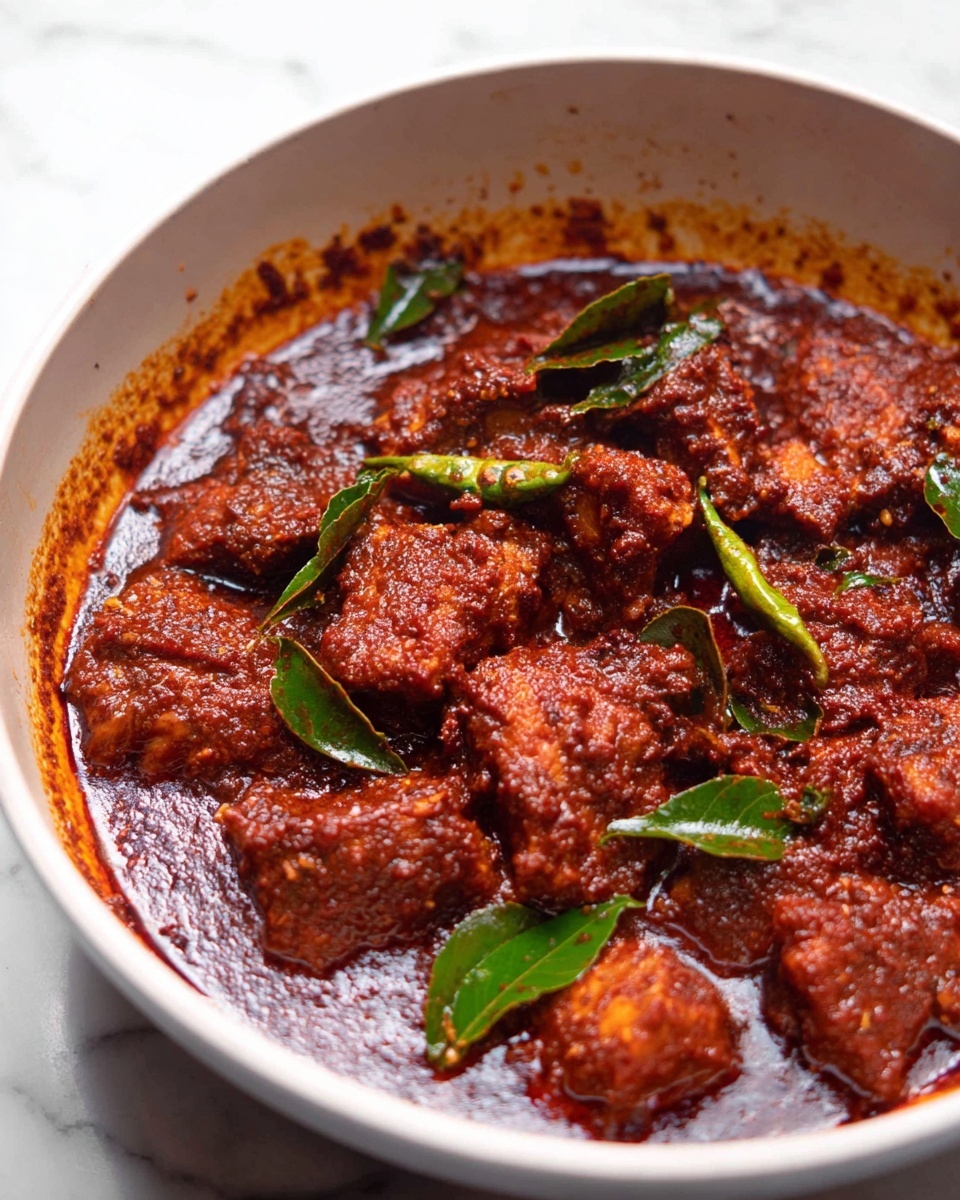
Whenever I serve this Chicken Ghee Roast Recipe, I love pairing it with simple steamed rice or traditional South Indian flatbreads like neer dosa or ghee rice. The richness and spice of the roast balance beautifully with these mild sides, letting the star flavors shine without overpowering your palate.
For garnishing, fresh curry leaves are a must—they add a vibrant green pop and a lovely aroma right at the end. I sometimes dust a little freshly chopped coriander as well to brighten the plate visually and flavor-wise. Presentation-wise, I like to arrange the chicken pieces neatly on a warm platter and drizzle any remaining ghee and masala from the pan over top for extra flair.
As for beverages, I find this dish pairs excellently with chilled lassi or a crisp white wine like Sauvignon Blanc if I want to indulge a little. For non-alcoholic options, a lightly spiced buttermilk or iced mint tea cools the palate nicely between bites. I usually serve the roast hot to preserve its luscious texture and inviting aroma, but it’s still enjoyable warm or at room temperature for a buffet or party setting.
Variations
I’ve experimented with this Chicken Ghee Roast Recipe in a few different ways over time. If you prefer milder heat, you can reduce the amount of Byadgi chillies or replace some of them with sweet paprika to maintain the color but soften the spice. For a more intense smoky flavor, try adding a small pinch of smoked paprika or charring the whole chicken pieces slightly before marinating.
If you’re catering to dietary preferences, the recipe easily adapts to gluten-free needs since it uses only natural spices and ghee—just ensure your tamarind paste has no additives containing gluten. For a vegan twist, you can substitute chicken with firm tofu or seitan and swap ghee for coconut oil or vegan butter, though the flavor will shift slightly away from the traditional.
Different cooking methods work as well—I sometimes slow-cook the marinated chicken in a covered ceramic pot to develop tender meat with deep flavors, though frying in batches is quickest and yields a nice crust. Grilling the marinated chicken is another fantastic option that adds charred notes and works beautifully if you’re hosting a barbecue.
Storage and Reheating
Storing Leftovers
If you have any leftovers, I recommend storing the Chicken Ghee Roast in an airtight container in the refrigerator. It stays fresh for up to 3 days, maintaining most of its flavor and richness. Using glass or BPA-free plastic containers with tight lids will help preserve its aroma and prevent moisture loss.
Freezing
While I love this dish fresh, it freezes quite well too. To freeze, cool the roast completely before transferring it to freezer-safe containers or heavy-duty zip-lock bags. It keeps well for up to 2 months. When freezing, try to portion it into meal-sized servings to make reheating easier and reduce waste.
Reheating
To reheat, gently warm the chicken on the stovetop over low heat to avoid drying it out. Adding a teaspoon or two of water or extra ghee while reheating helps maintain moisture and revives the glossy texture of the masala. Avoid microwaving directly if possible, as it can make the chicken unevenly heated and rubbery. Taking a little extra care during reheating ensures it tastes almost as good as fresh.
FAQs
Can I use other types of chillies if I don’t have Kashmiri or Byadgi?
Absolutely! While Kashmiri and Byadgi chillies give this dish its signature color and moderate heat, you can substitute them with milder red chillies or paprika for color. Just adjust the quantity depending on your heat tolerance as some chillies are spicier than others.
Is it necessary to marinate the chicken overnight?
Marinating overnight is ideal as it allows the spices to penetrate fully, resulting in richer flavor and tender meat. However, if you’re short on time, a minimum of 2 hours will still yield a tasty result, just a bit less intense.
Can I make this recipe without ghee?
Ghee adds a distinctive nutty richness that defines this roast, but if you don’t have it, clarified butter or a high-quality oil like coconut or mustard oil can work in a pinch. Each substitution will slightly alter the flavor, so I recommend going with ghee for the most authentic taste.
What side dishes pair best with Chicken Ghee Roast?
I often recommend simple steamed basmati rice, ghee rice, or Indian flatbreads like roti or neer dosa to balance the spicy, intense flavors. Cooling cucumber raita or a tangy salad are also great accompaniments to refresh the palate.
Can this recipe be made spicy or mild?
Definitely! You can control the spice level by adjusting the quantity of Byadgi or other hot chillies. For a milder roast, reduce the spicier chillies and focus on Kashmiri chillies for color without too much heat. Always taste the masala paste before marinating to balance according to your preference.
Conclusion
I can’t recommend this Chicken Ghee Roast Recipe enough if you crave a dish that’s bursting with bold, aromatic flavors and brings warmth to your table. It’s a wonderful blend of tradition and comfort that’s surprisingly easy to prepare and always a crowd-pleaser. Give it a try—I promise it will quickly become a favorite you’ll want to make again and again!
Print
Chicken Ghee Roast Recipe
- Prep Time: 2 hours 15 minutes
- Cook Time: 1 hour 20 minutes
- Total Time: 3 hours 35 minutes
- Yield: 4 servings
- Category: Main Course
- Method: Frying
- Cuisine: South Indian
Description
Chicken Ghee Roast is a rich, flavorful South Indian dish where succulent chicken pieces are marinated in a spicy, tangy masala paste made from dry-roasted Kashmiri and Byadgi chillies, aromatic spices, and tamarind, then fried in fragrant ghee. This recipe results in a deeply flavorful, reddish-maroon colored chicken dish that balances heat, tanginess, and buttery richness, perfect to serve hot with rice or Indian breads.
Ingredients
Spices & Masala
- 15 Kashmiri Chillies
- 12 Byadgi Red Chillies (for spicy version)
- 15 Pepper Corns
- 1 ½ Tablespoons Coriander Seeds
- 1 Teaspoon Cumin Seeds
- ½ Teaspoon Fenugreek Seeds
- 15-20 Garlic Cloves
- 1 Teaspoon Tamarind Paste (prepared by soaking tamarind in water)
Main Ingredients
- 1 Kg Chicken
- ½ Cup Ghee
- 1 Teaspoon Salt
- 2 Teaspoons Sugar
- 2 Sprigs Curry Leaves
Instructions
- Dry roast spices: Heat a frying pan on medium flame and add peppercorns, coriander seeds, cumin seeds, and fenugreek seeds. Dry roast them for 2-3 minutes until their raw smell disappears. Transfer these spices to a plate. Then add Kashmiri and Byadgi dry red chillies to the same pan and dry roast for 2-3 minutes, stirring continuously to avoid burning. Transfer chillies to a plate and let cool. Add garlic cloves to the pan and roast for 2-3 minutes.
- Prepare the masala paste: Once all roasted ingredients have cooled, transfer them to the chutney jar of a mixer grinder. Add tamarind paste and blend to a smooth, thick paste, adding 3-4 teaspoons of water little by little, as needed. Set the masala paste aside.
- Marinate the chicken: In a bowl, add 2-3 tablespoons of the prepared masala paste to the chicken pieces and mix thoroughly to coat. Cover and marinate for at least 2 hours; for best results, refrigerate overnight.
- Bring chicken to room temperature: Remove the marinated chicken from the refrigerator about 30 minutes before cooking to bring it to room temperature.
- Fry the chicken: Heat half the ghee in a large pan or kadhai. Add chicken pieces in batches without overcrowding and fry for 3-4 minutes on each side until lightly cooked. Use tongs to transfer the fried chicken pieces to a plate and set aside.
- Cook masala paste: In the same pan, add the remaining ghee and the leftover masala paste. Fry the masala on medium flame for 6-8 minutes until all water evaporates and the masala thickens, turning a deep reddish-maroon color with ghee separating and rising to the top.
- Combine chicken with masala: Add the fried chicken pieces back to the pan along with salt and sugar. Mix well to coat the chicken completely with the masala. Cover the pan and cook for an additional 5 minutes to allow flavors to blend.
- Finish and serve: Garnish the dish by sprinkling fresh curry leaves on top. Serve hot with steamed rice or Indian flatbreads.
Notes
- Use Byadgi chillies for a spicier version, or reduce quantity to lessen heat.
- Do not overcrowd the pan while frying chicken to ensure even cooking and browning.
- Marinating chicken overnight enhances the flavor penetration and tenderness.
- Monitor the roasting closely to avoid burning the spices, which would add bitterness.
- Ghee adds authentic richness and flavor; substitute cautiously if needed.
- Serving suggestion: best enjoyed with plain steamed rice or soft Indian breads like roti or naan.


Leave a Reply