
I absolutely adore baking, and I have to tell you about my all-time favorite treat: this Lemon Blueberry Sourdough Bread Recipe. It’s a beautiful harmony of tangy sourdough tang, sunshine-bright lemon zest, and bursts of fresh blueberries that create a loaf bursting with flavor and character. When I make this bread, I’m always excited by the aroma that fills my kitchen and the delicious, slightly sweet and tart slices that pair perfectly with morning coffee or a relaxed afternoon tea. This recipe strikes the perfect balance between rustic sourdough tang and fruity freshness, making it feel special yet comforting every single time.
Why You'll Love This Lemon Blueberry Sourdough Bread Recipe
This bread is something I return to again and again because of its unique flavor profile. The zing from the lemon zest combined with the juicy sweetness of blueberries, all wrapped up in a crusty, chewy sourdough bread, is an absolute winner in my book. It’s the kind of loaf that surprises your palate with every bite, so refreshing yet deeply satisfying because of that lovely sourdough backbone.
One of the things I love most about this recipe is how approachable it is. Yes, sourdough takes patience, but the process feels so rewarding and meditative. The stretch and folds, the slow bulk fermentation, and the cold retard in the fridge are all part of what builds incredible flavor and texture, and I love watching the dough transform throughout each stage. Plus, the addition of lemon zest and blueberries adds such vibrant complexity without making the method any more complicated.
This Lemon Blueberry Sourdough Bread Recipe is perfect for so many occasions in my life—from weekend brunches with friends to holiday gatherings or just a special treat for myself during a quiet evening. It stands out because it’s not your usual loaf; it feels like a little celebration in every bite. Whenever I serve it, there’s invariably a moment of happy silence as people savor that perfect combination of citrus, fruit, and sourdough goodness.
Ingredients You'll Need
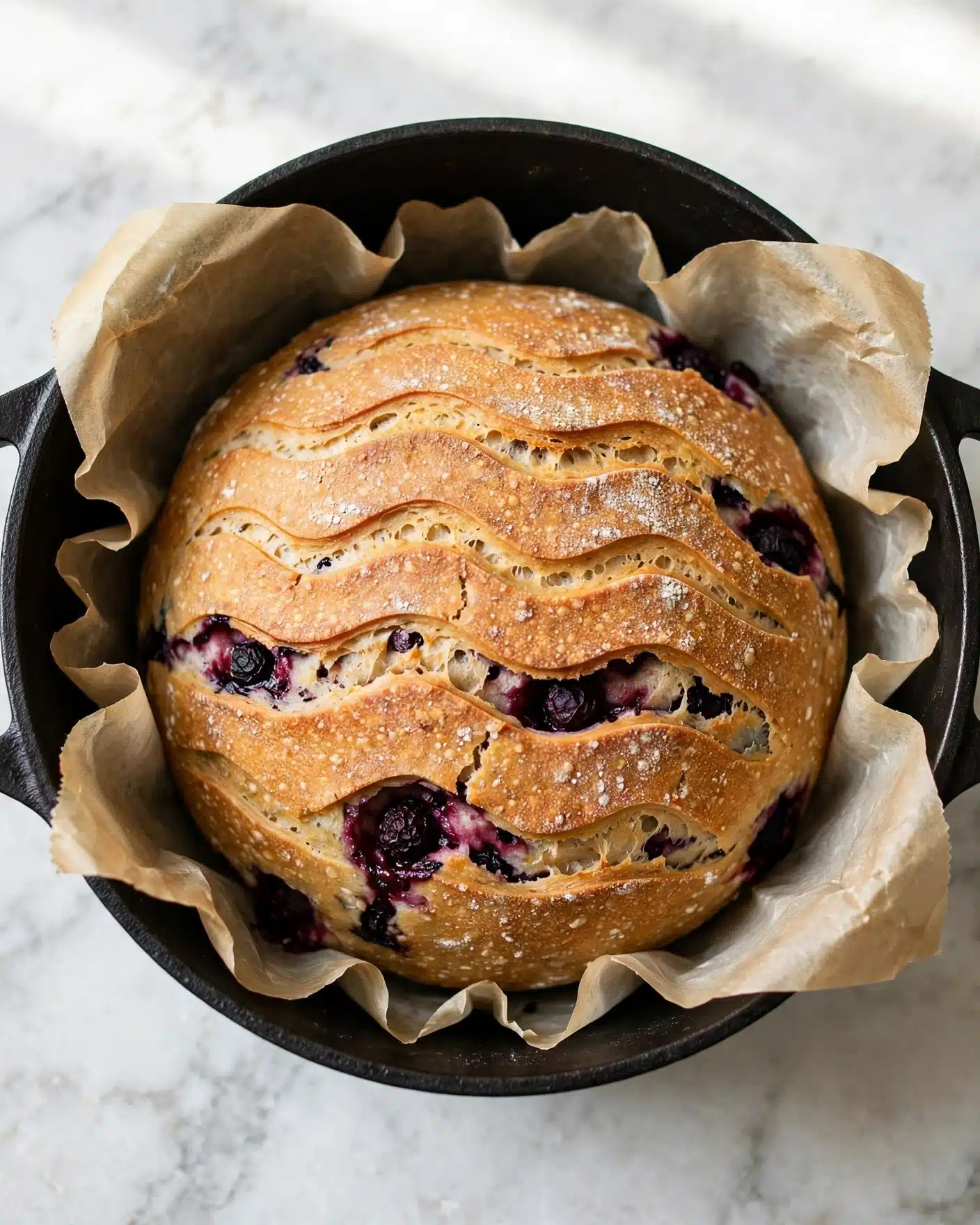
The beauty of this bread is in the simplicity and quality of the ingredients. Each one plays an essential role in building that iconic sourdough texture and bright, fruity flavor that makes this recipe so unforgettable.
TIP : You'll find the full list of ingredients and measurements in the recipe card below
- Water: Using warm water helps activate the starter and form the perfect dough consistency.
- Active sourdough starter: This is the heart of the bread, responsible for the rise and tangy flavor.
- Bread flour: Gives the dough the needed strength and structure for a chewy crumb and crispy crust.
- Sea salt: Enhances all the flavors and balances the sweetness of the berries and sugar.
- Lemon zest: Adds bright citrus notes that lift the overall flavor beautifully.
- Granulated sugar: Mixed with lemon zest, it brings a delicate sweetness and texture contrast.
- Fresh blueberries: Burst of juicy sweetness that pairs perfectly with the sourdough tang.
- Brown sugar: Sprinkled in to deepen the sweetness and add a subtle caramel hint.
Directions
Step 1: In a large mixing bowl, combine 375 grams of warm water with 100 grams of active sourdough starter until mostly mixed. I love using a Danish dough whisk here, but a spoon or your hands work fine too.
Step 2: Add 500 grams of bread flour and 14 grams of sea salt to the bowl. Stir everything together until it forms a shaggy dough, then knead gently by hand until all the flour is incorporated and you have a cohesive dough.
Step 3: Cover your bowl and let the dough rest for 45 to 60 minutes to begin developing gluten.
Step 4: Time for the first stretch and fold. Wet your hands, grab a section of dough, gently stretch it until you have a flap, fold it over itself, then rotate the bowl 90 degrees and repeat around 8 times. This helps strengthen the dough since it’s higher hydration.
Step 5: Cover again and rest for 30 minutes while you zest a large lemon and toss the zest with 30 grams of granulated sugar. Set this aside for later use.
Step 6: Uncover the dough, dimple its surface with wet fingers, and sprinkle half the lemon zest and sugar mixture evenly on top. Perform a complete second set of stretch and folds, cover, and rest for 45 minutes.
Step 7: Repeat the stretch and folds a third time with the remaining lemon zest and sugar. Cover and let it rest for 60 minutes.
Step 8: Turn the dough out onto a lightly floured surface. If it feels sticky or the lemon zest pieces begin to pull apart, dust with more flour and knead gently to bring it together.
Step 9: Press and carefully stretch the dough into a large rectangle. If the dough resists, give it a 5 to 10-minute rest and then continue stretching.
Step 10: Evenly distribute 175 grams of fresh blueberries and sprinkle 25 grams of packed brown sugar over the dough, reserving about one-quarter of each for later.
Step 11: Fold the bottom third of the rectangle up, sprinkle reserved blueberries and brown sugar onto the folded piece, then fold the top third over the bottom and roll the dough into a log shape. Return it to the bowl and cover.
Step 12: Let the dough bulk ferment in a warm spot for 2 hours. I like to use a reusable shower cap to cover my dough bowl—funky, effective, and eco-friendly.
Step 13: Transfer the dough to a work surface and gently press it into a rectangle again, being careful with the berries.
Step 14: Fold it like a letter once more, rotate 90 degrees, and roll into a log. Use a dough scraper to pick it up, flip it seam side down, press flat, and roll again. Pinch the ends tight if making a batard or tuck them nicely if you prefer a boule shape.
Step 15: Dust the loaf with rice flour and place it seam side up into a banneton basket.
Step 16: Let it prove in a warm place for 2 hours, then cover and cold retard in the fridge for up to 3 days to deepen flavor—though you can bake it right after proving if you're eager!
Step 17: Preheat your oven to 450°F with your Dutch oven or baking vessel inside to get it nice and hot.
Step 18: When ready, invert the banneton onto a parchment-lined sheet. Score the dough with a sharp blade or lame—a deep curved slash looks great, but get creative!
Step 19: Carefully transfer the dough with the parchment paper sling into the preheated Dutch oven. Cover and bake for 30 minutes.
Step 20: Remove the lid and bake uncovered for another 10 to 15 minutes until the crust is richly browned and the loaf is fully cooked (internal temperature of 205–210°F).
Step 21: Take the bread out of the Dutch oven and cool completely on a wire rack for at least 2 hours before slicing. I promise the crumb will thank you for the patience!
Servings and Timing
This Lemon Blueberry Sourdough Bread Recipe makes about 10 generous servings, perfect for sharing with family or friends. The total time commitment spans approximately 19 hours, but most of this is inactive time during fermentation and proving, so it fits nicely into a relaxed baking schedule. The hands-on prep is roughly 1 hour scattered throughout with mixing, folding, and shaping. Baking takes 40 to 45 minutes, and don’t forget the crucial 2-hour cooling period before slicing to achieve the best texture and flavor.
How to Serve This Lemon Blueberry Sourdough Bread Recipe

When I serve this bread, I love slicing it thickly and toasting it just until the edges turn crisp while the inside stays tender and flavorful. It pairs beautifully with a smear of unsalted butter or even a bit of honey for extra sweetness that complements the lemon and blueberry notes.
For a more indulgent treat, I sometimes top slices with cream cheese and a sprinkle of lemon zest or fresh blueberries for an elegant look that wows guests. Garnishing with a few lemon twists or fresh blueberry clusters around the serving platter adds a lovely, fresh touch that makes the presentation feel thoughtful and inviting.
I have found this loaf works wonderfully with both non-alcoholic and adult beverages. A freshly brewed cup of Earl Grey tea or a fruity iced tea really enhances the bread’s bright citrus and berry flavors. On special occasions, I like serving it alongside a chilled glass of sparkling rosé or a citrus-forward cocktail for a refreshing pairing. It’s perfect for brunches, afternoon teas, or even as a unique addition to holiday spreads, enjoyed at room temperature or lightly warmed to bring out the best of its aromatic qualities.
Variations
I love experimenting with variations of this Lemon Blueberry Sourdough Bread Recipe to suit different tastes or dietary needs. For example, you can swap some of the bread flour for whole wheat or spelt flour to add a nuttier depth and boost the nutritional profile while keeping the crumb moist and chewy. Just adjust the hydration slightly if using whole grains.
If you’re looking to make it vegan or reduce sugar, you can omit the brown and granulated sugars or replace them with natural sweeteners like maple syrup or agave, recalling that the fermentation process will balance sweetness beautifully. For a completely gluten-free take, though challenging with sourdough methods, you might explore sourdough starters made from gluten-free grains like buckwheat or rice flours, with adjusted hydration and kneading techniques to ensure structure.
Flavor-wise, I’ve also tried adding a teaspoon of vanilla extract or substituting fresh blueberries for frozen or even other berries like raspberries or blackberries, which bring their own delightful twists. And while I prefer baking in a Dutch oven for that artisan crust, some days I use a cloche or even bake freeform on a pizza stone with a steam tray for a crispier finish. It’s fun to mix things up and find what suits your kitchen and taste buds best.
Storage and Reheating
Storing Leftovers
To store leftover lemon blueberry sourdough bread, I wrap the loaf tightly in a clean linen towel or place it in a bread box to maintain its crust without trapping too much moisture. Alternatively, storing in a paper bag inside a loosely closed plastic bag can work well for up to 3 days. I avoid airtight containers unless freezing, as they can make the crust soggy.
Freezing
This bread freezes beautifully, which is great if you want to bake a large batch and save some for later. I slice it before freezing and arrange slices in a single layer on a baking sheet to flash freeze, then transfer them into a freezer-safe resealable bag or container. This way you can grab a slice or two without thawing the whole loaf. It keeps well in the freezer for up to 3 months without losing texture or flavor.
Reheating
For reheating, I prefer to toast the slices for a few minutes until the crust crispens and the crumb warms through. If you have a whole loaf, you can reheat it in a 350°F oven wrapped loosely in foil for about 10 minutes. Avoid microwaving as it tends to make sourdough chewy and gummy. Restoring the bread this way keeps the lemon and blueberry flavors vibrant and the texture delightful.
FAQs
Can I use frozen blueberries for this Lemon Blueberry Sourdough Bread Recipe?
Yes, you can use frozen blueberries if fresh ones aren’t available, but I recommend thawing and draining them well to avoid adding excess moisture to the dough. Gently pat them dry with paper towels to keep the dough from becoming too wet, which could affect the texture.
How active should my sourdough starter be for this recipe?
Your starter should be bubbly, risen, and at its peak activity when you use it—usually 4 to 6 hours after a feed, depending on temperature. This ensures a good rise and tangy flavor in your bread without overly long fermentation times.
Can I substitute lemon zest with lemon extract or juice?
I advise sticking with lemon zest because it provides aromatic oils that really brighten the bread’s flavor. Lemon extract or juice would add moisture and acidity but lack the fresh citrus oils and might alter the dough’s hydration balance.
What kind of flour is best for this bread?
Bread flour is ideal because its higher protein content develops strong gluten, crucial for that chewy sourdough texture. You can experiment by blending in some whole wheat or spelt, but I wouldn’t recommend replacing all the bread flour, especially if you’re new to sourdough baking.
How do I know when the bread is fully baked?
The best way to check is using an instant-read thermometer; the loaf should reach an internal temperature of 205 to 210°F. Additionally, it should have a deep, golden-brown crust and sound hollow when tapped on the bottom.
Conclusion
I truly hope you feel inspired to try this Lemon Blueberry Sourdough Bread Recipe because it’s one of those special, mood-lifting bakes that never disappoints. From the tangy sourdough base to the vibrant lemon and juicy blueberries, it’s a combination I find endlessly delightful and perfect for sharing with loved ones. Baking this bread is such a rewarding journey, and slicing into that perfectly textured crumb is honestly one of my favorite moments. Give it a go—you might just find your new favorite loaf too!
Print
Lemon Blueberry Sourdough Bread Recipe
- Prep Time: 45 minutes active + initial mixing
- Cook Time: 45 minutes baking
- Total Time: 19 hours including fermentation and cold retard
- Yield: 10 servings (1 medium sourdough loaf)
- Category: Bread
- Method: Baking
- Cuisine: American Artisan
- Diet: Vegetarian
Description
This Lemon Blueberry Sourdough Bread is a beautifully tangy and sweet artisan loaf featuring fresh blueberries and lemon zest folded into a tangy sourdough base. Perfect for breakfast or a snack, it combines the rustic texture of traditional sourdough bread with bursts of juicy blueberries and bright citrus flavors. The dough undergoes a gentle stretch and fold technique and cold fermentation for enhanced flavor and texture, then is baked in a Dutch oven to achieve a golden, crisp crust.
Ingredients
Wet Ingredients
- 375 g warm water
- 100 g active sourdough starter
Dry Ingredients
- 500 g bread flour
- 14 g sea salt
- Zest of 1 lemon
- 30 g granulated sugar (2 tablespoons)
- 25 g brown sugar (2 tablespoons, packed)
Add-ins
- 175 g fresh blueberries
Instructions
- Make the Dough: In a large mixing bowl, combine 375g warm water with 100g active sourdough starter until mostly combined using a Danish dough whisk or a spoon. Add 500g bread flour and 14g sea salt, mixing until a shaggy dough forms, then knead with your hands until incorporated. Cover and set aside for 45-60 minutes.
- First Stretch and Fold: Uncover the bowl and with damp hands, gently pull and fold the dough over itself about 8 times, rotating the bowl after each fold. This helps develop gluten and improve dough strength. Cover and rest for 30 minutes. Meanwhile, zest a lemon and toss zest with 30g granulated sugar; set aside.
- Second Stretch and Fold with Lemon Zest: Dimple the dough by poking with damp fingers, sprinkle half the sugar-coated lemon zest evenly over the surface, then perform a full set of stretch and folds. Cover and rest for 45 minutes.
- Third Stretch and Fold with Lemon Zest: Repeat the stretch and fold process using the remaining sugar-coated lemon zest. Cover and rest for 60 minutes.
- Lamination: Turn the dough onto a lightly floured work surface. If dough pulls apart near the lemon zest, dust both dough and surface and knead gently to bring it together. Stretch the dough into a large rectangle, resting 5-10 minutes if needed to relax the gluten.
- Add Blueberries and Brown Sugar: Evenly distribute 175g fresh blueberries and sprinkle 25g brown sugar (reserve about ¼ of each to be added later) over the dough. Fold up the bottom third like a letter, sprinkle remaining blueberries and sugar on the fold, fold top third over, then roll dough into a log shape. Return dough to bowl and cover.
- Bulk Ferment: Set dough aside in a warm place, covered, for 2 hours to ferment and rise.
- Shape the Dough: Transfer dough to a work surface and gently spread into a rectangle, careful not to burst blueberries. Fold bottom third up and top third down, rotate 90 degrees and roll into a log. Flip with a scraper, press flat gently, roll again and shape into desired form (batard or boule). Pinch or tuck ends accordingly. Dust with rice flour and place seam side up into a banneton.
- Proof and Cold Retard: Proof the dough in the banneton in a warm place for 2 hours, then cover and refrigerate to cold retard up to 3 days to develop flavor.
- Preheat Oven and Bake: Place Dutch oven or baking vessel in oven and preheat to 450°F (232°C). When ready, invert banneton onto parchment paper. Score the dough with a lame or sharp blade. Carefully transfer dough, using parchment as a sling, into preheated Dutch oven. Cover and bake at 450°F for 30 minutes, then uncover and bake for an additional 10-15 minutes until crust is deeply browned and internal temperature reaches 205-210°F.
- Cool: Remove bread from Dutch oven and transfer to wire rack. Cool completely for at least 2 hours before slicing to ensure optimal crumb texture.
Notes
- Using a Danish dough whisk or hands helps incorporate ingredients effectively in high hydration dough.
- Stretch and fold technique improves gluten development without intensive kneading.
- The sugar-coated lemon zest adds a balanced brightness and sweetness throughout the dough.
- Resting or cold fermentation enhances the bread’s flavor and texture complexity.
- Handle blueberries gently to prevent bursting and color the dough beautifully.
- Baking in a Dutch oven traps steam which produces a better crust texture.
- Allowing bread to cool thoroughly before slicing prevents gummy crumb.
- The recipe yields a rustic loaf suitable for breakfast, toasts, or snacks.



Leave a Reply